


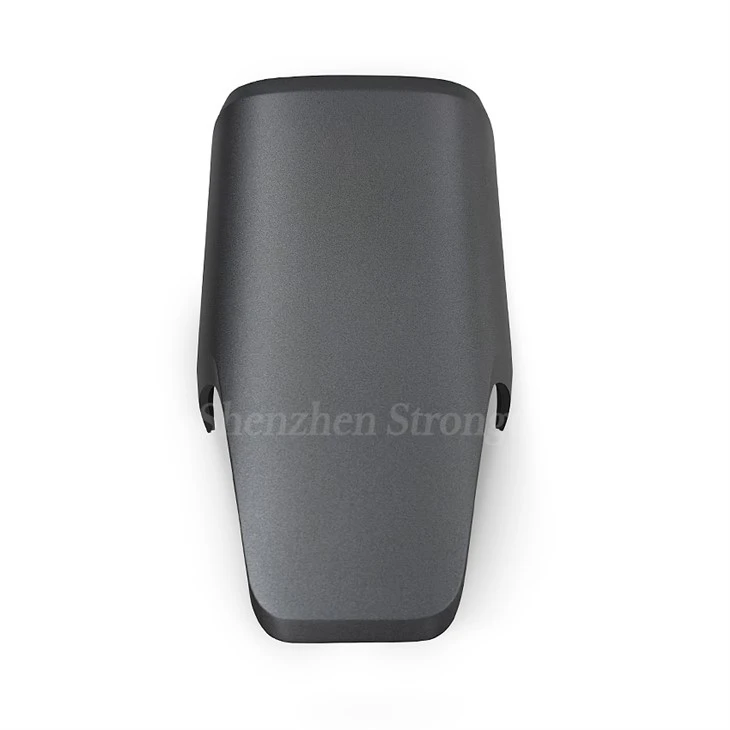
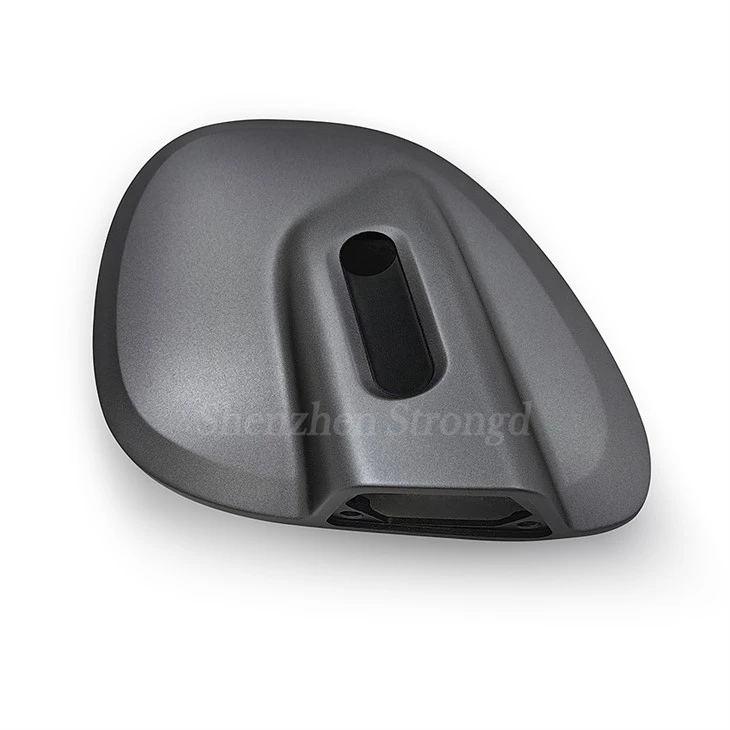
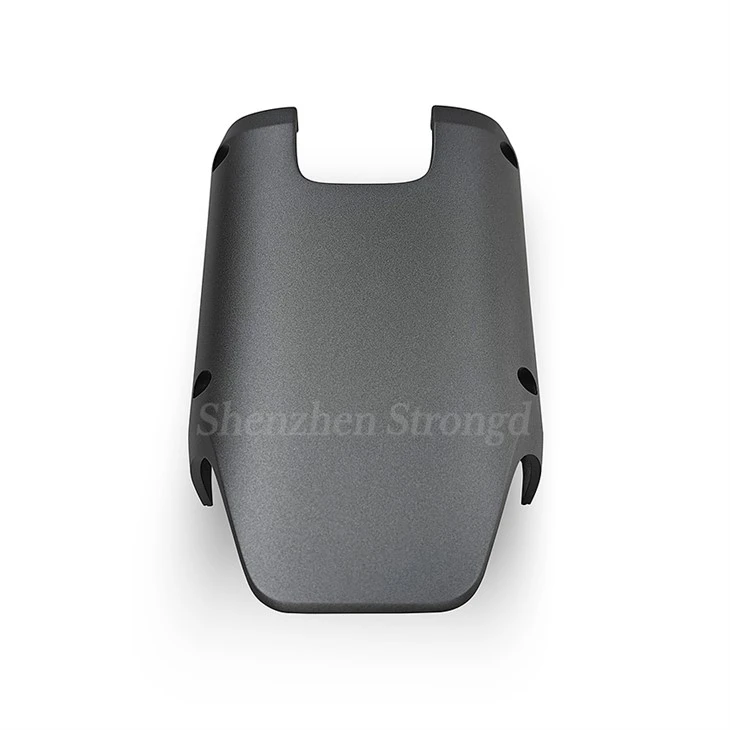
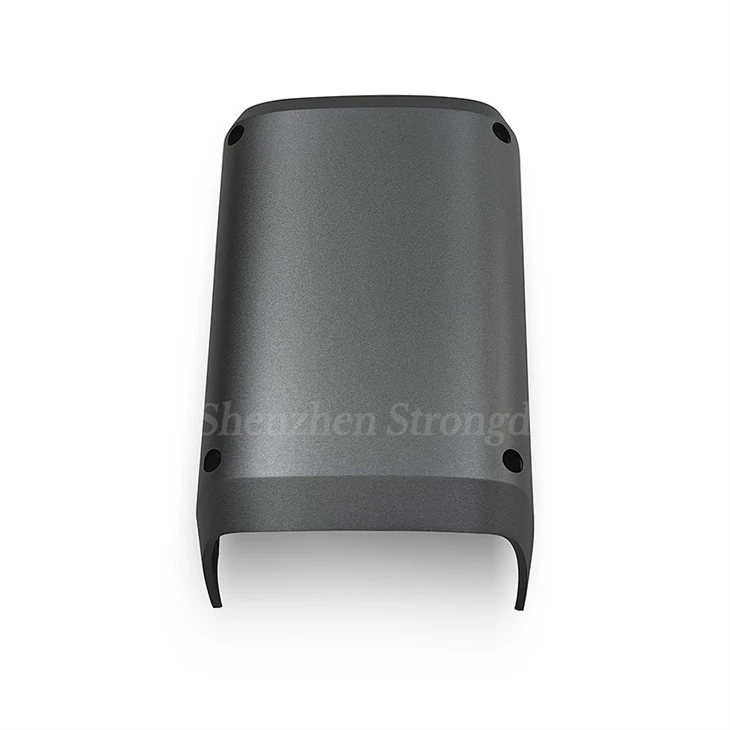

Product Material
The material of the robotic plastic shell must meet a variety of requirements, for example the strength, weather resistance, flame retardancy, and aesthetics, therefore selection of material is critical. Material that is commenly used include the following:
ABS
ABS is a thermoplastic that provides great overall performance, impact resistance, rigidity, and formability. It is simple to produce, reasonably priced, and commonly utilized in robot shells. ABS offers good surface treatment properties, such as painting and electroplating.
PC
PC has the advantage of excellent strength, impact resistance, transparency, and high temperature resistance. It is commonly utilized in robot shells with high appearance and heat resistance requirements, particularly for high-end equipment such as service robots and medical robots.


ABS+PC
Combining ABS's strong processing performance with PC's high strength, ABS+PC material offers exceptional mechanical qualities and dimensional stability, making it a popular high-performance material in the field of robot shells.
PA (nylon) and reinforced nylon (PA66+GF)
Nylon is very resistant to wear, has great mechanical qualities, and is chemically stable. The impact resistance and thermal deformation temperature are significantly increased following the addition of glass fiber (GF), making them ideal for shell components with complex shapes or exceptionally high strength requirements.
Polypropylene (PP) is a cost-effective and chemically resistant material. It is appropriate for robot shells with strong cost-control requirements and relatively stable working conditions.
The selection of different materials will be dependent on a variety of considerations, including the product's usage environment, appearance requirements, and the budget.
Processing Technology
Robot plastic shells are usually large in size and complex in shape, which requires high processing technology. The main molding and processing technologies include:
Injection Molding
Injection molding is the most common and mature plastic shell processing method. It is suitable for medium and large batch production, and can mold high-precision and complex structure shells in one go. Modern injection molding equipment combined with automated production lines can effectively improve efficiency and reduce costs. Strongd is equipped with 61 injection molding machines suitable for parts of different sizes and specifications, fully supporting the production of your robot plastic shells.
CNC Precision Machining
For some customized shell or initial prototype manufacturing, CNC machining can provide high-precision dimensional control and complex structure cutting. It is suitable for a variety of plastic materials, especially in the small-batch production stage before the mold is completed. Strongd is equipped with 3 Axis, 4 Axis, 5 Axis CNC machines, a total of 71 machines, to help realize the processing of various structures of robot plastic shells.
Vacuum Casting
Vacuum casting is suitable for situations with low cost budgets and short cycle requirements, but the accuracy level it achieves is limited. It is suitable for the shell requirements of some light robots or display models.
3D Printing (additive manufacturing)
Suitable for rapid prototyping and personalized customization. With the maturity of 3D printing technology, it has gradually become a powerful supplement in the manufacture of small batches of robot shells, especially suitable for design verification, structural testing and other occasions.
Surface Treatment
In order to improve the aesthetics, durability and functionality of the robot plastic shells, the surface treatment process is very important. The common surface treatment choices are:
Painting
By spraying color or metallic paint, a variety of appearance effects (such as matte, high gloss, metallic texture, etc.) can be achieved. At the same time, it can also enhance the wear resistance and UV resistance of the shell.
01
UV Coating
Add a layer of UV coating to the painted surface to improve scratch resistance, UV protection, and extend the service life of the shell. It is especially suitable for robot equipment exposed to sunlight or outdoor environments for a long time.
02
Silk Screen And Pad Printing
Used to print LOGO, model, operation instructions and other graphic information on the shell. Such treatment needs to be wear-resistant, clear, and long-lasting.
03
Laser Engraving
For parts that require permanent identification, such as serial numbers, QR codes and other information, laser engraving will not disappear over time or friction, and is suitable for product traceability and after-sales service management.
04
Electroplating And Metallization Treatment
In pursuit of high-end metal texture, the shell can be electroplated. This process can improve aesthetics and has a certain shielding effect on electromagnetic interference (EMI).
05
Robotic plastic shells are widely used in multiple industries, including: Industrial robots,Service robots,Medical robots,Educational and entertainment robots,Agricultural and outdoor robots and so on.
Hot Tags: plastic robot shell, China plastic robot shell manufacturers, suppliers, factory, Robotic Parts Manufacturing, robot accessories, CNC Robot Arms, Plastic Robot Body Parts, Plastic Robot Shell, CNC Milling Plastic Robotic Model


