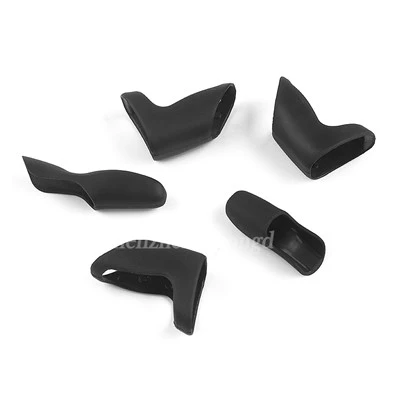
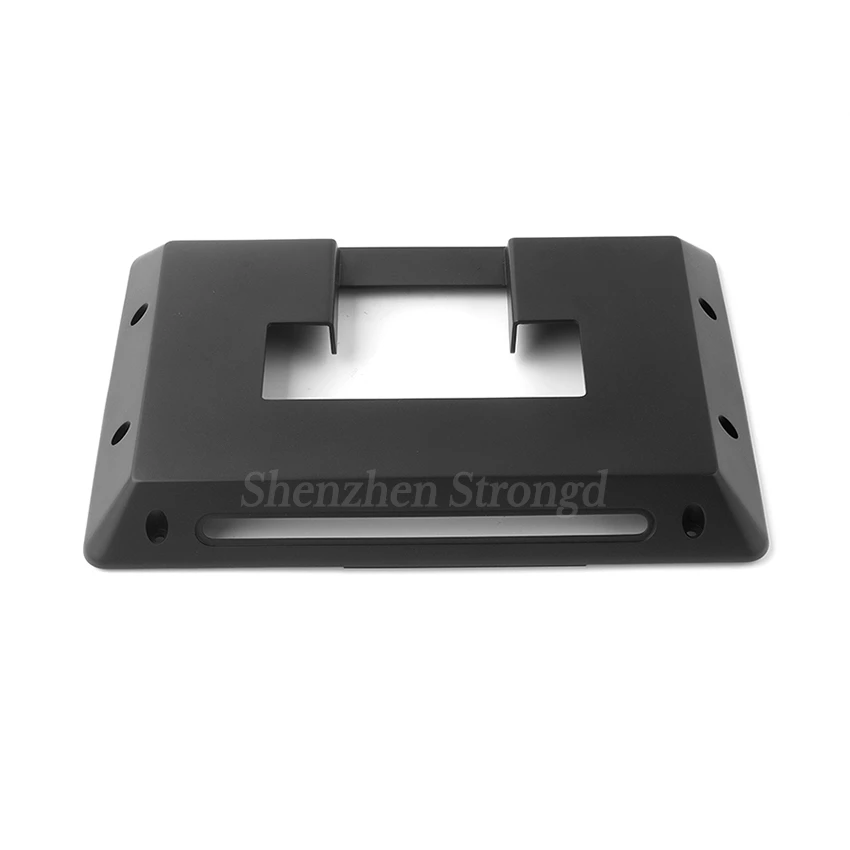


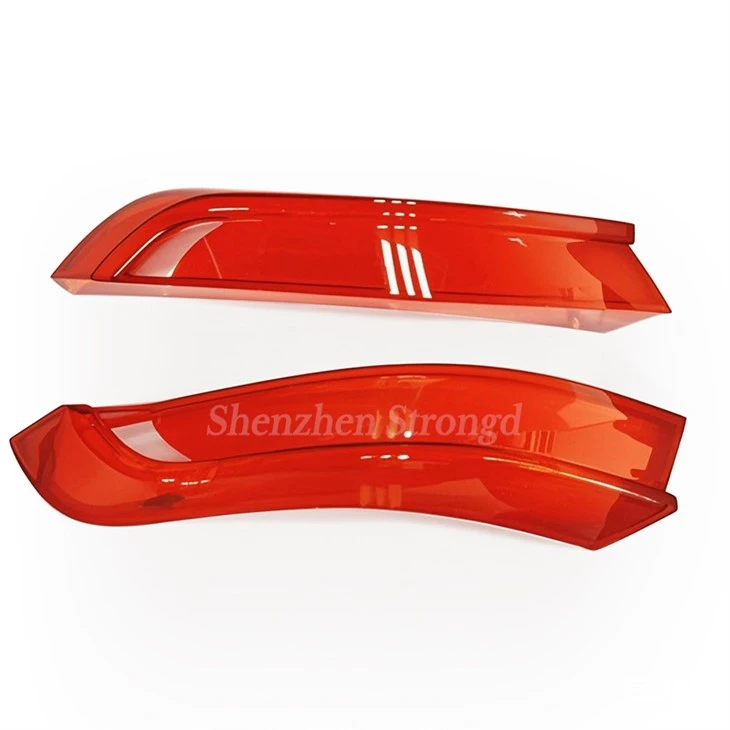


Vacuum Casting ABS Shell refers to ABS Shell parts produced by vacuum casting. Vacuum casting is a rapid mold manufacturing technology, which is often used in small-batch production of plastic parts, verification of prototype structure, production of functional samples, etc. The principle is to first use a prototype (usually made by 3D printing or CNC machining) to make a master mold, and then use liquid silicone for negative mold casting, which forms a silicone mold after curing, and then use the vacuum casting process to inject polyurethane, ABS, transparent or high-strength materials into the mold to replicate multiple high-precision parts, which is particularly suitable for structure verification, appearance confirmation, concept verification and market testing.
Compared with traditional injection molding, it has the characteristics of low investment, fast cycle and high quality, which brings a flexible and efficient product realization path for enterprises.
About Strongd, we have a professional mold technology team, a full-process management system and a rich selection of materials. We can provide customers with one-stop services from design evaluation, proofing testing to mass production, helping customers accelerate their product implementation.
Vacuum casting achieves an optimal balance among precision, flexibility, efficiency, and cost-effectiveness, offering the following distinct benefits:
Advantages
Vacuum Casting ABS Shell material can balance strength and toughness and is suitable for most structural parts.
No Metal Tooling Required – Low Cost
Eliminates expensive steel/aluminum molds, reducing tooling costs by 70-90% compared to injection molding--Ideal for prototype validation and pre-production testing phases
01
Fast Turnaround – Perfect for Low-Volume
①Typical lead time: 7-15 business days from master pattern to final parts
②Accelerates product development cycles
02
High Replication Accuracy
Silicone material has excellent fluidity and fine restoration ability, and can completely restore the texture and details of the prototype.
03
Excellent Surface Quality
Supports secondary finishing:
①Painting (Pantone color matching)
②Electroplating (chrome, nickel)
③Pad printing (logos/legends)
04
Material & Color Versatility
①Materials with different properties such as transparent, high toughness, heat-resistant, flame-retardant, etc.
②Color adjustment to achieve diversified product styles according to customers' needs
05
Production Process
1.Prepare the prototype (3D printed/CNC machined)
2.Secure the prototype in the frame, then pour prepared silicone solution to fully encapsulate it
3.After solidification, cut open the mold, remove the prototype, then reseal the mold
4.Inject prepared material (e.g. ABS) into the mold
5.Vacuum degassing to remove bubbles
6.Solidify in oven for 2 hours
7.Open the mold and remove the finished part
8.Final post-processing: Deburring /other surface treatment
Information for Quotation
1.3D Model Files: preferred formats will be .STEP / .IGS / .STL
2.Part Quantity
Specify the required number of replicated parts to determine:
①Suitable mold lifespan
②Optimal number of casting cycles
3.Material & Performance Requirements
Special properties needed:
①High transparency
②Flame retardancy
③Flexibility (e.g., Shore hardness)
④Custom coloring
4.Surface Finish & Color Treatment
Specify desired appearance:
①Painting (Pantone/RAL color matching)
②Clear/transparent finish
③Metallic effects (e.g., vacuum plating)
5.Delivery Timeline
Required lead time to facilitate production scheduling
6.Operating Environment Details
Critical conditions: Temperature range and mechanical load requirements
FAQ
Hot Tags: vacuum casting abs shell, China vacuum casting abs shell manufacturers, suppliers, factory, Silicone Mold Plastic Casting, Silicone Mould Parts, Vacuum Casting ABS Shell, Vacuum Casting Components, Vacuum Casting Plastic Electronic Shell, vacuum casting plastic parts