
Product Advantages and Features

-
Structural height freedom
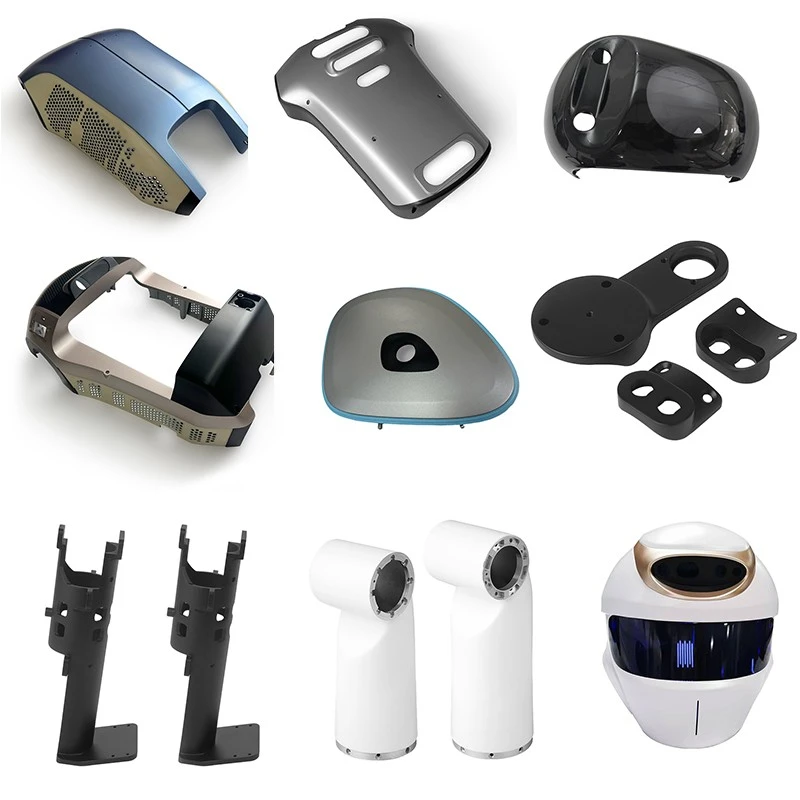
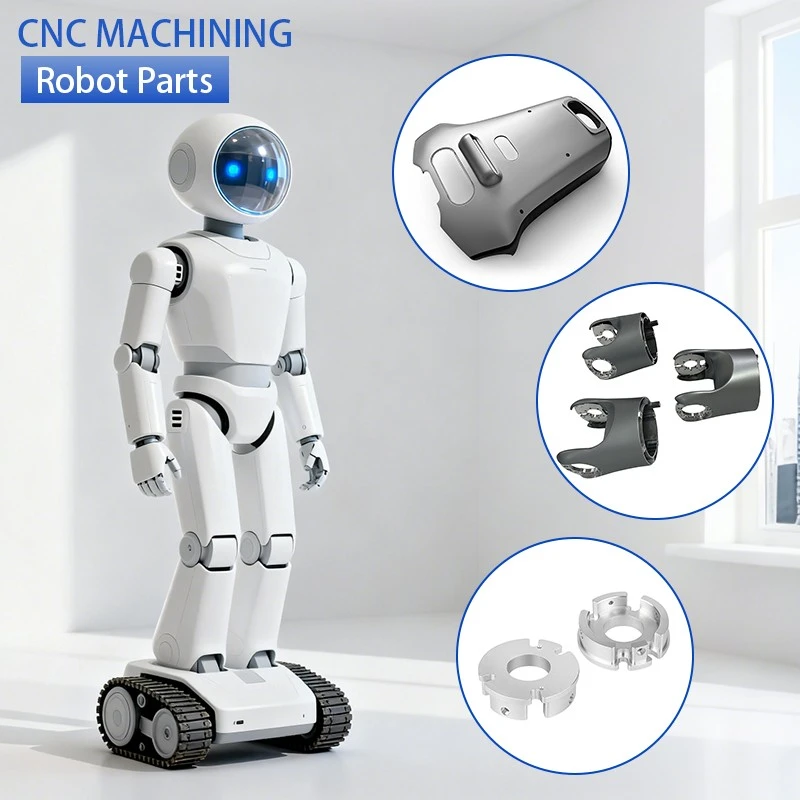
3D printing technology can readily achieve complex topological structures, internally hollow configurations, and lightweight cellular structures – features that are virtually impossible or prohibitively costly to produce using conventional turning or milling methods. It holds a natural advantage for manufacturing intricate components commonly found in the robotics industry, such as joint housings, sensor mounts, chassis assemblies, and robotic arm connectors.
-
High precision & rapid delivery
Robotics project development cycles are tight. We offer:
- Accuracy up to ±0.05–0.1mm (depending on material and process)
- Same-day quotations, with delivery as fast as 3-5 days
- Capacity for both batch and small-batch production
-
Material diversity
A variety of materials may be selected according to the functional requirements of different robots, including:
- PA12, PA+GF: High strength, wear resistance, and excellent toughness, highly suitable for load-bearing structural components.
- High-precision resin: Suitable for appearance parts, validation components, and wearable accessories.
- Aluminium alloy 3D printing (SLM): Applicable for lightweight metal structural components.
- Stainless steel, titanium alloy: Used for robot parts subjected to high loads or harsh environments.
-
Cost-effective
Compared to mould-based injection moulding, 3D printing robot parts eliminates tooling costs, making it more cost-effective for initial prototypes, test components, and pre-research projects.
To ensure the stability and repeatability of robot parts, we employ standardised production management processes:

01
Process selection
Select the appropriate process based on the intended use of different robot components:
- Cosmetic parts: SLA for high precision
- Structural parts: SLS nylon for high strength
- Metal parts: SLM (Selective Laser Melting)
02
3D Printing Production
We are equipped with multiple industrial-grade 3D printing devices to ensure dimensional accuracy and surface finish.
03
Post-processing services
- CNC finishing
- Sandblasting
- Dyeing
- Metal anodising
- Polishing
- Surface painting
- Laser engraving
For robotic transmission components, additional services include press-fitting nuts and screw hole assembly inspection.
04
Inspection and Quality Control
Each robot part undergoes:
- Visual inspection
- Dimensional inspection (using calipers or 3D scanning)
- Assembly testing
- Random sampling of material properties
- A quality inspection report is provided (upon request).
Our Certificate

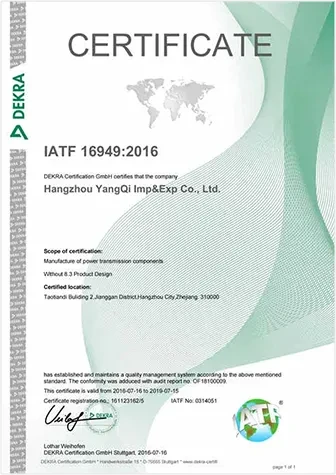
IATF 16949:2016
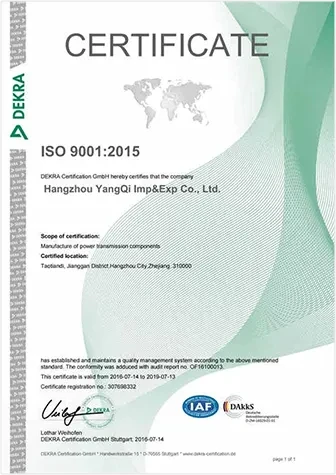
ISO 9001:2015
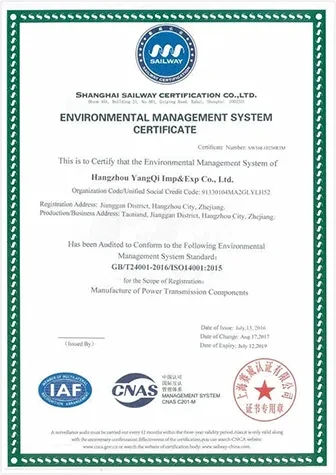
Environmental Management System Certificate
FAQ
Q1: What level of precision can be achieved with 3D printing robot parts?
A: Typically ±0.1mm, subject to material and design. For higher precision, CNC finishing can be incorporated.
Q2: What is the minimum order quantity?
A: The minimum order quantity is one piece.
Q3: Which 3D file formats do you support?
A: We accept all mainstream formats including STEP, IGS, X_T, STL, and PRT.
Q4: Can you produce functional structural components?
A: Yes. Nylon SLS parts offer high strength and can be installed within robot bodies for long-term use.
Hot Tags: 3d printing robot parts, China 3d printing robot parts manufacturers, suppliers, factory