

1, Transmittance: Both are excellent
The transmittance of acrylic can reach over 92%, and its transparency is close to that of optical glass, making it less prone to yellowing after long-term use. The transmittance of PC is between 88% and 90%, slightly lower than that of acrylic, but the difference is almost imperceptible to the naked eye.
If there is an ultimate pursuit of transparency, such as optical lenses or high-end display props, acrylic is slightly superior. For most transparent shell and window applications, both have sufficient transparency to meet the requirements.
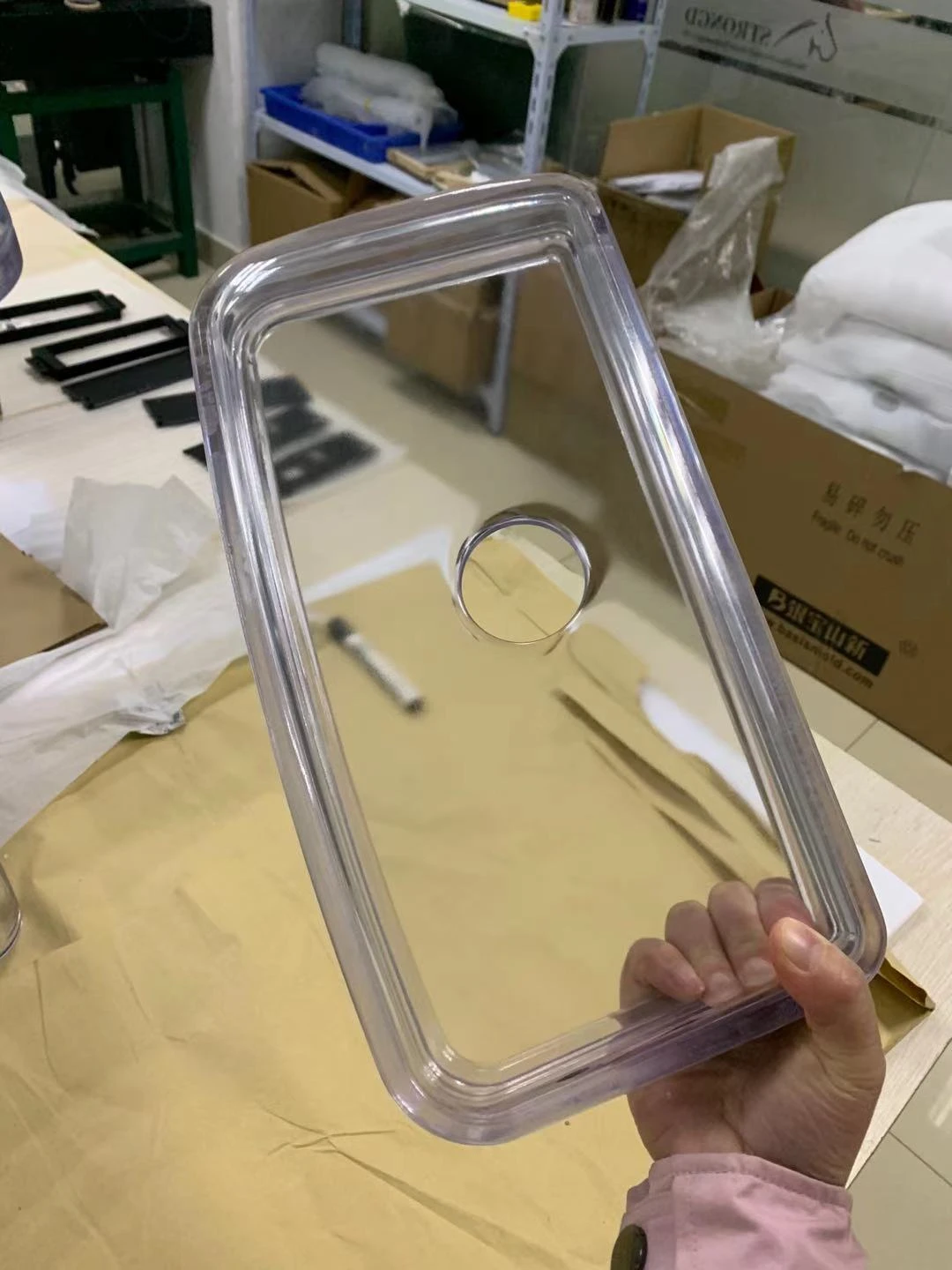
2, Strength and toughness: PC is far superior to acrylic
This is the most fundamental difference between the two. Acrylic is a brittle material with low impact strength, similar to glass. It is prone to cracking when impacted, but it does not splash like glass. The impact strength of PC is more than ten times that of acrylic, with excellent toughness and resistance to breakage, making it known as "unbreakable glass".
When selecting materials, it is necessary to judge based on the product's usage environment. If the product may fall or be subjected to force, such as protective covers, children's water bottles, or car light lenses, PC is the only option. If the product is only a static display with no impact risk, such as display racks, light boxes, or photo frames, acrylic is fully capable.
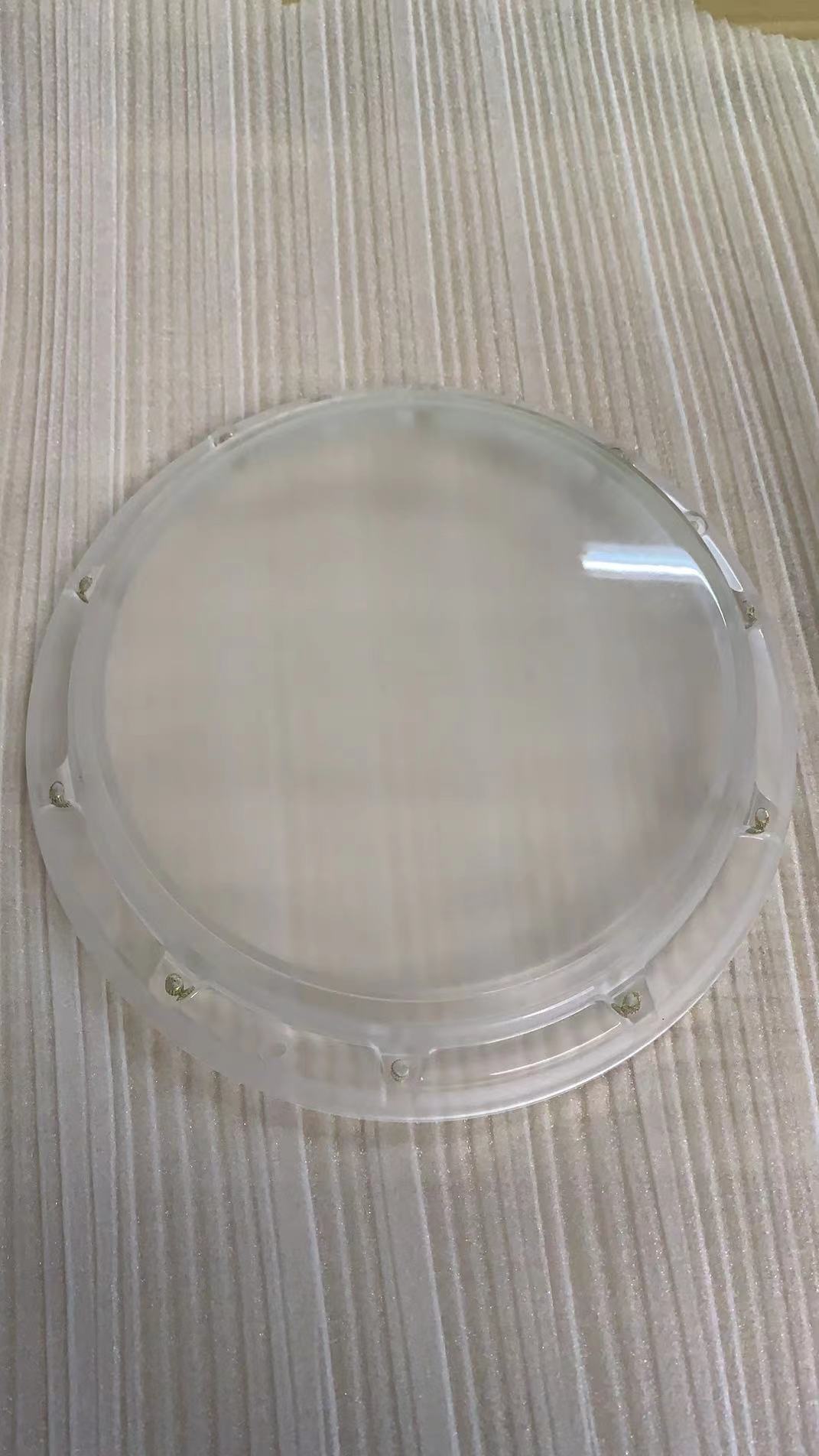
3, Weather resistance and UV resistance
Acrylic performs extremely well outdoors, even if exposed to long-term sunlight for more than ten years, it is not prone to yellowing and has excellent UV resistance. This is also why acrylic is commonly used for outdoor billboards, light boxes, and daylighting covers.
The weather resistance of PC is poor, and it is prone to aging and yellowing in outdoor environments. UV coating is usually required to be added for outdoor use. If there is no coating protection, PC is more suitable for indoor use, such as electronic panels, interior windows, or car interior parts.
If long-term outdoor use is required, acrylic is a more reliable choice. If it is an indoor environment, both are acceptable, but it should be noted that the PC may gradually change color near windows or in areas with strong light exposure.
4, Heat resistance
The thermal deformation temperature of acrylic is between 80 and 100 degrees Celsius, suitable for normal temperature environments and needs to be kept away from heat sources. The thermal deformation temperature of PC can reach 130 to 140 degrees Celsius, allowing it to come into contact with hot water and adapt to environments with heat dissipation requirements such as LED lamps.
If the product requires high-temperature disinfection or is close to a heat source, such as baby bottles, hot water kettle components, or lamp housings, PC is more suitable. If used only at room temperature, acrylic is completely sufficient.
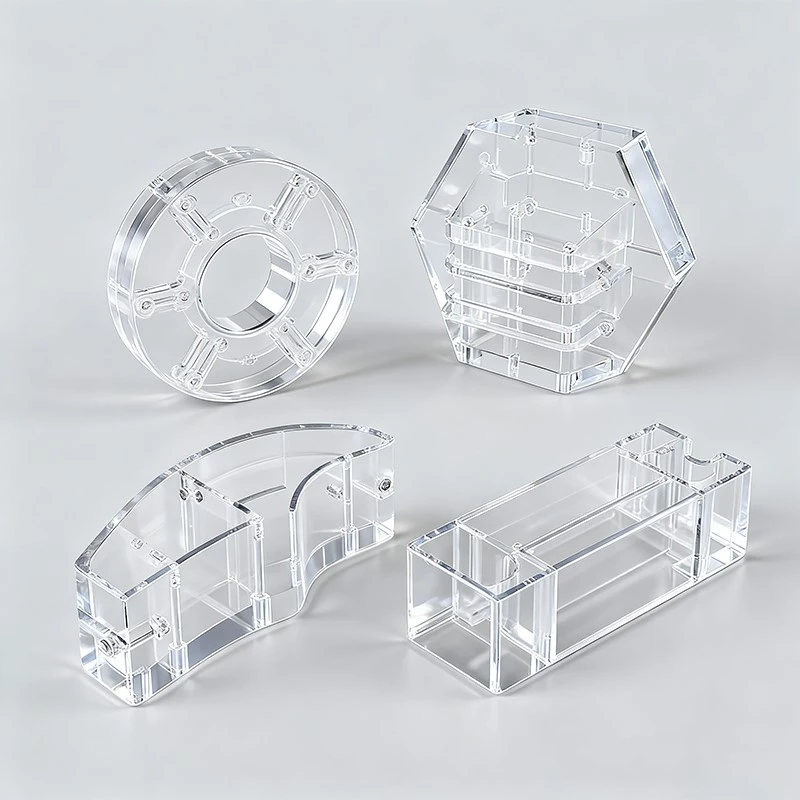
5, Processing performance
In terms of CNC machining, acrylic is easier to process, with a high surface finish and easy polishing to achieve transparency. PC material is relatively soft, and it is easy to stick to the knife during processing, resulting in white marks on the surface, requiring more precise process control.
In terms of laser cutting, acrylic has smooth and transparent edges that are suitable for carving. After cutting, a slight flame polishing can restore transparency. PC cutting edges are prone to yellowing, and there is a lot of smoke during cutting, making it unsuitable for parts with high transparency edge requirements.
In terms of hot bending forming, acrylic is easy to form and has lower temperature control requirements. PC requires higher temperatures and is prone to internal stress leading to cracking.
In terms of bonding, acrylic can be bonded with chloroform solvent, with transparent and seamless seams and high bonding strength. PC is difficult to bond and requires specialized adhesive. The seams are prone to whitening and the strength is far inferior to acrylic bonding.
In terms of injection molding, acrylic has good fluidity and is suitable for thin-walled parts. PC has high viscosity and requires high-temperature and high-pressure injection molding, which places higher demands on the mold.
If CNC machining, laser cutting or hot bending are the main methods, acrylic is easier to process and the effect is better. If the product requires injection molding for mass production, both options are available, but the mold requirements and production costs for PC are higher.
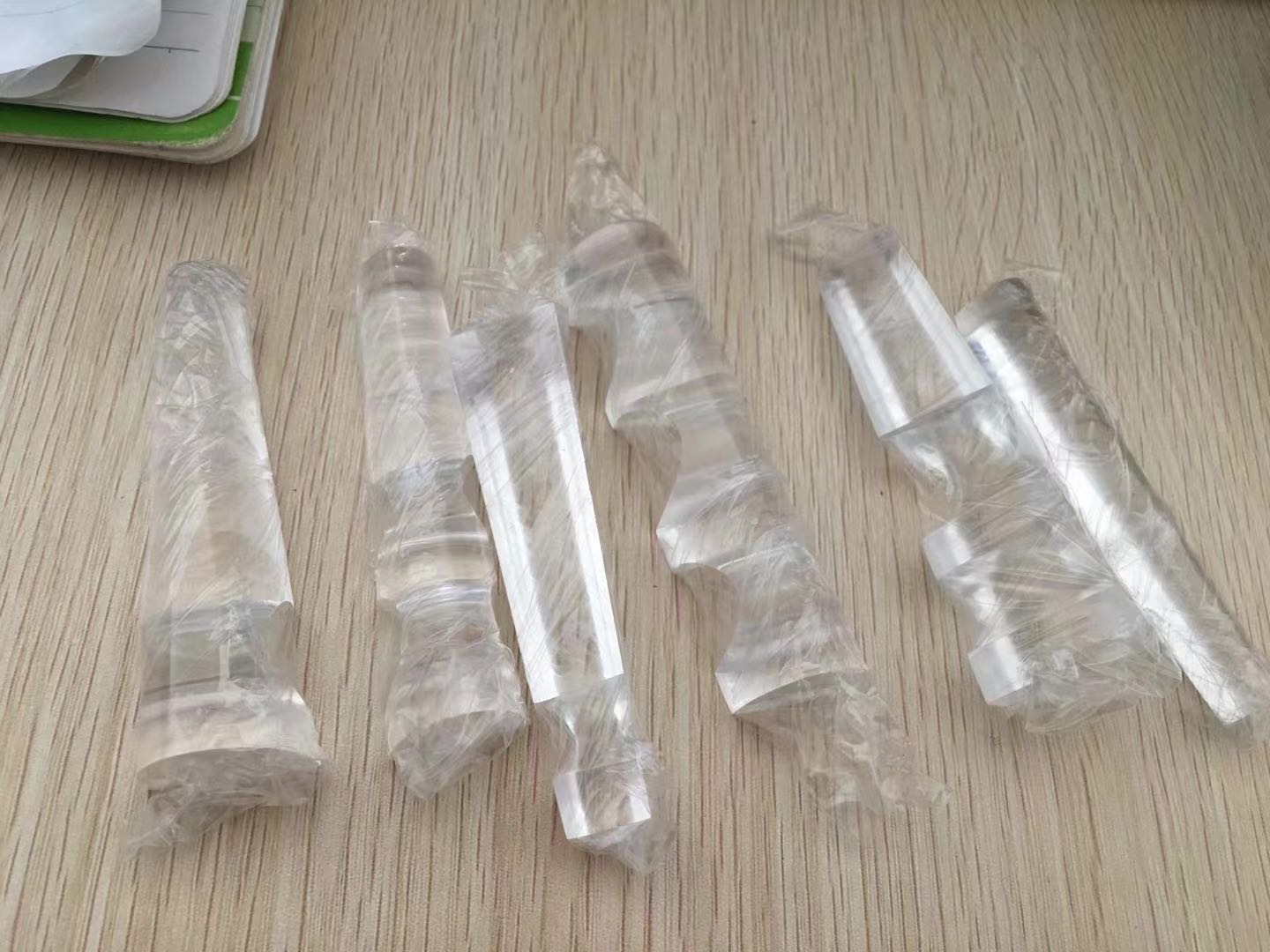
6, Cost comparison
The material cost of acrylic is relatively low, and the processing cost is also low, making the overall cost very economical. The material cost of PC is relatively high, the processing difficulty is high, the mold requirements are high, and the overall cost is significantly higher than that of acrylic.
For products with limited budget and no special strength requirements, acrylic has a higher cost-effectiveness. For products that require impact resistance or high temperature resistance, even if the cost is high, PC should be chosen.

Shenzhen StrongD Model has rich experience in processing transparent parts, whether it is acrylic or PC, we can provide one-stop services such as CNC machining, polishing, hot bending, injection molding, etc. Welcome to send drawings for consultation, we will recommend the most suitable materials and processes for you.


