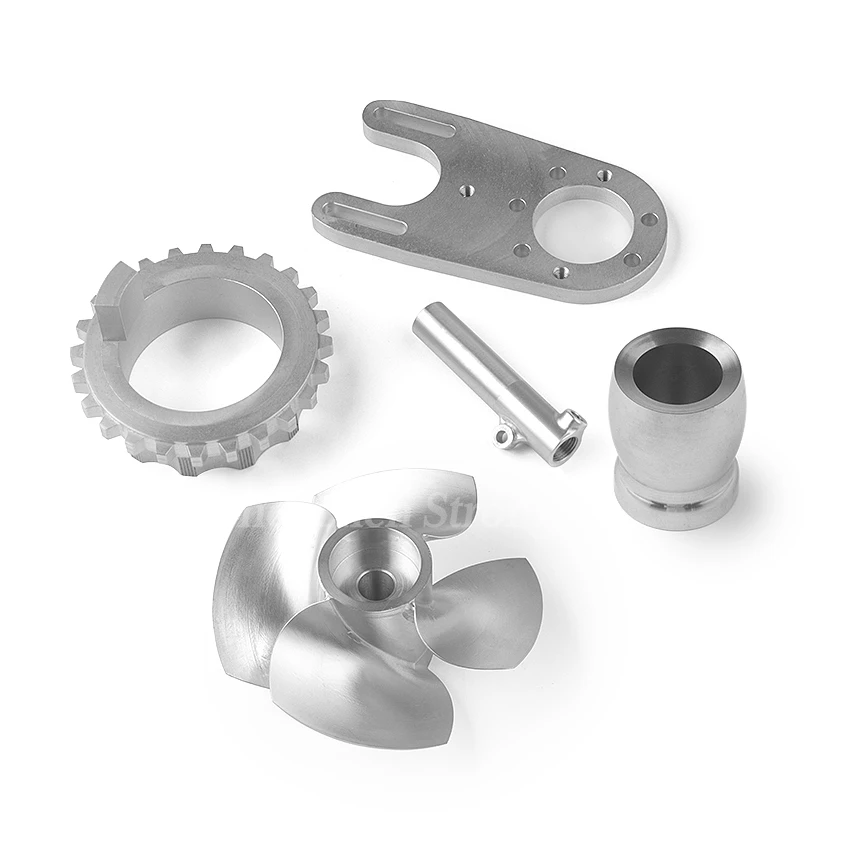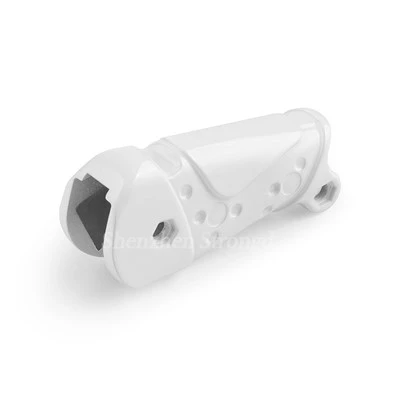

Hey there! I'm a supplier in the precision machining industry, and today I'm gonna walk you through the equipment we use in precision machining. Precision machining is all about creating parts with extremely tight tolerances, and the right equipment is crucial for achieving that level of accuracy.
CNC Machines
First up, we've got Computer Numerical Control (CNC) machines. These are the workhorses of precision machining. CNC machines use computer programs to control the movement of cutting tools, allowing for highly accurate and repeatable operations.

CNC Mills
CNC mills are super versatile. They can perform a variety of operations like drilling, cutting, and milling on different materials. With a CNC mill, we can create complex shapes and contours with high precision. For example, if you need a part with intricate patterns or detailed features, a CNC mill can handle it like a pro. You can check out more about CNC milling, especially CNC Milling Aluminum, on our website.
CNC Lathes
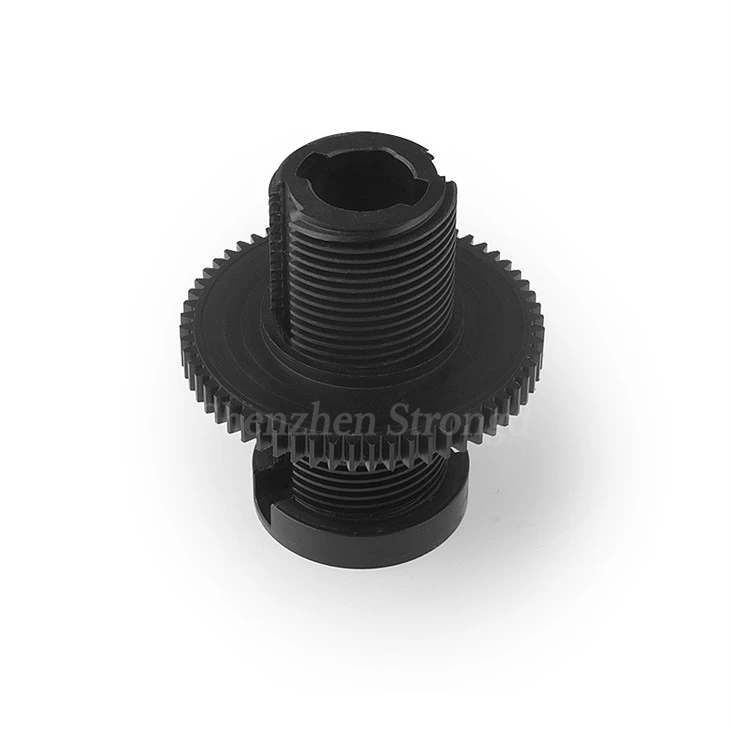
CNC lathes are great for turning operations. They rotate the workpiece while a cutting tool removes material to create cylindrical shapes. Whether it's a simple shaft or a more complex threaded part, a CNC lathe can produce it with excellent accuracy. The computer control ensures that the dimensions are spot - on every time.
CNC Precision Metal
When it comes to working with metals in precision machining, CNC Precision Metal machining is a big deal. CNC machines can handle a wide range of metals, from aluminum and steel to titanium. The precision offered by these machines allows us to work with thin walls and tight tolerances, which is essential for many industries like aerospace and automotive.
Cutting Tools
Of course, CNC machines are only as good as the cutting tools they use. We have a wide variety of cutting tools in our arsenal.
End Mills
End mills are used in milling operations. They come in different shapes and sizes, such as square - end, ball - end, and corner - radius end mills. Square - end mills are great for flat surfaces and square corners, while ball - end mills are perfect for creating curved surfaces.
Drill Bits
Drill bits are used for creating holes in the workpiece. We use high - quality drill bits made from materials like carbide to ensure long - lasting performance and accurate hole diameters.
Turning Inserts
For lathe operations, turning inserts are essential. These inserts are made from hard materials and can be easily replaced when they wear out. They come in different geometries to suit different turning applications.
Measuring Equipment
To ensure that the parts we produce meet the required specifications, we rely on accurate measuring equipment.
Calipers
Calipers are one of the most basic but important measuring tools. We use both digital and mechanical calipers to measure the dimensions of the parts, such as length, diameter, and thickness. They are portable and easy to use, allowing us to quickly check the part's size during the machining process.
Micrometers
Micrometers offer even higher precision than calipers. They are used for measuring very small dimensions with extreme accuracy. For example, when we need to measure the thickness of a thin sheet or the diameter of a small hole, a micrometer is our go - to tool.
Coordinate Measuring Machines (CMMs)
CMMs are the heavyweights of measuring equipment. These machines use a probe to measure the coordinates of points on the surface of the part. They can create a 3D model of the part and compare it to the design specifications. CMMs are especially useful for complex parts with multiple features, as they can quickly and accurately determine if the part meets the required tolerances.
Grinding Machines
Grinding machines are used to achieve a high - quality surface finish and precise dimensions.
Surface Grinders
Surface grinders are used to grind flat surfaces. They use a rotating grinding wheel to remove a small amount of material from the surface of the workpiece, resulting in a smooth and flat finish. This is important for parts that require a high - precision flat surface, such as machine bases or tooling plates.
Cylindrical Grinders
Cylindrical grinders are used to grind cylindrical surfaces. They can improve the roundness, straightness, and surface finish of the workpiece. Whether it's a shaft or a bearing, a cylindrical grinder can ensure that the part meets the required specifications.
EDM Machines
Electrical Discharge Machining (EDM) machines are used for machining hard materials and creating complex shapes that are difficult to achieve with traditional cutting tools.
Wire EDM
Wire EDM uses a thin wire electrode to cut through the workpiece by means of electrical discharges. It can create very precise cuts and is ideal for making parts with intricate shapes, such as dies and molds.
Sinker EDM
Sinker EDM uses a shaped electrode to create a cavity in the workpiece. It's great for creating complex internal shapes and features, especially in hard materials like tungsten carbide.
Prototype Machining
When it comes to creating prototypes, CNC Prototype Parts are our specialty. We use the same precision machining equipment to produce prototypes as we do for production parts. This allows us to quickly and accurately create a working model of the part, which can be tested and evaluated before mass production.
Automation and Robotics
In today's precision machining industry, automation and robotics are becoming increasingly important. We use robotic arms to load and unload parts from the machines, which improves efficiency and reduces the risk of human error. Automated systems can also monitor the machining process and make adjustments in real - time to ensure consistent quality.
Conclusion
As you can see, precision machining involves a wide range of equipment, from CNC machines and cutting tools to measuring devices and automation systems. Each piece of equipment plays a crucial role in producing high - quality, precise parts.
If you're in the market for precision machining services, whether it's for a small prototype or a large - scale production run, we'd love to hear from you. We have the expertise and the state - of - the - art equipment to meet your needs. Reach out to us for a quote and let's start a conversation about your project.
References
- "Precision Machining Technology" by Peter J. Ulintz
- "CNC Machining Handbook" by Mark Albert