
Hey there! I'm a supplier of Surgical Robots Parts, and today I want to dig into a topic that's been on my mind a lot lately: Are there any environmental impacts associated with surgical robot parts?
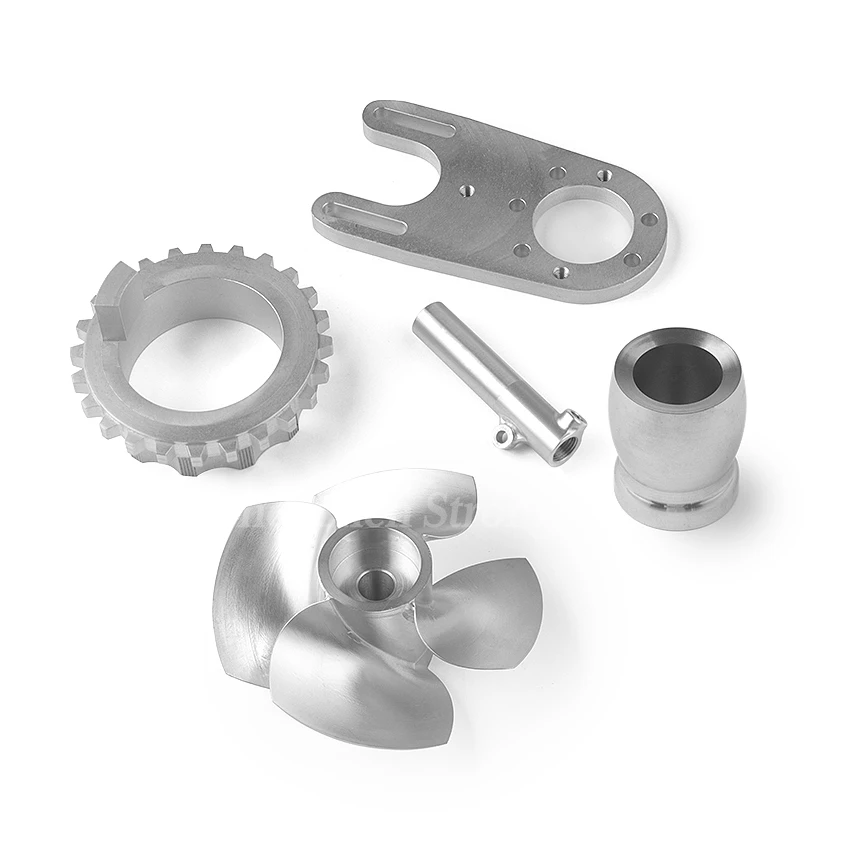
First off, let's talk about what surgical robot parts are made of. A lot of these parts are crafted from high - tech materials that are built to last and perform at a top - notch level. For instance, we've got the Aluminium Robot Chassis. Aluminium is a popular choice for robot chassis because it's lightweight, strong, and resistant to corrosion. But the production of aluminium isn't exactly a walk in the park when it comes to the environment.
The aluminium smelting process is energy - intensive. It requires a huge amount of electricity, and in many parts of the world, that electricity comes from fossil fuels. Burning fossil fuels releases greenhouse gases like carbon dioxide into the atmosphere, contributing to global warming. Also, the mining of bauxite, the ore from which aluminium is extracted, can cause significant environmental damage. It can lead to deforestation, soil erosion, and water pollution. Mining operations often disrupt local ecosystems, displacing wildlife and harming plant life.
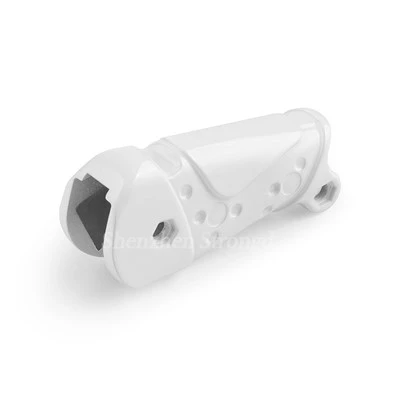
Then there are the Humanoid Robot Joint Parts. These parts are usually made from a combination of metals and polymers. Metals like steel and titanium are strong and durable, but their production also has environmental consequences. Steel production, for example, involves the use of large amounts of coal. Coal is a dirty fuel that emits not only carbon dioxide but also other pollutants like sulfur dioxide and particulate matter. Sulfur dioxide can cause acid rain, which is harmful to forests, lakes, and buildings. Particulate matter can have serious health effects on humans, especially those with respiratory problems.


Polymers, on the other hand, are often derived from petroleum. Petroleum is a non - renewable resource, and its extraction and processing can cause oil spills, habitat destruction, and air pollution. When these polymers end up in landfills, they can take hundreds of years to decompose, contributing to the growing problem of plastic waste.
Another aspect to consider is the manufacturing process of surgical robot parts. Precision machining is a common method used to create these parts. This process generates a lot of waste in the form of metal shavings and coolant fluids. Metal shavings can be recycled, but it requires additional energy and resources. Coolant fluids often contain chemicals that can be harmful to the environment if not properly disposed of. They can contaminate soil and water sources, posing a threat to both human health and wildlife.
Now, let's look at the end - of - life phase of surgical robot parts. When these parts reach the end of their useful life, they need to be disposed of. If they're not recycled or reused, they'll end up in landfills. Landfills are a major source of methane, a potent greenhouse gas. Methane is produced when organic matter in landfills decomposes in an anaerobic environment. Surgical robot parts may also contain small amounts of hazardous materials like lead or mercury, which can leach into the soil and groundwater if not handled correctly.
But it's not all doom and gloom. There are steps that can be taken to reduce the environmental impact of surgical robot parts. For one, more and more manufacturers are looking into using recycled materials. Recycling metals like aluminium and steel can significantly reduce the energy required for production. It also helps to conserve natural resources. Some companies are also exploring the use of biodegradable polymers, which break down more quickly in the environment.
In terms of manufacturing, there are technologies that can reduce waste. For example, additive manufacturing, also known as 3D printing, can be used to create surgical robot parts with less material waste. 3D printing builds parts layer by layer, only using the exact amount of material needed. This not only reduces waste but also has the potential to lower production costs.
At our company, we're committed to doing our part. We're constantly looking for ways to make our Surgical Robots Parts more environmentally friendly. We work with suppliers who are also conscious of the environmental impact of their materials. We're investing in research and development to find better manufacturing processes that generate less waste and use less energy.
If you're in the market for high - quality surgical robot parts, and you're also concerned about the environment, we'd love to talk to you. We can provide you with detailed information about the environmental impact of our products and the steps we're taking to minimize it. Whether you're a hospital looking to upgrade your surgical equipment or a research institution working on the next big thing in surgical robotics, we're here to help. Reach out to us, and let's start a conversation about how we can work together to meet your needs while also being kind to the planet.
References
- "Environmental Impacts of Metal Production." United Nations Environment Programme.
- "The State of Plastic Pollution." Ocean Conservancy.
- "Sustainable Manufacturing Technologies in the Medical Device Industry." Journal of Cleaner Production.