
Stereolithography Apparatus (SLA) 3D model making has emerged as a revolutionary technology in the field of manufacturing, offering high precision and detailed parts. As a leading SLA 3D Model Making supplier, I am frequently asked about the feasibility of using SLA 3D models for creating molds for casting. In this blog post, I will delve into the technical aspects, advantages, limitations, and real - world applications of using SLA 3D models in mold - making for casting.
Technical Feasibility of SLA 3D Models in Mold - Making
SLA 3D printing is a process that uses a laser to cure liquid resin layer by layer, creating a solid 3D object. The high - resolution capabilities of SLA printers allow for the creation of intricate and detailed models. When it comes to mold - making for casting, the key requirement is that the mold can withstand the casting process, which often involves high temperatures and pressures.
The materials used in SLA 3D printing, typically various types of resins, have different properties. Some resins are formulated to have high heat resistance, which is crucial for casting processes such as investment casting. In investment casting, a wax pattern is typically used, but an SLA 3D - printed model can serve as a direct replacement. The resin model can be encased in a ceramic shell, and then the resin can be burned out during the firing process, leaving a cavity for the molten metal to be poured.
Advantages of Using SLA 3D Models for Mold - Making
1. High Precision and Detail
SLA 3D printing can achieve extremely high levels of precision, with layer thicknesses as low as 25 microns. This means that even the most complex geometries and fine details can be accurately reproduced in the mold. For example, in the jewelry industry, where intricate designs are the norm, SLA 3D - printed molds can capture every delicate feature of a design, resulting in high - quality cast pieces.
2. Rapid Prototyping
One of the biggest advantages of SLA 3D model making is the speed at which prototypes can be produced. Traditional mold - making methods can take weeks or even months, while an SLA 3D - printed mold can be ready in a matter of hours or days. This rapid turnaround time allows for faster product development cycles, enabling companies to bring new products to market more quickly.
3. Cost - Effectiveness for Small Batch Production
For small - scale production runs, creating a traditional mold can be prohibitively expensive. SLA 3D - printed molds offer a more cost - effective alternative. Since there is no need for expensive tooling or machining, the upfront costs are significantly reduced. This makes it an attractive option for startups and small businesses looking to produce limited quantities of high - quality cast parts.
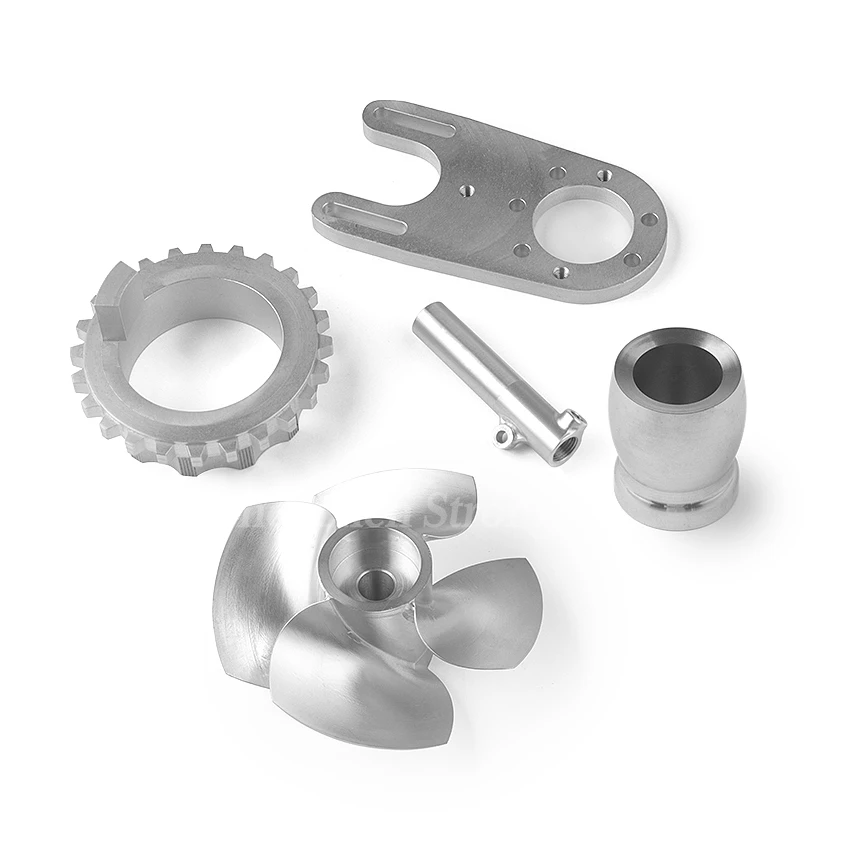
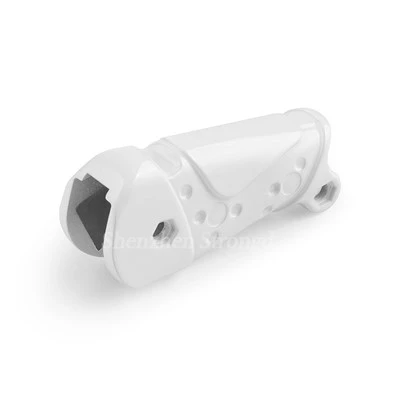
We offer a wide range of Resin 3D Printing Parts that can be used as molds for casting, providing our customers with cost - effective and high - precision solutions.
Limitations of SLA 3D Models in Mold - Making
1. Material Limitations
Although some resins have good heat resistance, they may not be suitable for all casting processes. For example, in some high - temperature casting applications, such as casting certain types of steel, the resin may not be able to withstand the extreme temperatures without deforming or breaking down. Additionally, the mechanical properties of the resin, such as its strength and durability, may be limited compared to traditional mold materials like metal.
2. Size Constraints
SLA 3D printers typically have limited build volumes. This means that creating large - scale molds may not be feasible with SLA technology. For applications that require large molds, other manufacturing methods may need to be considered.
3. Surface Finish
While SLA 3D - printed models can have a smooth surface finish, it may not be as smooth as a traditional machined mold. In some casting applications, a very smooth mold surface is required to ensure a high - quality finish on the cast part. Post - processing may be necessary to improve the surface finish of the SLA 3D - printed mold.
Real - World Applications
1. Jewelry Industry
As mentioned earlier, the jewelry industry benefits greatly from SLA 3D - printed molds. Designers can quickly create prototypes of their jewelry designs and use them to produce high - quality cast pieces. The ability to capture fine details and complex geometries makes SLA 3D printing an ideal choice for creating molds for rings, necklaces, and other jewelry items.
2. Dental Industry
In the dental industry, SLA 3D - printed molds are used for creating dental crowns, bridges, and other dental prosthetics. The high precision of SLA 3D printing ensures a perfect fit for the dental appliances. Additionally, the rapid prototyping capabilities allow for faster turnaround times, reducing the waiting time for patients.
3. Automotive and Aerospace Industries
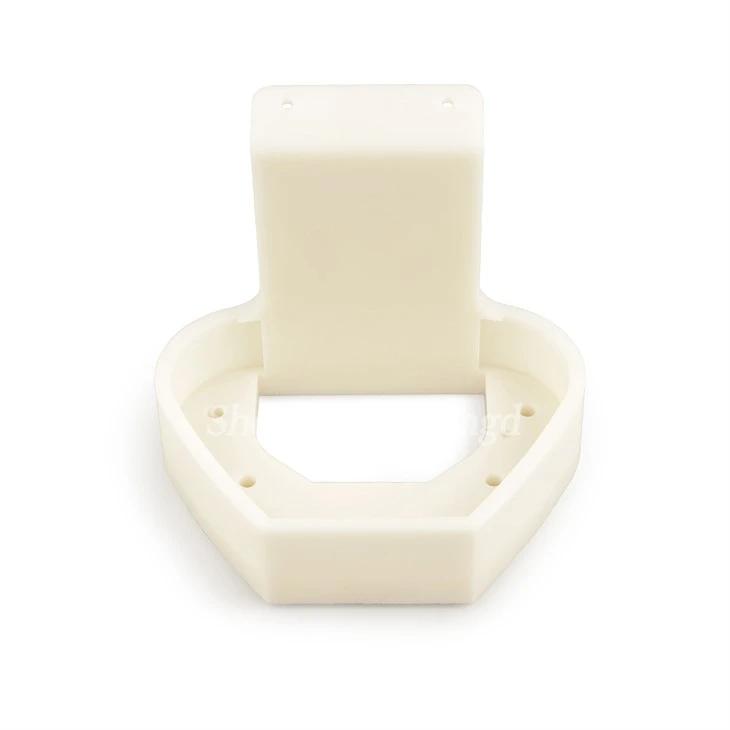
For the automotive and aerospace industries, SLA 3D - printed molds can be used for producing small - scale parts and prototypes. The ability to quickly produce molds and test different designs helps in the development of new products and the improvement of existing ones. We also provide 3D Printing Plastic Parts and 3D Printing Model Parts that are suitable for various applications in these industries.
Conclusion
In conclusion, SLA 3D model making can indeed be used for creating molds for casting, offering numerous advantages such as high precision, rapid prototyping, and cost - effectiveness for small batch production. However, it also has its limitations, including material and size constraints. Understanding these factors is crucial for determining whether SLA 3D - printed molds are the right choice for a particular casting application.
As a SLA 3D Model Making supplier, we have the expertise and experience to help you make the most of this technology. Whether you are a startup looking to produce a small batch of high - quality cast parts or a large corporation in need of rapid prototyping, we can provide you with customized solutions.

If you are interested in exploring the possibilities of using SLA 3D - printed molds for your casting needs, I encourage you to contact us for a detailed discussion. We can work together to determine the best approach for your specific application and ensure that you get the highest - quality results.
References
- Gibson, I., Rosen, D. W., & Stucker, B. (2010). Additive Manufacturing Technologies: Rapid Prototyping to Direct Digital Manufacturing. Springer.
- Wohlers, T., & Gornet, M. (2017). Wohlers Report 2017: 3D Printing and Additive Manufacturing State of the Industry. Wohlers Associates.
- Hopkinson, N., Hague, R., & Dickens, P. M. (2006). Rapid Manufacturing: An Industrial Revolution for the Digital Age. Wiley.