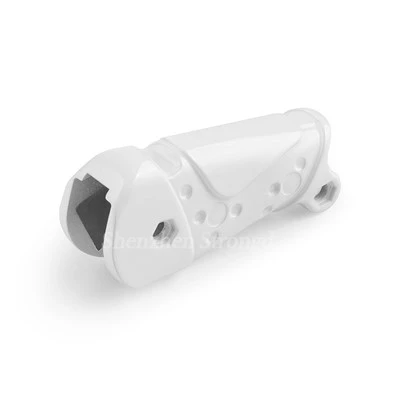

Hey there! As a supplier of Vacuum Casting PC Parts, I often get asked if vacuum casting can be used for PC parts with low - density properties. Well, let's dive right into it and find out.

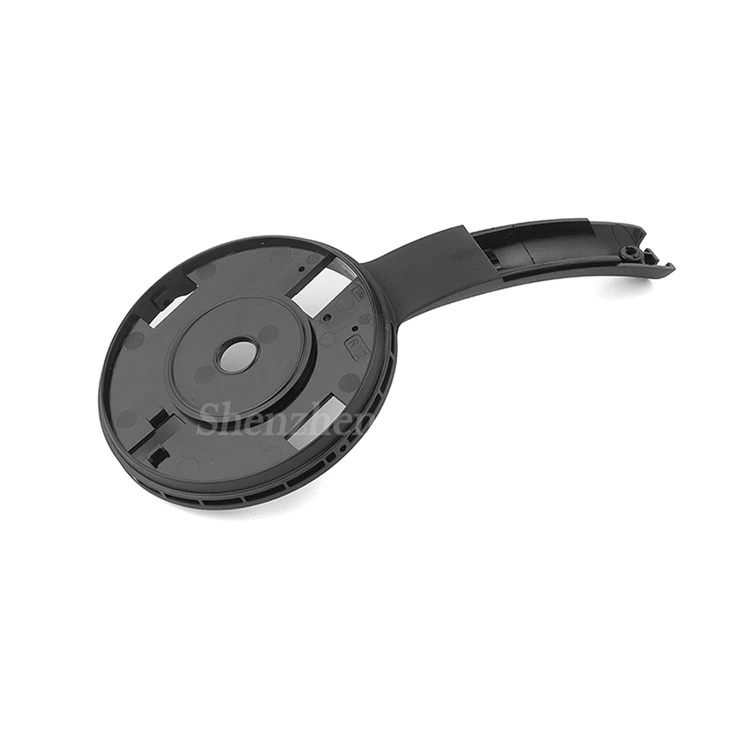
First off, let's understand what vacuum casting is. Vacuum casting is a manufacturing process that involves creating a silicone mold from a master pattern and then using that mold to produce multiple copies of the part. It's a great method for rapid prototyping and small - batch production.
Now, when it comes to PC parts with low - density properties, there are a few things to consider. Low - density PC parts are often lightweight, which can be a huge advantage in many applications, like in portable electronics or aerospace components.
One of the key benefits of using vacuum casting for low - density PC parts is the ability to use a variety of materials. There are different types of resins available that can be used in the vacuum casting process, some of which can be formulated to have low - density characteristics. These resins can mimic the properties of PC (polycarbonate) to a large extent, offering good mechanical strength and chemical resistance while still being lightweight.
Another advantage is the high level of detail that vacuum casting can achieve. The silicone molds used in this process can capture even the smallest features of the master pattern. This is crucial for PC parts, which often have complex geometries and fine details. Whether it's a small connector or a more intricate housing, vacuum casting can reproduce these parts accurately.
For example, let's say you need a low - density PC housing for a new electronic device. With vacuum casting, you can create a high - quality silicone mold from a 3D - printed master pattern. Then, by using a low - density resin, you can produce multiple copies of the housing that are both lightweight and have all the necessary details. You can check out Silicone Mould Parts on our website to get an idea of the quality of the molds we can create.
However, there are also some challenges when using vacuum casting for low - density PC parts. One of the main issues is the shrinkage rate of the resin. Low - density resins may have a higher shrinkage rate compared to standard PC materials. This can lead to dimensional inaccuracies in the final parts. To overcome this, careful calibration of the casting process is required. We've spent a lot of time fine - tuning our processes to minimize shrinkage and ensure that the parts we produce meet the required specifications.
Another challenge is the surface finish. While vacuum casting can produce parts with a relatively smooth surface, achieving the same high - gloss finish as traditional PC parts can be difficult. But with the right post - processing techniques, such as sanding and polishing, we can improve the surface appearance of the low - density PC parts.
In terms of cost - effectiveness, vacuum casting can be a great option for low - density PC parts, especially for small - batch production. The initial cost of creating the silicone mold is relatively low compared to other manufacturing methods, like injection molding. And since you can produce multiple parts from a single mold, the per - part cost can be quite reasonable.
Now, let's talk about some specific applications of vacuum - cast low - density PC parts. In the electronics industry, these parts can be used for things like Vacuum Casting Plastic Electronic Shell. The lightweight nature of the parts can help reduce the overall weight of the device, which is a big plus for portable electronics.
In the automotive industry, low - density PC parts can be used for interior components. For example, dashboard panels or door trim pieces. These parts need to be lightweight to improve fuel efficiency, and vacuum casting can provide a cost - effective solution for producing them.
In the aerospace industry, where weight is a critical factor, vacuum - cast low - density PC parts can be used for various applications. From small brackets to more complex structural components, the ability to produce lightweight parts with high precision makes vacuum casting an attractive option.
We also offer Vacuum Casting Soft Rapid Prototype services. This is useful when you need to quickly test the form and fit of a low - density PC part before moving on to full - scale production. You can get a prototype in a relatively short time, allowing you to make any necessary design changes early in the process.
So, in conclusion, vacuum casting can definitely be used for PC parts with low - density properties. While there are some challenges to overcome, the benefits in terms of material flexibility, detail reproduction, and cost - effectiveness make it a viable option. Whether you're in the electronics, automotive, or aerospace industry, we have the expertise and experience to produce high - quality low - density PC parts for your needs.
If you're interested in learning more about our Vacuum Casting PC Parts or have a specific project in mind, don't hesitate to reach out. We'd be more than happy to discuss your requirements and provide you with a quote. Let's work together to bring your ideas to life!
References
- "Rapid Prototyping and Manufacturing: Fundamentals of Stereolithography" by Paul F. Jacobs
- "Plastics Materials" by J. A. Brydson