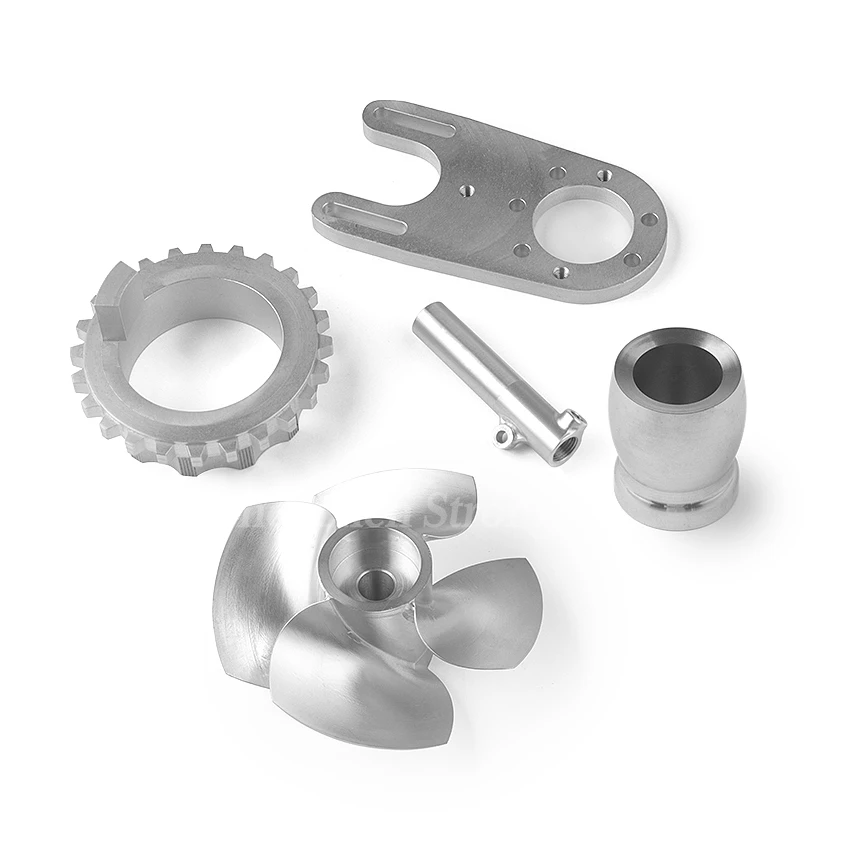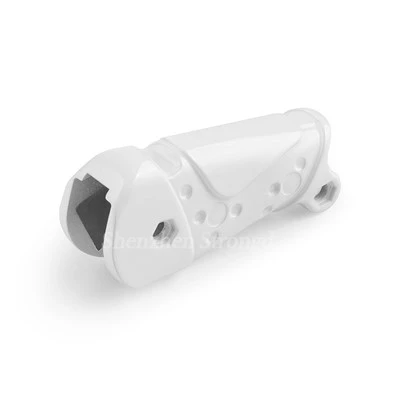

In the realm of precision machining, two prominent methods stand out: CNC (Computer Numerical Control) precision machining and traditional precision machining. As a seasoned precision machining supplier, I've witnessed firsthand the unique characteristics and differences between these two approaches. In this blog, I'll delve into the intricacies of how CNC precision machining diverges from traditional precision machining, exploring their respective advantages, limitations, and applications.
Process Automation
One of the most significant differences between CNC precision machining and traditional precision machining lies in the level of automation. Traditional precision machining relies heavily on manual labor, where skilled machinists operate machines such as lathes, mills, and grinders to shape and finish workpieces. This hands - on approach requires a high degree of skill and experience, as machinists must make real - time adjustments based on their judgment and expertise.
On the other hand, CNC precision machining is highly automated. It uses computer - controlled systems to execute machining operations with remarkable precision. The machining instructions are programmed into a computer, which then controls the movement of the cutting tools and the workpiece. This automation reduces the need for constant manual intervention, allowing for consistent and repeatable results. For example, when producing multiple identical parts, CNC machines can reproduce the same dimensions and surface finishes with minimal variation.
Precision and Accuracy
Precision and accuracy are crucial in precision machining, and both CNC and traditional methods aim to achieve high - quality results. However, CNC precision machining generally offers superior precision. The computer - controlled nature of CNC machines allows for extremely tight tolerances, often within a few micrometers. This is because the machines can execute commands with a high degree of consistency, eliminating human errors that may occur in traditional machining.
In traditional precision machining, while skilled machinists can achieve excellent accuracy, the results are more prone to human error. Factors such as fatigue, operator skill level, and the limitations of manual control can affect the final dimensions of the workpiece. For instance, when manually operating a milling machine, it can be challenging to maintain the exact same cutting depth and feed rate throughout the entire machining process.
Complexity of Geometries
CNC precision machining excels in handling complex geometries. The ability to program the machine to move the cutting tools in multiple axes simultaneously enables the creation of intricate shapes and features that would be extremely difficult or impossible to achieve with traditional methods. For example, CNC machines can produce parts with complex curves, undercuts, and internal cavities with ease.
Traditional precision machining, on the other hand, is more limited in terms of the complexity of geometries it can handle. Machining complex shapes often requires multiple setups and specialized fixtures, which can be time - consuming and costly. Skilled machinists may be able to create some complex parts, but the process is labor - intensive and may not be as efficient as CNC machining.
Production Volume
The choice between CNC and traditional precision machining also depends on the production volume. For low - volume production, traditional precision machining can be a viable option. It offers more flexibility, as machinists can quickly make adjustments and modifications to the machining process. Setting up a traditional machine for a small batch of parts is relatively quick and cost - effective, especially when the parts have simple geometries.
However, for high - volume production, CNC precision machining is the preferred choice. Once the CNC program is developed and optimized, the machines can run continuously, producing parts at a much faster rate than traditional methods. The automation also reduces the labor cost per part, making it more economical for large - scale production.
Cost Considerations
Cost is an important factor in any manufacturing process. Traditional precision machining typically has lower upfront costs, as it does not require expensive CNC equipment and software. The cost of training skilled machinists is also a one - time investment. However, for high - volume production, the labor cost associated with traditional machining can be significant, as it requires more man - hours per part.
CNC precision machining, on the other hand, has higher upfront costs due to the purchase of CNC machines, software, and programming. However, in the long run, for large - scale production, the cost per part can be lower. The reduced labor cost, higher production speed, and lower scrap rate due to better precision can offset the initial investment.
Applications
Both CNC and traditional precision machining have their own areas of application. Traditional precision machining is often used in industries where low - volume, high - quality parts are required, such as in the production of custom - made jewelry, high - end watch components, and some specialized tooling. The hands - on approach of traditional machining allows for a high level of craftsmanship and attention to detail.
CNC precision machining, with its ability to handle complex geometries and high - volume production, is widely used in industries such as aerospace, automotive, and electronics. In the aerospace industry, for example, CNC machines are used to produce critical components such as turbine blades and engine parts, which require high precision and complex shapes.
Our Offerings as a Precision Machining Supplier
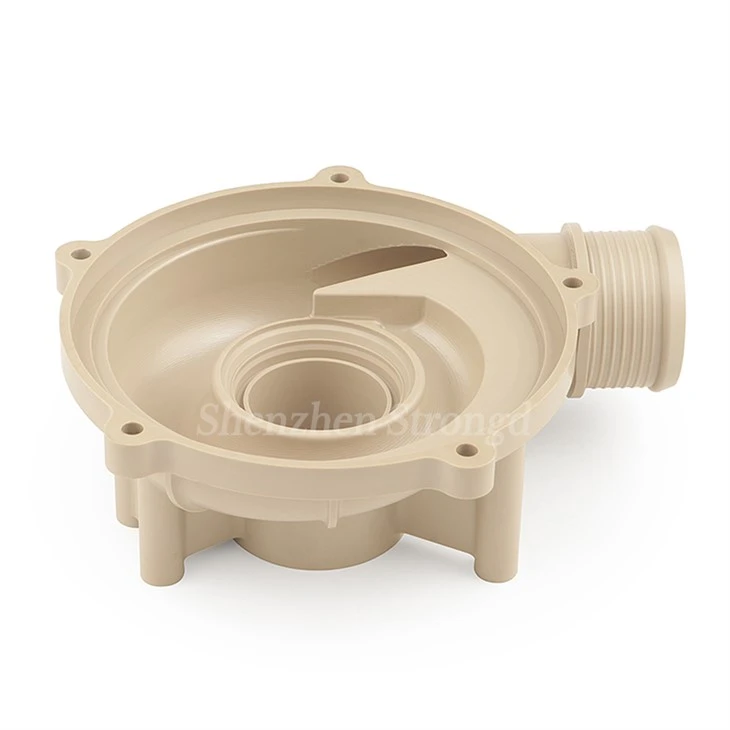
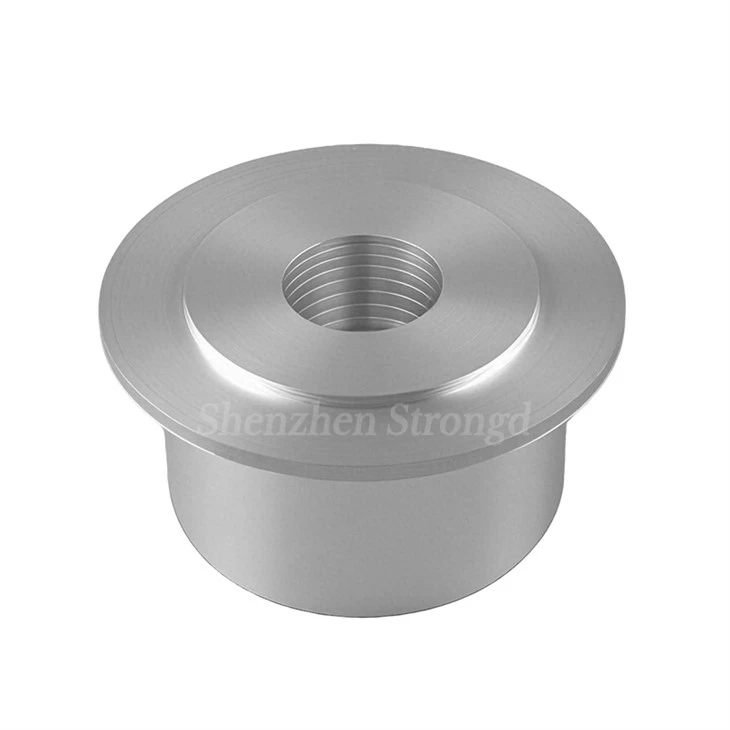
As a precision machining supplier, we offer both CNC and traditional precision machining services to meet the diverse needs of our customers. For projects that require complex geometries and high - volume production, we leverage our state - of the - art CNC machines, such as CNC Milling Aluminum, CNC Turning Aluminum Parts, and CNC Machining Plastic Parts. Our experienced programmers ensure that the CNC programs are optimized for maximum efficiency and precision.
For low - volume projects or those that require a more hands - on approach, our skilled machinists use traditional methods to produce high - quality parts. We understand the importance of precision and quality in every project, and we work closely with our customers to determine the most suitable machining method for their specific requirements.
Conclusion
In conclusion, CNC precision machining and traditional precision machining have distinct differences, each with its own advantages and limitations. The choice between the two depends on various factors, including production volume, complexity of geometries, precision requirements, and cost considerations. As a precision machining supplier, we are committed to providing our customers with the best - suited machining solutions. Whether you need high - precision parts with complex geometries or low - volume custom - made components, we have the expertise and capabilities to meet your needs. If you are interested in our precision machining services, please feel free to contact us for a detailed discussion and quotation.
References
- Groover, M. P. (2010). Fundamentals of Modern Manufacturing: Materials, Processes, and Systems. Wiley.
- Stephenson, D. A., & Agapiou, J. S. (2006). Metal Cutting Theory and Practice. CRC Press.
- Trent, E. M., & Wright, P. K. (2000). Metal Cutting. Butterworth - Heinemann.