
As a provider of SLS 3D printing services, I've had the privilege of tackling a wide array of projects, from small - scale prototypes to large - scale, complex undertakings. In this blog, I'll delve into how our SLS 3D printing service effectively handles large - scale projects.
Understanding the Scope of Large - Scale Projects
Large - scale projects in SLS 3D printing can be defined in various ways. They may involve creating a single large part, such as structural components for aerospace applications or large - sized custom - made furniture. Another aspect could be producing a high volume of smaller parts, like automotive components or consumer product parts for mass - market distribution.
The challenges associated with these projects are multi - fold. Firstly, there are material requirements. For large parts, we need to ensure that the material can provide the necessary mechanical properties and stability throughout the entire structure. When it comes to high - volume production, we must have a consistent and reliable supply of materials.
Secondly, build time is a significant factor. Large parts or a large number of parts take longer to print, which can impact project timelines. Additionally, post - processing requirements for large - scale projects are often more complex. This includes tasks like removing excess powder, surface finishing, and quality control checks, which can be time - consuming and require specialized equipment.
Material Selection and Management
One of the keys to handling large - scale projects is proper material selection. We offer a variety of materials for our SLS 3D printing service, each with its own unique properties.
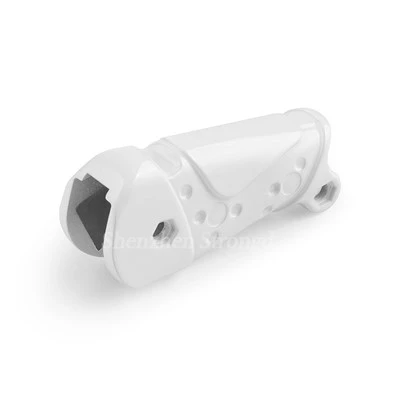
SLS 3D Printing PA Parts are a popular choice for many large - scale projects due to their excellent mechanical strength, chemical resistance, and good surface finish. Polyamide (PA) materials are also relatively lightweight, which is beneficial for applications where weight is a concern, such as in the automotive and aerospace industries.
SLS 3D Printing Nylon Parts are another option. Nylon has high toughness and flexibility, making it suitable for parts that need to withstand impact or have some degree of elasticity.
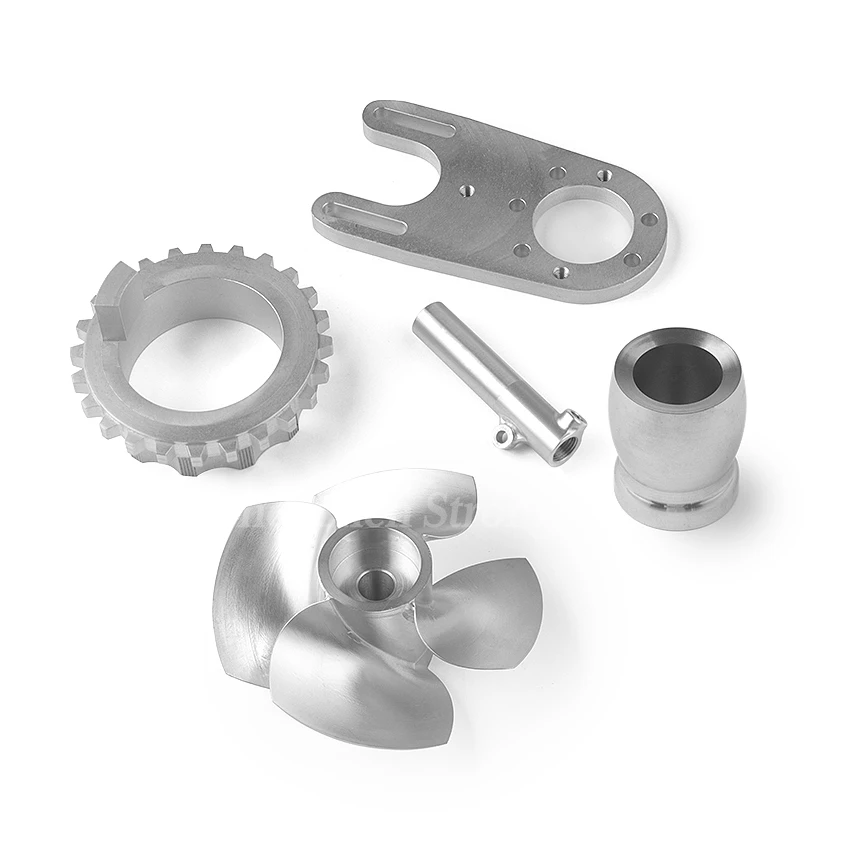
For projects that require high - strength and heat - resistant parts, we also offer materials like SLM 3D Printing Stainless Steel Model. Stainless steel is ideal for applications in the industrial and manufacturing sectors, where durability and corrosion resistance are crucial.
In terms of material management for large - scale projects, we have a well - established system in place. We work closely with our material suppliers to ensure a steady and reliable supply. We also conduct regular quality checks on the incoming materials to guarantee their consistency. Before starting a project, we calculate the exact amount of material needed based on the part design and the build volume, minimizing waste and cost.
Optimizing the Printing Process
To handle large - scale projects efficiently, we optimize the printing process in several ways.
Firstly, we use advanced software to analyze the part design. This software helps us to identify the best orientation for the part in the build chamber. The correct orientation can significantly reduce the amount of support material needed, save printing time, and improve the overall quality of the part. For example, if a part has a complex shape, orienting it in a way that minimizes overhanging features can lead to a more stable and accurate print.
We also implement batch printing techniques for high - volume projects. By arranging multiple parts in the build chamber simultaneously, we can maximize the use of the available build space and reduce the overall printing time. However, this requires careful planning to ensure that the parts do not interfere with each other during the printing process.
In addition, we continuously monitor the printing process. Our printers are equipped with sensors that can detect any issues, such as changes in temperature, powder flow, or laser intensity. If a problem is detected, our technicians can take immediate action to correct it, preventing the production of defective parts.
Post - Processing and Quality Control
Post - processing is an essential step in large - scale SLS 3D printing projects. After the printing is completed, the parts are still embedded in the powder bed. We carefully remove the excess powder using specialized equipment, such as powder recovery systems. This not only cleans the parts but also allows us to recycle the unused powder, reducing material waste.
Surface finishing is another important post - processing step. Depending on the project requirements, we can use various techniques to improve the surface quality of the parts. For example, sanding, polishing, or coating can be applied to achieve a smooth and professional finish.


Quality control is a top priority for us, especially in large - scale projects. We have a comprehensive quality control system in place. Each part is inspected using non - destructive testing methods, such as X - ray inspection and ultrasonic testing, to detect any internal defects. We also measure the dimensional accuracy of the parts using precision measuring tools to ensure that they meet the design specifications.
Project Management and Communication
Effective project management is crucial for the successful completion of large - scale SLS 3D printing projects. We assign a dedicated project manager to each large - scale project. The project manager is responsible for coordinating all aspects of the project, from material procurement and printing to post - processing and delivery.
Communication is also key. We maintain regular communication with our clients throughout the project. We provide them with progress updates, share any potential issues or delays, and seek their input on critical decisions. This open and transparent communication helps to build trust and ensures that the final product meets the client's expectations.
Cost - Efficiency and Sustainability
In large - scale projects, cost - efficiency is a major concern for our clients. We strive to offer competitive pricing without compromising on quality. By optimizing the printing process, reducing material waste, and streamlining our operations, we can keep the costs down.
We also take sustainability into account. Our powder recovery systems allow us to recycle a significant amount of unused powder, reducing the environmental impact. Additionally, the materials we use are often recyclable or have a lower carbon footprint compared to traditional manufacturing methods.
Conclusion
Handling large - scale projects in SLS 3D printing requires a comprehensive approach. From material selection and management to optimizing the printing process, post - processing, quality control, and project management, every step is crucial. Our SLS 3D printing service is well - equipped to tackle these challenges and deliver high - quality results.
If you have a large - scale project that you think our SLS 3D printing service can handle, we'd love to hear from you. Contact us to discuss your project requirements and start the procurement and negotiation process. We're confident that we can provide you with the best solutions for your 3D printing needs.
References
- Gibson, I., Rosen, D. W., & Stucker, B. (2015). Additive Manufacturing Technologies: 3D Printing, Rapid Prototyping, and Direct Digital Manufacturing. Springer.
- Wohlers, T., & Gornet, D. (2020). Wohlers Report 2020: 3D Printing and Additive Manufacturing State of the Industry. Wohlers Associates.