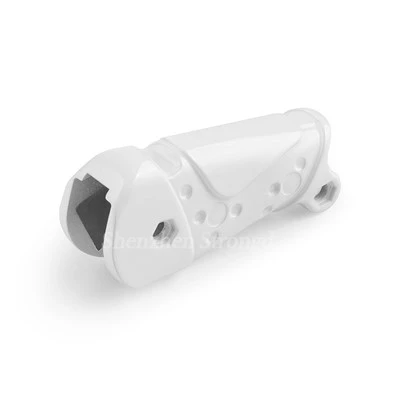

In the dynamic field of robotics, every component plays a crucial role in determining the overall performance of a robot. Among these components, the plastic robot shell is often underestimated, yet its weight can have far - reaching implications for the robot's functionality, efficiency, and durability. As a leading supplier of plastic robot shells, I have witnessed firsthand how the weight of these shells can impact the performance of various robotic systems. In this blog post, I will delve into the intricate relationship between the weight of a plastic robot shell and the robot's performance, exploring both the positive and negative effects.
Impact on Mobility and Energy Efficiency
One of the most immediate effects of the weight of a plastic robot shell is on the robot's mobility. A heavier shell means that the robot has to carry more mass, which in turn requires more energy to move. This is particularly evident in mobile robots, such as those used in logistics, exploration, or surveillance. For example, a delivery robot with a heavy plastic shell will consume more battery power to travel the same distance as a robot with a lighter shell. This increased energy consumption not only reduces the robot's operational range but also shortens its battery life, leading to more frequent recharging and downtime.
On the other hand, a lighter plastic robot shell can significantly improve the robot's mobility and energy efficiency. With less mass to move, the robot can accelerate and decelerate more quickly, making it more agile and responsive. This is especially important in applications where the robot needs to navigate through tight spaces or perform rapid maneuvers. For instance, a search - and - rescue robot with a lightweight shell can move more freely in debris - filled environments, increasing its chances of finding survivors. Additionally, the reduced energy consumption allows the robot to operate for longer periods without recharging, enhancing its overall productivity.
Structural Integrity and Durability
The weight of a plastic robot shell also has a direct impact on its structural integrity and durability. A heavier shell generally means a thicker and more robust construction, which can provide better protection for the internal components of the robot. This is crucial in harsh operating environments where the robot may be exposed to impacts, vibrations, or extreme temperatures. For example, an industrial robot used in a manufacturing plant may encounter heavy machinery and rough handling, and a heavy - duty plastic shell can help prevent damage to the sensitive electronics and mechanical parts inside.
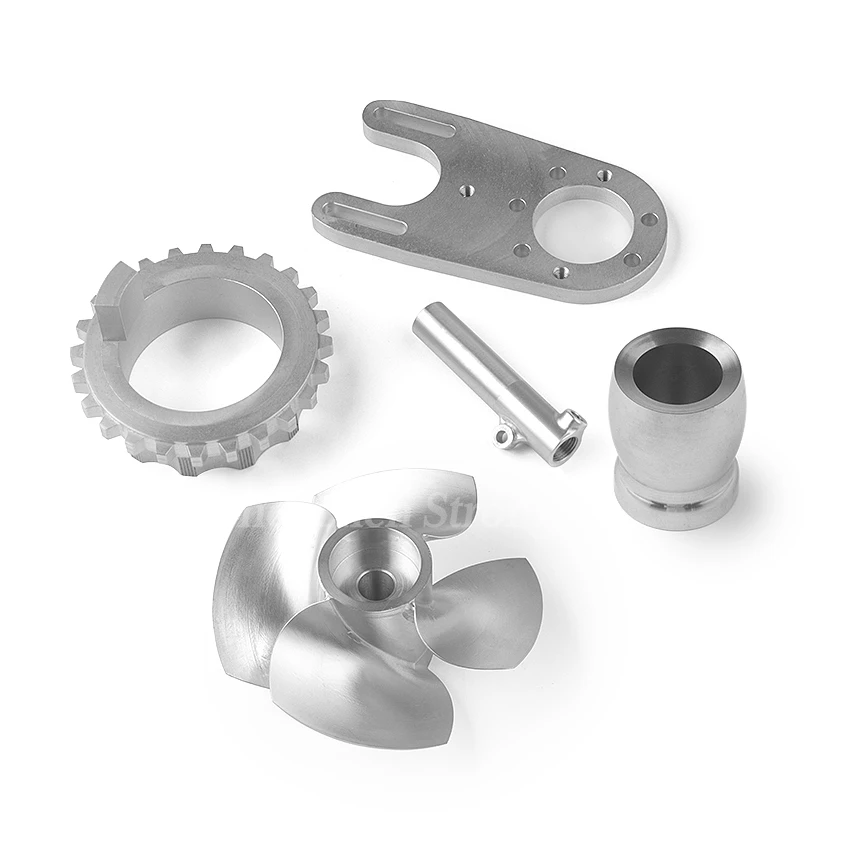
However, there is a trade - off between weight and durability. A very heavy shell may make the robot more cumbersome and less flexible, and it may also increase the stress on the robot's joints and actuators. Over time, this can lead to premature wear and tear, reducing the robot's lifespan. In contrast, a well - designed lightweight shell can still offer adequate protection while minimizing the additional stress on the robot's structure. Advanced materials and manufacturing techniques, such as CNC Milling Plastic Robotic Model, can be used to create lightweight yet strong shells that provide the best of both worlds.
Payload Capacity
The weight of the plastic robot shell affects the robot's payload capacity. Payload capacity refers to the maximum weight that a robot can carry in addition to its own weight. A heavier shell reduces the available payload capacity, as more of the robot's lifting power is used to support the shell itself. This can be a significant limitation in applications where the robot needs to carry heavy objects, such as in material handling or construction.
For example, a robotic arm used in a warehouse to lift and stack pallets will have a lower payload capacity if it has a heavy plastic shell. This means that it may not be able to handle larger or heavier pallets, reducing its efficiency and productivity. By using a lighter plastic shell, the robot can allocate more of its lifting power to the payload, increasing its overall capacity and performance.
Precision and Accuracy
In robotic applications that require high precision and accuracy, such as CNC machining or assembly, the weight of the plastic robot shell can also have an impact. A heavy shell can introduce additional inertia, which can make it more difficult for the robot to stop and start precisely. This can lead to errors in positioning and movement, affecting the quality of the work performed by the robot.
For instance, in CNC Robot Arms used for machining operations, a heavy shell may cause the arm to overshoot or undershoot the target position, resulting in inaccurate cuts or holes. A lighter shell, on the other hand, reduces the inertia and allows the robot to move more precisely, improving the overall accuracy of the machining process. Similarly, in robotic assembly applications, a lightweight shell can enhance the robot's ability to pick and place components with high precision, leading to better - quality products.
Design Considerations for Optimal Performance
As a plastic robot shell supplier, I understand the importance of finding the right balance between weight and performance. When designing a plastic robot shell, several factors need to be considered to ensure optimal performance.
First, the application of the robot plays a crucial role. Different applications have different requirements for mobility, durability, payload capacity, and precision. For example, a robot used in a cleanroom environment may require a lightweight and smooth - surfaced shell to minimize the generation of particles, while a robot used in an outdoor construction site may need a heavy - duty shell for protection.
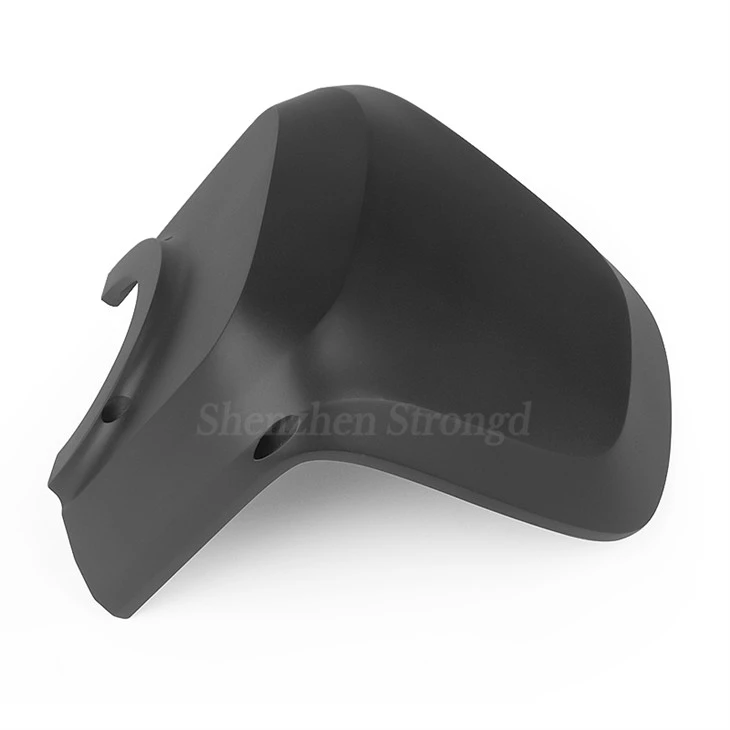

Second, the choice of materials is essential. There are various types of plastics available, each with its own properties in terms of strength, weight, and flexibility. For example, polycarbonate is known for its high impact resistance and transparency, while acrylonitrile butadiene styrene (ABS) is lightweight and easy to process. By selecting the appropriate material, we can optimize the weight and performance of the plastic robot shell.
Third, advanced manufacturing techniques can be used to create shells with complex geometries and lightweight structures. CNC 5axis Machining Robot Metal Parts technology, for example, allows for precise and efficient machining of plastic parts, enabling the production of thin - walled and lightweight shells without sacrificing strength.
Conclusion
In conclusion, the weight of a plastic robot shell has a profound impact on the robot's performance in terms of mobility, energy efficiency, structural integrity, payload capacity, and precision. As a plastic robot shell supplier, my goal is to provide our customers with shells that are not only lightweight but also meet the specific requirements of their robotic applications. By carefully considering the design, materials, and manufacturing techniques, we can create plastic robot shells that optimize the overall performance of the robot.
If you are in the market for high - quality plastic robot shells or have any questions about how the weight of the shell can affect your robot's performance, I encourage you to reach out to us. Our team of experts is ready to assist you in finding the perfect solution for your robotic needs. Let's work together to enhance the performance of your robots and drive innovation in the field of robotics.
References
- Siciliano, Bruno, and Oussama Khatib, eds. Springer Handbook of Robotics. Springer, 2016.
- Craig, John J. Introduction to Robotics: Mechanics and Control. Pearson, 2004.
- McCarthy, John M. Geometric Design of Linkages. Springer, 2018.