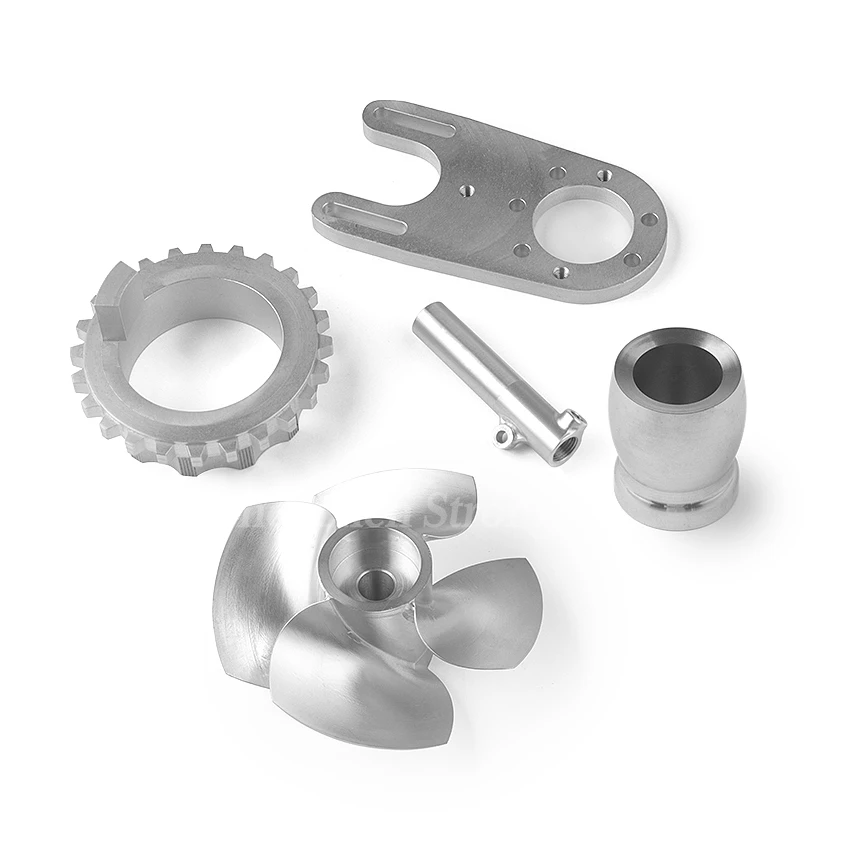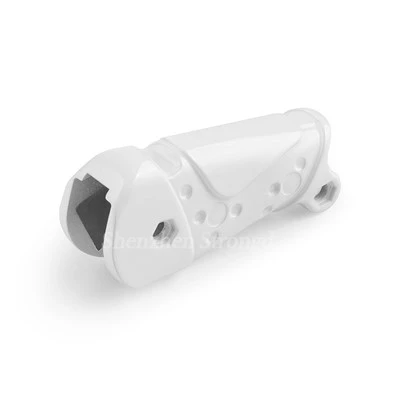

The time required to make vacuum casting parts can vary significantly depending on a multitude of factors. As a seasoned supplier of Vacuum Casting Parts, I've witnessed firsthand the dynamic nature of this process and how each project brings its own set of variables that influence the overall production timeline.
Understanding the Vacuum Casting Process
Before delving into the time estimates, it's essential to understand the fundamental steps involved in vacuum casting. Vacuum casting is a manufacturing process used to create high - quality, detailed parts from a master pattern. The process begins with the creation of a master pattern, which can be made through various methods such as 3D printing, CNC machining, or traditional mold - making techniques.
Once the master pattern is ready, a silicone mold is created around it. This involves mixing the silicone components, degassing the mixture in a vacuum chamber to remove air bubbles, and then pouring it over the master pattern. The silicone mold then needs to cure, which is a chemical reaction that turns the liquid silicone into a solid rubber - like material.
After the silicone mold has cured, the actual casting process takes place. Liquid resin is mixed, degassed, and then poured into the silicone mold under vacuum conditions to ensure that the resin fills all the details of the mold and that no air bubbles are trapped inside. The resin then cures, and the part is removed from the mold.

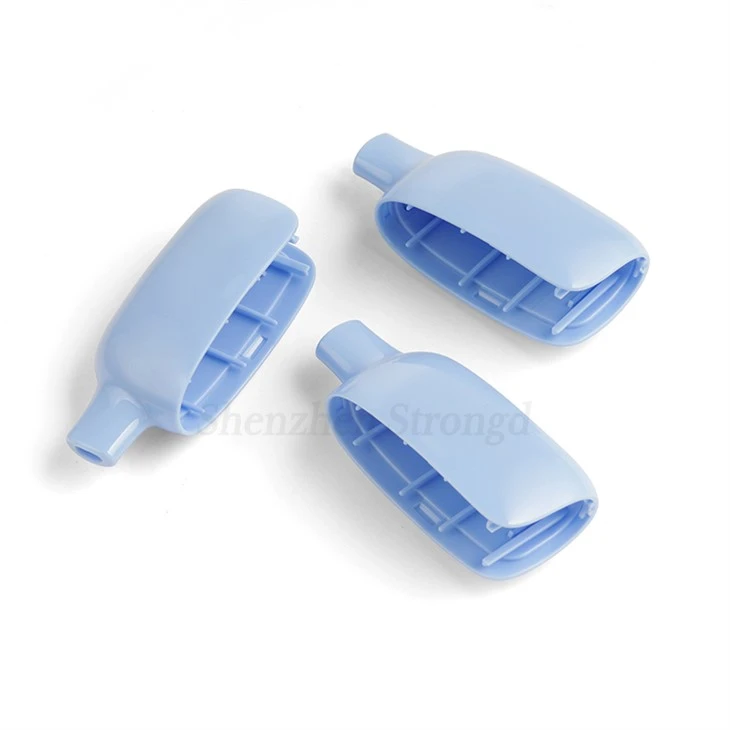
Factors Affecting the Production Time
Master Pattern Creation
The time to create the master pattern is highly dependent on its complexity and the method used. For simple geometries, 3D printing can be a quick option, taking anywhere from a few hours to a couple of days. For example, a small, relatively simple plastic part with basic shapes might take around 4 - 8 hours to print on a standard 3D printer. However, if the part has intricate details, thin walls, or large dimensions, the printing time can increase significantly, potentially taking up to 2 - 3 days.
CNC machining, on the other hand, is more suitable for parts that require high precision and smooth surfaces. The machining time depends on the material, the size of the part, and the complexity of the design. A small aluminum master pattern with moderate complexity might take 1 - 2 days to machine, while a larger, more complex part could take up to a week or more.
Silicone Mold Making
The process of making a silicone mold is relatively straightforward but still time - consuming. The mixing and degassing of the silicone typically take about 30 minutes to an hour, depending on the volume of the silicone required. After pouring the silicone over the master pattern, the curing time can vary. At room temperature, a typical silicone mold can take 12 - 24 hours to fully cure. However, some silicone materials can be accelerated with heat, reducing the curing time to 4 - 6 hours.
Casting and Resin Curing
The casting process itself is relatively quick. Mixing and degassing the resin usually take about 15 - 30 minutes. Pouring the resin into the mold and ensuring proper filling can take another 10 - 20 minutes. The resin curing time is highly dependent on the type of resin used. For some fast - curing resins, the parts can be demolded in as little as 30 minutes to an hour. However, for more durable and high - performance resins, the curing time can range from 4 - 8 hours at room temperature or can be accelerated to 1 - 2 hours with heat.
Quantity of Parts
The number of parts you need to produce also has a significant impact on the overall production time. If you only need a single part, the production time is mainly determined by the master pattern creation, mold making, and the first casting. However, if you need multiple parts, the time to make additional parts is mainly determined by the resin curing time. For example, if you need 10 parts and the resin curing time is 2 hours, it will take approximately 20 hours to produce all the parts, assuming you can cast one part at a time.
Typical Time Estimates
For a small - scale project with a simple master pattern and a low quantity of parts (say, 1 - 5 parts), the entire process from start to finish can take about 3 - 5 days. This includes 1 - 2 days for master pattern creation, 1 day for silicone mold making, and 1 - 2 days for casting and resin curing.
For a medium - scale project with a more complex master pattern and a larger quantity of parts (say, 10 - 20 parts), the production time can range from 5 - 10 days. The additional time is mainly due to the longer master pattern creation time, more time for mold making if a larger or more complex mold is required, and the cumulative time for casting multiple parts.
For large - scale projects with very complex master patterns and a high quantity of parts (say, over 50 parts), the production time can be 10 - 20 days or more. These projects often require more time for master pattern refinement, multiple molds to increase production efficiency, and a longer overall casting and curing process.
Quality Control and Post - Processing
It's important to note that quality control and post - processing are also integral parts of the production process and can add to the overall time. After the parts are removed from the mold, they need to be inspected for any defects such as air bubbles, surface imperfections, or dimensional inaccuracies. Minor defects can be repaired, which might take an additional few hours to a day depending on the number and severity of the defects.
Post - processing steps such as sanding, painting, or assembling the parts can also take time. Sanding to achieve a smooth surface finish can take a few hours for a small part and up to a couple of days for a large or complex part. Painting can take an additional 1 - 2 days, including drying time.
Specialized Vacuum Casting Parts
If you are interested in Vacuum Casting Soft Rapid Prototype or Vacuum Casting PC Parts, the production time can be slightly different. Soft rapid prototypes often require specific silicone molds and soft - feeling resins, which might have different curing times and processing requirements. PC parts, on the other hand, need resins with high - performance properties, which could lead to longer resin curing times and more strict quality control measures.
Conclusion
In conclusion, the time it takes to make vacuum casting parts is a complex equation that depends on multiple factors, including master pattern creation, silicone mold making, resin casting and curing, quantity of parts, quality control, and post - processing. As a professional Vacuum Casting Parts supplier, we are committed to providing accurate time estimates and high - quality products. If you have a project in mind, we encourage you to contact us for a detailed quote and to discuss your specific requirements. We look forward to working with you to bring your ideas to life.
References
- "Rapid Prototyping and Manufacturing: Fundamentals of Stereolithography" by Paul F. Jacobs.
- "Molding and Casting Handbook" by Michael W. Cullen.
- Industry reports on vacuum casting processes from leading manufacturing research firms.