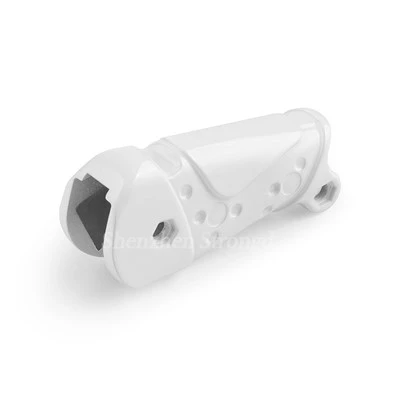

In the dynamic field of robotics, the quality and performance of a robot shell are crucial factors that significantly influence the overall functionality and durability of the robot. As a prominent supplier of plastic robot shells, we understand the importance of rigidity in these components. A rigid plastic robot shell not only provides structural integrity but also protects the internal components from external impacts and environmental factors. In this blog post, we will explore various effective strategies to enhance the rigidity of plastic robot shells, drawing on our extensive experience and in - depth knowledge of the industry.
Material Selection
The first step in making a plastic robot shell more rigid is choosing the right material. Different plastics have distinct mechanical properties, and selecting the appropriate one can make a substantial difference in the shell's rigidity.
High - Strength Plastics
Materials such as polycarbonate (PC) and acrylonitrile butadiene styrene (ABS) are popular choices for robot shells. Polycarbonate is known for its high impact resistance and excellent stiffness. It can withstand significant forces without deforming, making it ideal for applications where the robot may be exposed to rough handling or impacts. ABS, on the other hand, combines good strength, toughness, and processability. It has a relatively high modulus of elasticity, which contributes to its rigidity. When compared to other plastics, these high - strength materials offer better performance in terms of maintaining the shape of the robot shell under stress.
Fiber - Reinforced Plastics
Fiber - reinforced plastics (FRPs) are another excellent option for increasing rigidity. By adding fibers such as glass or carbon to the plastic matrix, the mechanical properties of the material can be significantly enhanced. Glass - fiber - reinforced plastics (GFRPs) are widely used in the robotics industry. The glass fibers act as reinforcement, increasing the stiffness and strength of the plastic. Carbon - fiber - reinforced plastics (CFRPs) offer even higher performance, with superior stiffness - to - weight ratios. However, they are generally more expensive than GFRPs. Incorporating FRPs into the manufacturing process of robot shells can result in a much more rigid and lightweight product.
Design Optimization
The design of the robot shell plays a vital role in its rigidity. A well - designed shell can distribute stress evenly and resist deformation more effectively.
Ribbing and Bosses
Adding ribs and bosses to the interior of the plastic robot shell is a common design technique to increase rigidity. Ribs are thin, vertical or horizontal structures that are integrated into the shell. They act as stiffeners, providing additional support and preventing the shell from flexing. Bosses, on the other hand, are small, raised cylindrical structures that can be used to mount components or provide additional strength at specific points. By strategically placing ribs and bosses, the overall stiffness of the shell can be significantly improved. For example, in areas where the shell is likely to experience high stress, such as around joints or mounting points, ribs and bosses can be added to reinforce the structure.
Geometric Shapes
The choice of geometric shapes can also impact the rigidity of the robot shell. Shapes such as triangles and arches are inherently more rigid than rectangles or squares. Incorporating triangular or arched features into the design of the shell can enhance its structural integrity. For instance, a robot shell with triangular cross - sections in certain areas can distribute stress more evenly and resist bending and twisting forces better. Additionally, using a curved or contoured design instead of a flat one can increase the shell's resistance to deformation.
Manufacturing Processes
The manufacturing process used to produce the plastic robot shell can have a significant impact on its rigidity.
Injection Molding
Injection molding is a widely used manufacturing process for plastic robot shells. It allows for the production of complex shapes with high precision. During the injection molding process, the plastic material is melted and injected into a mold cavity under high pressure. The pressure and cooling rate during molding can affect the molecular orientation of the plastic, which in turn influences its mechanical properties. By optimizing the injection molding parameters, such as the injection pressure, temperature, and cooling time, the rigidity of the final product can be improved. For example, a higher injection pressure can result in a more compact and uniform plastic structure, leading to increased stiffness.
CNC Machining
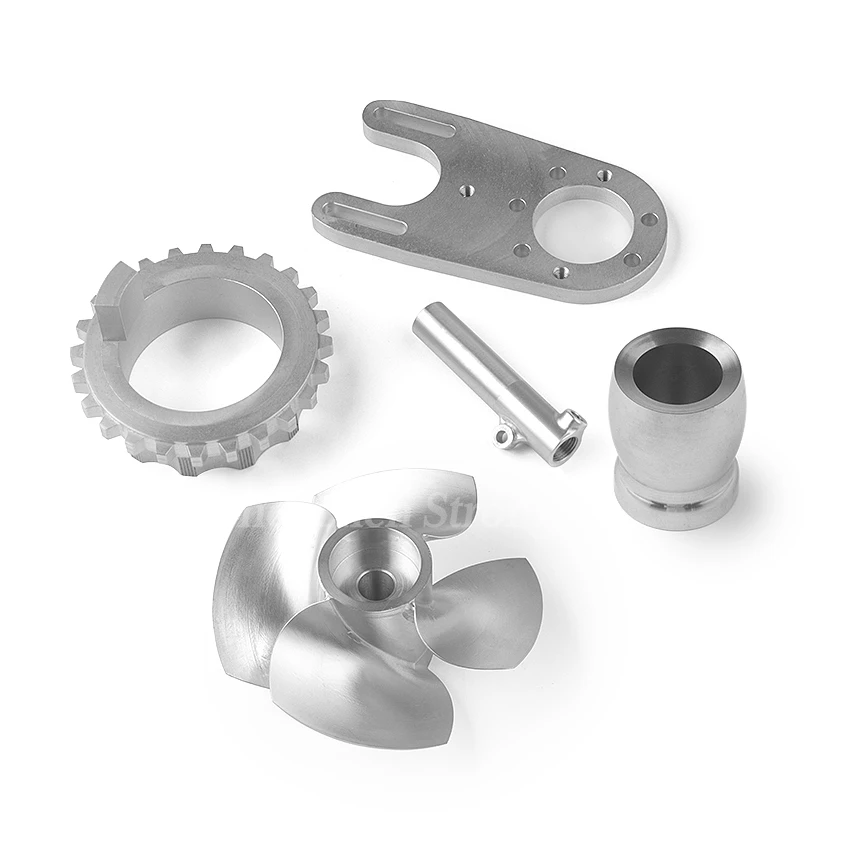
CNC (Computer Numerical Control) machining is another option for manufacturing plastic robot shells. It offers high accuracy and the ability to create custom - designed parts. CNC Robot Arms can be used in the CNC machining process to perform precise cutting, drilling, and milling operations on the plastic material. This process can produce parts with tight tolerances and excellent surface finish. When it comes to Robotic Parts Manufacturing, CNC machining can be used to create internal features such as ribs and bosses with high precision, further enhancing the rigidity of the robot shell.
CNC Milling Plastic Robotic Model
CNC milling is a specific type of CNC machining that is particularly useful for creating detailed and complex plastic robotic models. It can be used to mill the plastic material to the desired shape and size, while also ensuring high accuracy and surface quality. By using CNC milling for the production of robot shells, we can achieve a more precise and rigid product. The ability to control the cutting parameters in CNC milling allows for the optimization of the material removal process, which can have a positive impact on the mechanical properties of the shell.
Post - Processing Treatments
After the robot shell is manufactured, certain post - processing treatments can be applied to further increase its rigidity.
Annealing
Annealing is a heat treatment process that involves heating the plastic part to a specific temperature and then slowly cooling it. This process can relieve internal stresses that are generated during the manufacturing process, such as injection molding or machining. By reducing internal stresses, the plastic becomes more stable and less prone to deformation. Annealing can also improve the crystallinity of the plastic, which can enhance its mechanical properties, including rigidity.
Coating
Applying a coating to the surface of the plastic robot shell can also contribute to its rigidity. Some coatings can provide an additional layer of protection and reinforcement. For example, a hard - coating can increase the abrasion resistance and stiffness of the shell. It can also act as a barrier against environmental factors such as moisture and chemicals, which can degrade the plastic over time.
Quality Control
Maintaining strict quality control measures throughout the manufacturing process is essential to ensure the rigidity of the plastic robot shells.
Material Testing
Before using the plastic material in production, it is important to conduct material testing to verify its mechanical properties. This can include tests such as tensile strength, flexural strength, and modulus of elasticity. By ensuring that the material meets the required specifications, we can guarantee the quality and rigidity of the final product.
Dimensional Inspection
Dimensional inspection is another crucial aspect of quality control. The robot shell must meet the specified dimensions and tolerances to ensure proper fit and functionality. Any dimensional deviations can affect the rigidity of the shell, as it may not be able to distribute stress evenly. Using precision measurement tools and techniques, we can ensure that the shell is manufactured to the correct dimensions.
In conclusion, making a plastic robot shell more rigid requires a comprehensive approach that involves material selection, design optimization, appropriate manufacturing processes, post - processing treatments, and strict quality control. As a leading supplier of plastic robot shells, we are committed to providing our customers with high - quality, rigid shells that meet their specific requirements. Whether you are in need of CNC Robot Arms, Robotic Parts Manufacturing, or CNC Milling Plastic Robotic Model, we have the expertise and resources to deliver the best solutions. If you are interested in our products or have any questions regarding the rigidity of plastic robot shells, please feel free to contact us to start a procurement discussion.


References
- Callister, W. D., & Rethwisch, D. G. (2011). Materials Science and Engineering: An Introduction. Wiley.
- Ashby, M. F. (2011). Materials Selection in Mechanical Design. Butterworth - Heinemann.
- Dieter, G. E. (1986). Engineering Design: A Materials and Processing Approach. McGraw - Hill.