
As a provider of CNC robot arms, I understand the critical importance of optimizing their performance. In this blog post, I'll share some key strategies and insights that can help you get the most out of your CNC robot arms.


1. Understanding the Basics of CNC Robot Arm Performance
Before diving into optimization techniques, it's essential to have a clear understanding of what factors contribute to the performance of a CNC robot arm. The performance can be evaluated from multiple aspects, including precision, speed, repeatability, and payload capacity.
Precision refers to how accurately the robot arm can position its end - effector at a specific point in space. High precision is crucial, especially in applications such as micro - machining or electronics assembly. Speed determines how quickly the robot arm can move between different positions, which directly affects the overall productivity of the manufacturing process. Repeatability measures the ability of the robot arm to return to the same position repeatedly, and a high - repeatability robot arm ensures consistent quality in mass production. Payload capacity is the maximum weight that the robot arm can carry, and it needs to be carefully considered based on the application requirements.
2. Mechanical Optimization
2.1 Component Selection
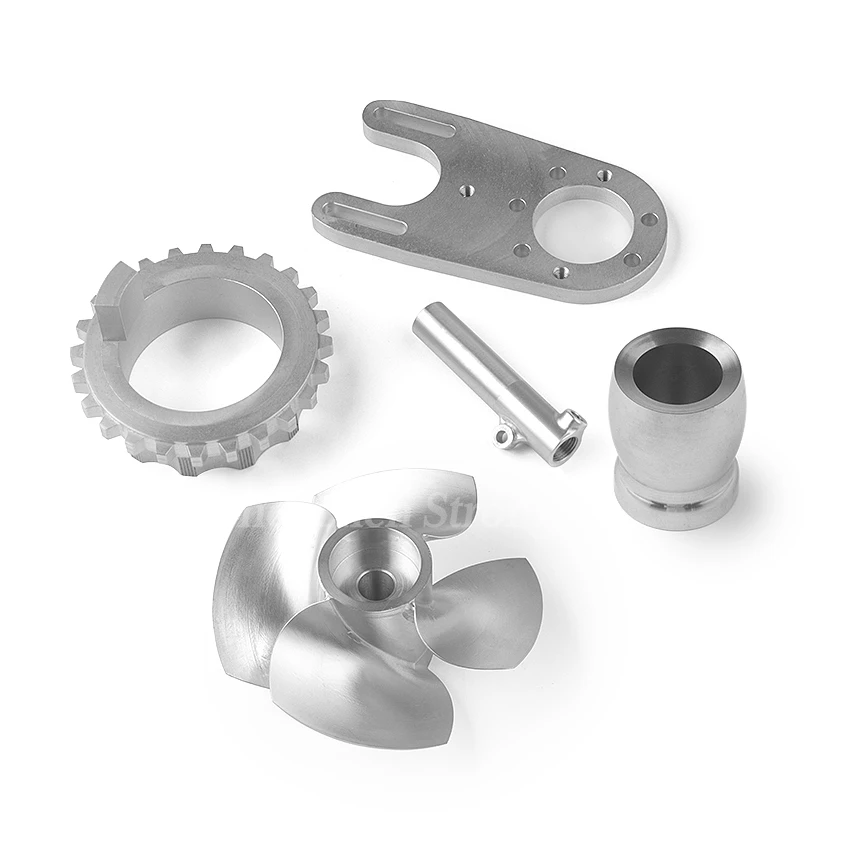
The quality of the components used in the robot arm has a significant impact on its performance. For robotic parts manufacturing, choosing high - quality materials and well - engineered components is essential. You can find more information about Robotic Parts Manufacturing. High - precision bearings, for example, can reduce friction and improve the smoothness of movement. The gears and belts should also be of high quality to ensure accurate power transmission.
2.2 Maintenance and Lubrication
Regular maintenance is crucial for the long - term performance of the robot arm. This includes checking for loose bolts, worn - out parts, and proper alignment. Lubrication of moving parts is also vital. Using the right lubricant can reduce friction, prevent wear and tear, and extend the lifespan of the components. For instance, the joints of the robot arm need to be lubricated regularly to ensure smooth rotation.
2.3 Body Design
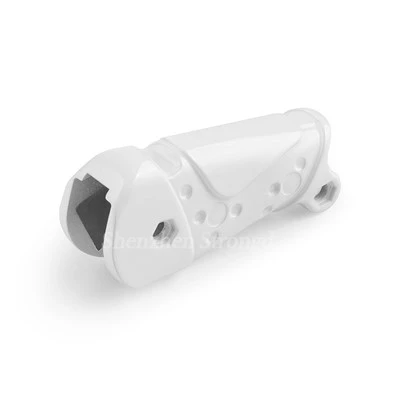
The design of the robot arm's body can affect its performance. Lightweight yet strong materials can be used to reduce the overall weight of the arm without sacrificing its structural integrity. Plastic Robot Body Parts are a good option as they are often lightweight and can be precisely manufactured using CNC techniques. A well - designed body can also improve the balance of the robot arm, which is beneficial for both precision and speed.
3. Electrical and Control System Optimization
3.1 Motor Selection and Tuning
The motors are the power source of the robot arm, and their performance directly affects the movement of the arm. Selecting the right motors with appropriate torque and speed characteristics is crucial. Additionally, motor tuning is necessary to ensure that the motors operate at their optimal efficiency. This may involve adjusting the motor's acceleration and deceleration profiles to match the specific application requirements.
3.2 Control Algorithm Optimization
The control algorithm is the brain of the robot arm, which determines how the arm moves and performs tasks. Advanced control algorithms can improve the precision and speed of the robot arm. For example, using feedback control systems can continuously monitor the position and movement of the arm and make real - time adjustments to correct any errors. Model - based control algorithms can also be used to predict the behavior of the robot arm and optimize its movement.
3.3 Software Updates
Regular software updates are essential for the performance of the robot arm. Software developers often release updates to fix bugs, improve functionality, and enhance performance. By keeping the software of the robot arm up - to - date, you can ensure that it benefits from the latest technological advancements.
4. Application - Specific Optimization
4.1 Task Analysis
Before using the robot arm, it's important to conduct a detailed task analysis. Understand the specific requirements of the task, such as the required precision, speed, and payload. Based on this analysis, you can optimize the robot arm's settings and programming. For example, if the task requires high - precision positioning, you may need to adjust the control parameters to improve the accuracy of the arm.
4.2 Programming Optimization
The programming of the robot arm plays a crucial role in its performance. Efficient programming can reduce the cycle time and improve the overall productivity. For example, using optimized path planning algorithms can minimize the distance that the robot arm needs to travel between different positions. Additionally, programming the robot arm to perform multiple tasks simultaneously can also improve efficiency.
4.3 Integration with Other Equipment
In many manufacturing processes, the robot arm needs to be integrated with other equipment, such as CNC milling machines. When integrating the robot arm with a CNC Milling Plastic Robotic Model, it's important to ensure that the communication between the two systems is seamless. This may involve using standard communication protocols and ensuring that the timing and coordination between the robot arm and the milling machine are correct.
5. Training and Operator Skills
5.1 Operator Training
Even with the most advanced robot arm, its performance can be limited if the operators are not properly trained. Providing comprehensive training to the operators on how to operate, maintain, and troubleshoot the robot arm is essential. Operators should be familiar with the control panel, programming interface, and safety procedures of the robot arm.
5.2 Skill Development
Encouraging operators to continuously develop their skills can also improve the performance of the robot arm. This can include attending training courses, participating in workshops, and learning about the latest trends and technologies in the field of CNC robot arms.
6. Monitoring and Feedback
6.1 Performance Monitoring
Implementing a performance monitoring system can help you keep track of the robot arm's performance over time. This system can collect data on various parameters, such as position, speed, and torque. By analyzing this data, you can identify any potential issues early and take proactive measures to address them.
6.2 Feedback Loop
Establishing a feedback loop between the operators, maintenance personnel, and the engineering team is crucial. Operators can provide feedback on the actual performance of the robot arm in the production environment, and maintenance personnel can report any issues they encounter during maintenance. The engineering team can then use this feedback to make further optimizations to the robot arm.
Conclusion
Optimizing the performance of a CNC robot arm is a comprehensive process that involves mechanical, electrical, and control system aspects, as well as application - specific considerations and operator skills. By following the strategies outlined in this blog post, you can significantly improve the precision, speed, and overall performance of your CNC robot arm.
If you are interested in purchasing high - performance CNC robot arms or need further advice on optimization, please feel free to contact us for a detailed discussion. We are committed to providing you with the best solutions for your manufacturing needs.
References
- "Robotics: Modelling, Planning and Control" by Bruno Siciliano, Lorenzo Sciavicco, Luigi Villani, and Giuseppe Oriolo.
- "Industrial Robotics: Technology, Programming, and Applications" by Peter Corke.