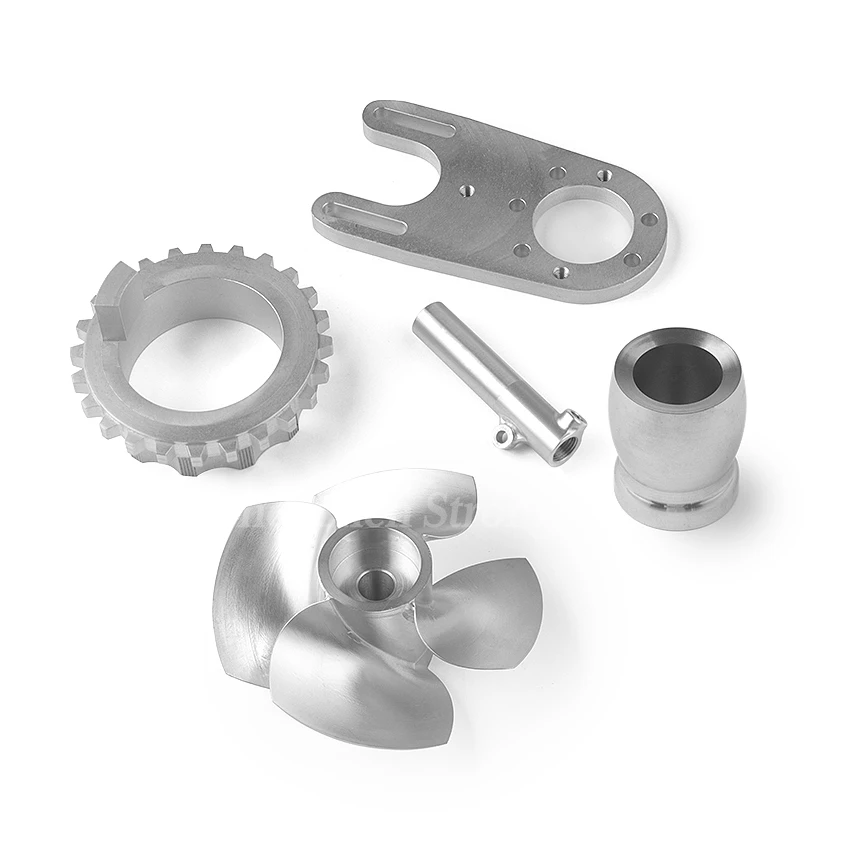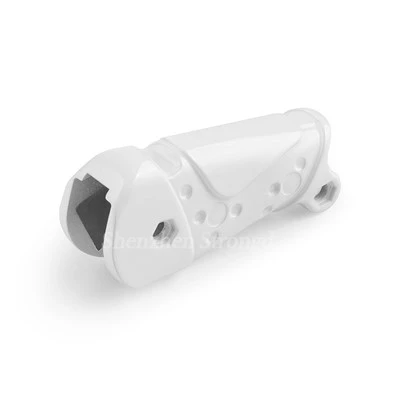

As a provider of SLA 3D printing services, I understand the importance of proper resin storage in ensuring the quality and longevity of our printing materials. Resin is a critical component in SLA 3D printing, and its storage conditions can significantly impact the final print quality and the overall efficiency of the printing process. In this blog post, I will share some essential tips on how to store the resin used in SLA 3D printing services.
Understanding the Properties of SLA Resin
Before delving into the storage methods, it's important to understand the properties of SLA resin. SLA resins are photosensitive polymers that cure when exposed to ultraviolet (UV) light. They are sensitive to various environmental factors, including light, temperature, humidity, and air exposure. These factors can cause the resin to degrade, change its viscosity, or even prematurely cure, leading to sub - optimal print results.
Light Protection
One of the most critical factors in resin storage is protecting it from light, especially UV light. UV light can trigger the curing process of the resin, causing it to harden inside the container. To prevent this, store the resin in opaque containers. Most resin manufacturers provide their products in dark - colored bottles, which are designed to block out UV light. If you transfer the resin to another container, make sure it is opaque.
Additionally, store the resin in a dark place. A cabinet or a closet away from direct sunlight is an ideal location. Avoid leaving the resin on a workbench or near a window where it can be exposed to natural or artificial UV light. Some 3D printing facilities use light - tight storage boxes specifically designed for resin storage.
Temperature Control
Temperature plays a vital role in resin storage. Extreme temperatures can cause the resin to change its viscosity. High temperatures can make the resin thinner, while low temperatures can make it thicker. Both scenarios can affect the printing process.
The ideal temperature range for storing SLA resin is typically between 20°C and 25°C (68°F - 77°F). Most indoor environments fall within this range, but if your workspace is subject to significant temperature fluctuations, you may need to take additional measures. For example, in a cold climate, you can use a small space heater in the storage area to maintain a stable temperature. In a hot climate, an air - conditioning unit can help keep the temperature in check.
It's also important to avoid sudden temperature changes. For instance, if you take a cold resin bottle from a refrigerator and expose it to a warm environment immediately, condensation can form inside the bottle, which can contaminate the resin. Allow the resin to gradually reach room temperature before using it.
Humidity Management
Humidity can also have a negative impact on SLA resin. High humidity levels can introduce moisture into the resin, which can affect its chemical properties and cause issues during the printing process. Moisture can lead to poor layer adhesion, surface defects, and even clumping of the resin.
To manage humidity, store the resin in a dry environment. You can use a dehumidifier in the storage area if the humidity is consistently high. Desiccant packs can also be placed inside the resin storage container to absorb any moisture. Make sure to replace the desiccant packs regularly to ensure their effectiveness.
Air Exposure
Minimizing air exposure is another key aspect of resin storage. Air contains oxygen, which can react with the resin over time and cause oxidation. Oxidation can change the chemical composition of the resin, leading to a decrease in its quality.
Keep the resin containers tightly sealed when not in use. Some resin containers come with air - tight lids, which are designed to prevent air from entering. If you transfer the resin to a different container, make sure it has a good - fitting lid. When pouring resin into the printer's resin tank, try to minimize the time the container is open.
Contamination Prevention
Contamination can occur in several ways, such as introducing foreign particles or cross - contaminating different types of resins. To prevent contamination, always use clean tools when handling the resin. For example, use a clean spatula or syringe to transfer the resin from the container to the printer's tank.
If you are using multiple types of resins, label the containers clearly to avoid confusion. Do not mix different resins together, as they may have different chemical properties and curing requirements.
Long - Term Storage
If you need to store the resin for an extended period, there are some additional steps you can take. First, make sure the resin is in a full container. A full container has less air space, which reduces the risk of oxidation. If the container is not full, you can transfer the resin to a smaller container to minimize the air volume inside.
Before long - term storage, it's a good idea to filter the resin to remove any impurities or partially cured particles. You can use a fine - mesh filter for this purpose. This helps ensure that the resin remains in good condition during the storage period.
Conclusion
Proper resin storage is essential for maintaining the quality of SLA 3D printing materials. By protecting the resin from light, controlling the temperature and humidity, minimizing air exposure, and preventing contamination, you can ensure that the resin remains in optimal condition for a longer time. This, in turn, leads to better print quality, fewer printing issues, and cost savings in the long run.
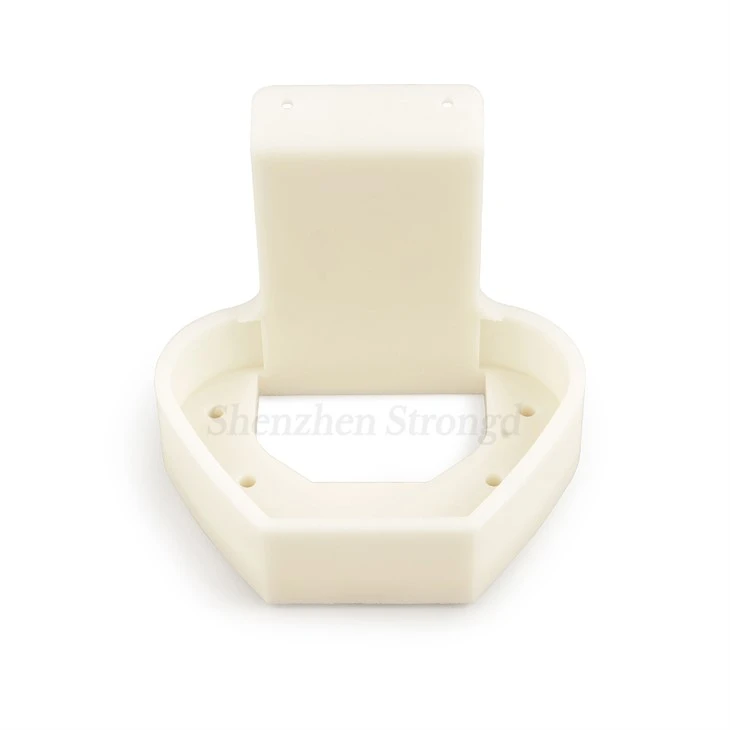
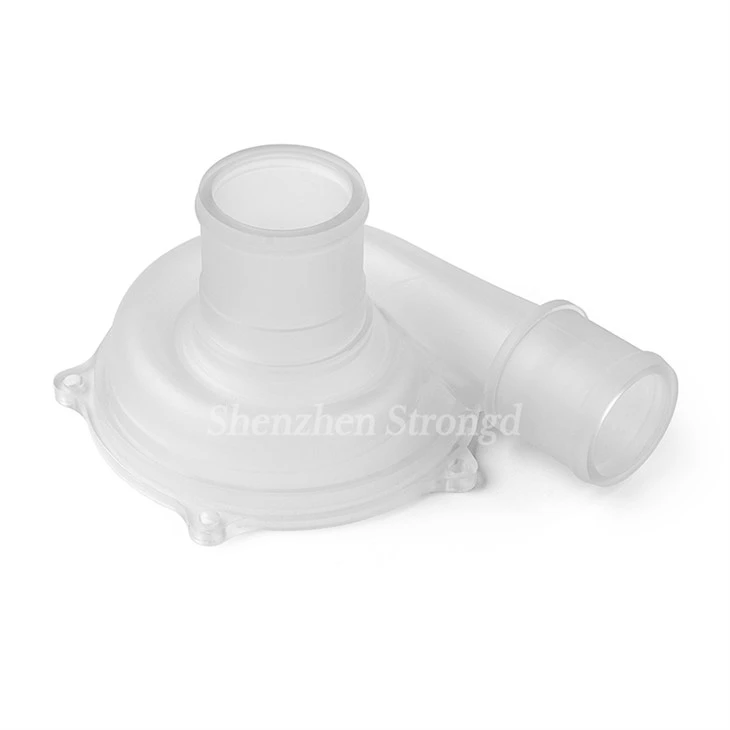
If you are interested in our 3D Printing Service ABS Plastic Rapid Prototype, SLA 3D Model Making, or SLA 3D Printing Pc Parts, please feel free to contact us for more information and to discuss your specific requirements. We are committed to providing high - quality 3D printing services and ensuring that our customers get the best results from our products.
References
- 3D Printing Resin Storage Guide - Industry Best Practices.
- Manufacturer's Instructions for Various SLA Resins.
- Research Papers on the Effects of Environmental Factors on SLA Resin Properties.