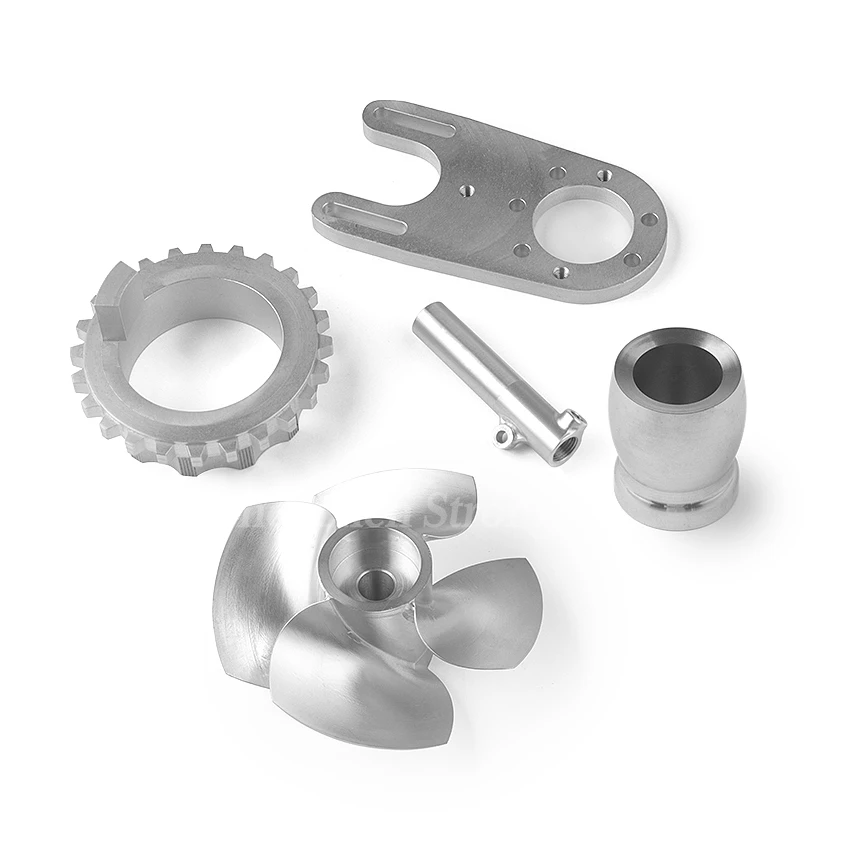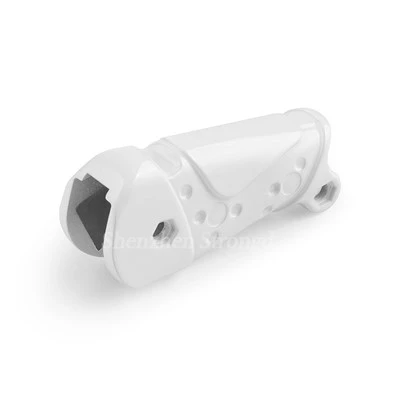

As a supplier of Metal Robot Body Parts, I've had the privilege of witnessing firsthand the diverse aesthetic impacts different metals bring to robot design. The choice of metal for robot body parts is not merely a matter of functionality; it significantly influences the overall aesthetic appeal, which in turn can affect user perception, marketability, and even the intended application of the robot. In this blog, I'll explore the aesthetic differences between various metals commonly used in robot body parts.
Stainless Steel: Sleek and Modern
Stainless steel is a popular choice for robot body parts due to its corrosion resistance, durability, and distinct aesthetic qualities. Its smooth, reflective surface gives robots a sleek and modern appearance. The high - gloss finish of polished stainless steel can create a sense of sophistication and precision, making it ideal for robots in high - tech and professional environments.
For example, in industrial settings, robots with stainless - steel body parts exude an air of reliability and advanced technology. The clean lines and shiny surface of stainless steel not only look good but also convey a message of high - quality engineering. Stainless steel's neutral color, typically a silver - gray, allows it to blend well with other materials and colors, providing flexibility in robot design.
In addition, the reflective nature of stainless steel can interact interestingly with light. When placed in a well - lit environment, it can create dynamic highlights and shadows, adding depth and visual interest to the robot's form. This play of light can enhance the overall aesthetic experience, making the robot more engaging to look at.
However, stainless steel can also have a somewhat cold and sterile aesthetic. In some cases, where a warmer or more approachable look is desired, additional design elements or coatings may be needed to soften its appearance.
Aluminum: Light and Contemporary
Aluminum is another widely used metal in robot body parts. It is known for its lightweight properties, which are beneficial for improving the robot's mobility and energy efficiency. From an aesthetic perspective, aluminum offers a contemporary and clean look.
Aluminum has a natural matte finish that gives robots a subdued and understated appearance. This can be particularly appealing in consumer - facing robots, where a less obtrusive and more friendly aesthetic is often desired. The light - weight nature of aluminum also allows for more intricate and delicate designs, as the material can be easily machined into complex shapes.
One of the advantages of aluminum is its ability to be anodized. Anodizing is a process that creates a protective oxide layer on the surface of the aluminum, which can also be dyed in a variety of colors. This means that robots with aluminum body parts can be customized with a wide range of colors, from bright and bold to more muted and earthy tones. This color - customization option adds a new dimension to the aesthetic possibilities of aluminum robots.
For instance, an Aluminium Robot Chassis can be anodized in a vibrant color to make the robot stand out in a retail or educational setting, or in a more neutral color for a more professional and serious look.
Titanium: Strong and Exotic
Titanium is a high - performance metal that offers exceptional strength - to - weight ratio. It is often used in applications where durability and reliability are of utmost importance. In terms of aesthetics, titanium has a unique and exotic appeal.
Titanium has a distinct gray - blue color that is different from the more common silver - gray of stainless steel and aluminum. This color gives robots a sense of exclusivity and high - end quality. The surface finish of titanium can range from a smooth, polished look to a more textured and brushed finish, each with its own aesthetic effect.
A polished titanium surface can be highly reflective, similar to stainless steel, but with its own characteristic color undertone. This can create a very striking and eye - catching appearance, especially when combined with other materials or design elements. On the other hand, a brushed titanium finish adds a sense of ruggedness and industrial charm, which can be suitable for robots designed for harsh environments or heavy - duty applications.
However, titanium is more expensive than stainless steel and aluminum, which may limit its use in some mass - market applications. But for high - end or specialized robots, the aesthetic and performance benefits of titanium can justify the cost.
Copper: Warm and Organic
Copper is a less common choice for robot body parts but offers a unique aesthetic that stands out from the more traditional metals. Copper has a warm, reddish - brown color that gives robots a more organic and natural look.
Over time, copper develops a patina, which is a thin layer of oxidation on the surface. This patina can change the color of the copper from its original bright red to a more greenish - brown or even a deep blue - green, depending on the environmental conditions. The development of a patina adds a sense of history and character to the robot, making it look like a living, evolving object.
In some cases, the patina on copper can be intentionally accelerated or controlled through chemical treatments to achieve a specific aesthetic effect. For example, a robot with a copper body part that has been treated to have a rich, dark patina can have a very antique and elegant look, which may be suitable for art installations or high - end decorative robots.
Copper's softness compared to other metals also allows for more malleability in design. It can be easily shaped into curves and flowing forms, which can add a sense of fluidity and grace to the robot's appearance.
Comparing Aesthetics in Different Applications
The aesthetic differences between these metals become even more apparent when considering different robot applications.
In the field of surgical robots, Surgical Robots Parts often require a clean, sterile, and high - tech aesthetic. Stainless steel is a popular choice here because its smooth surface is easy to clean and disinfect, and its modern appearance conveys a sense of precision and reliability. The reflective surface can also help in a well - lit surgical environment, and the neutral color doesn't cause visual distractions.
For consumer robots, such as home - cleaning robots or educational robots, aluminum may be a better option. Its lightweight and customizable nature allow for a more friendly and approachable design. The ability to anodize aluminum in different colors can make the robot more appealing to consumers, especially in a market where aesthetics play an important role in purchasing decisions.
Industrial robots, which are often used in harsh and heavy - duty environments, may benefit from the strength and rugged aesthetic of titanium or the durability and practicality of stainless steel. The choice between these two metals may depend on factors such as the specific tasks the robot needs to perform, the budget, and the overall design concept.
The Role of Surface Finishes
Surface finishes play a crucial role in enhancing the aesthetic qualities of different metals in robot body parts. As mentioned earlier, polished finishes can create a shiny and reflective look, while brushed finishes add a more textured and industrial feel.


In addition to these common finishes, there are also other specialized surface treatments available. For example, powder coating can be applied to metals to give them a smooth, durable, and colorful finish. Powder coating can be used to achieve a wide range of colors and textures, and it provides an additional layer of protection against corrosion and wear.
Electroplating is another option, where a thin layer of another metal is deposited onto the surface of the base metal. This can change the color and appearance of the metal, as well as improve its corrosion resistance. For example, nickel electroplating can give a metal a bright, silver - like finish, while gold electroplating can add a luxurious and high - end look.
Conclusion
In conclusion, the choice of metal for robot body parts has a profound impact on the overall aesthetic of the robot. Each metal - stainless steel, aluminum, titanium, and copper - offers unique aesthetic qualities that can be tailored to different applications and design concepts. Whether it's the sleek and modern look of stainless steel, the light and contemporary appeal of aluminum, the strong and exotic nature of titanium, or the warm and organic feel of copper, the right choice of metal can enhance the robot's visual appeal, user perception, and marketability.
As a supplier of Metal Robot Body Parts, I understand the importance of these aesthetic differences and can work with you to select the most suitable metal and surface finish for your robot design. If you're interested in exploring our range of Mechanical Robotic Parts or have specific requirements for your robot project, I encourage you to reach out to us. We're here to help you bring your innovative robot designs to life with the perfect combination of functionality and aesthetics.
References
Callister, W. D., & Rethwisch, D. G. (2017). Materials Science and Engineering: An Introduction. Wiley.
Ashby, M. F. (2011). Materials Selection in Mechanical Design. Butterworth - Heinemann.