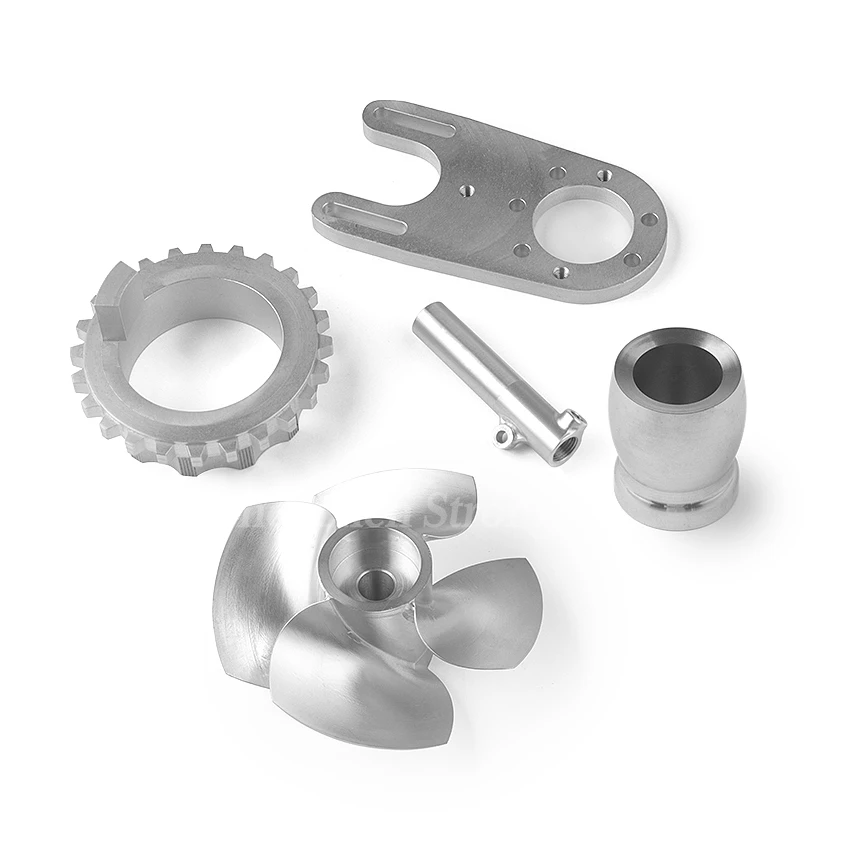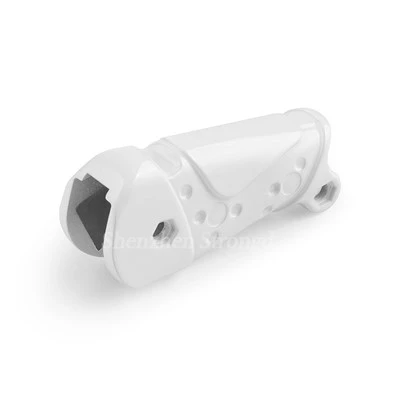

Hey there! I'm a supplier of CNC parts, and I've been in this game for quite a while. Over the years, I've seen a wide variety of materials being used for CNC parts. In this blog, I'm gonna share with you some of the most common materials we work with.
1. Aluminum
Aluminum is hands - down one of the most popular materials for CNC parts. It's lightweight, which makes it perfect for applications where weight is a concern, like in the aerospace and automotive industries. You know, airplanes and cars need to be as light as possible to improve fuel efficiency.
Another great thing about aluminum is its excellent corrosion resistance. It can withstand harsh environments without rusting away. This makes it ideal for outdoor applications or parts that will be exposed to moisture.
There are different grades of aluminum, too. For example, 6061 aluminum is super versatile. It's easy to machine, which means we can create complex shapes with precision. And it has good strength - to - weight ratio. We often use it for making frames, brackets, and even some consumer electronics parts.


If you're looking for something with a bit more strength, 7075 aluminum might be the way to go. It's used in high - stress applications, like in the construction of aircraft wings. We offer CNC Anodized Colorful Aluminum Parts, which not only have the functionality of aluminum but also come in various colors through anodizing. This is great for both aesthetic and functional purposes, like for parts that need to be easily distinguishable.
2. Steel
Steel is a classic material for CNC parts. It's known for its high strength and durability. There are different types of steel, each with its own properties.
Carbon steel is one of the most common types. It's relatively inexpensive and has good strength. We use it for making parts that need to withstand heavy loads, like gears, shafts, and bolts. However, carbon steel is prone to rusting, so it usually needs some form of surface treatment, like painting or galvanizing.
Stainless steel, on the other hand, is corrosion - resistant. It contains chromium, which forms a thin oxide layer on the surface, protecting it from rust. We often use stainless steel for parts in the food and beverage industry, medical equipment, and marine applications. For example, in a kitchen, you'll find many stainless - steel CNC - machined parts like handles and hinges.
Alloy steel is a type of steel that has other elements added to it, like nickel, chromium, or molybdenum, to enhance its properties. It can have better strength, toughness, and wear resistance. Alloy steel is used in high - performance applications, such as in the automotive engine components.
3. Brass
Brass is an alloy of copper and zinc. It has a beautiful golden - like appearance, which makes it popular for decorative parts. But it's not just about looks; brass also has some great functional properties.
It's easy to machine, which means we can produce parts with high precision and a smooth finish. Brass has good electrical conductivity, so it's often used in electrical components, like connectors and terminals.
We offer CNC Brass Milling Parts. These parts are made with high - quality brass and are suitable for a wide range of applications. Whether you need small, intricate parts or larger components, we can handle it.
Brass also has good corrosion resistance, especially in certain environments. It's commonly used in plumbing fixtures because it can resist the corrosion caused by water.
4. Plastic
Plastic is becoming more and more popular for CNC parts. There are many different types of plastics, each with its own unique properties.
Acrylic is a clear plastic that's often used for making display cases, signs, and optical components. It's easy to machine and can be polished to a high - gloss finish. It's also lightweight and has good impact resistance.
Nylon is a strong and flexible plastic. It has good wear resistance and is often used for making gears, bushings, and bearings. Nylon can withstand high - stress applications and has low friction, which makes it ideal for moving parts.
Polycarbonate is another tough plastic. It has excellent impact resistance, even better than acrylic in some cases. It's used in applications where safety is a concern, like in bullet - resistant windows and protective shields.
Plastic parts are generally cheaper to produce compared to metal parts, especially for large - volume production. And they can be easily customized in terms of color and shape.
5. Titanium
Titanium is a high - performance material. It has an extremely high strength - to - weight ratio, even better than steel. This makes it perfect for aerospace applications, where every ounce of weight matters.
Titanium is also highly corrosion - resistant. It can withstand harsh chemical environments and is often used in the medical and marine industries. In the medical field, titanium is used for making implants because it's biocompatible, which means the human body doesn't reject it.
However, titanium is more expensive and harder to machine compared to other materials. But the benefits it offers in terms of performance make it worth the cost for certain applications.
Why Choose Us as Your CNC Parts Supplier?
We have a team of experienced engineers and technicians who know how to work with these different materials. We use state - of - the - art CNC machines to ensure high precision and quality in every part we produce.
Whether you need a single prototype or large - scale production, we can handle it. We offer competitive pricing and fast turnaround times. Our quality control process is rigorous, so you can be sure that the parts you receive will meet your specifications.
If you're interested in any of the materials I've mentioned or have a specific project in mind, don't hesitate to reach out. We're here to help you with all your CNC parts needs. We can provide you with quotes, samples, and technical advice. So, let's start a conversation and see how we can work together to bring your project to life.
References
- ASM Handbook Volume 2: Properties and Selection: Nonferrous Alloys and Special - Purpose Materials
- Machining of Engineering Materials by Peter Oxley
- Plastics Materials by J. A. Brydson