
Precision machining is a critical process in various industries, from aerospace and automotive to medical and electronics. As a precision machining supplier, we understand the importance of considering multiple factors during the design phase to ensure the production of high - quality, accurate, and cost - effective parts. In this blog, we will explore the key design considerations in precision machining.
Material Selection
The choice of material is fundamental in precision machining. Different materials have distinct properties such as hardness, ductility, thermal conductivity, and corrosion resistance, which significantly impact the machining process and the final part performance.
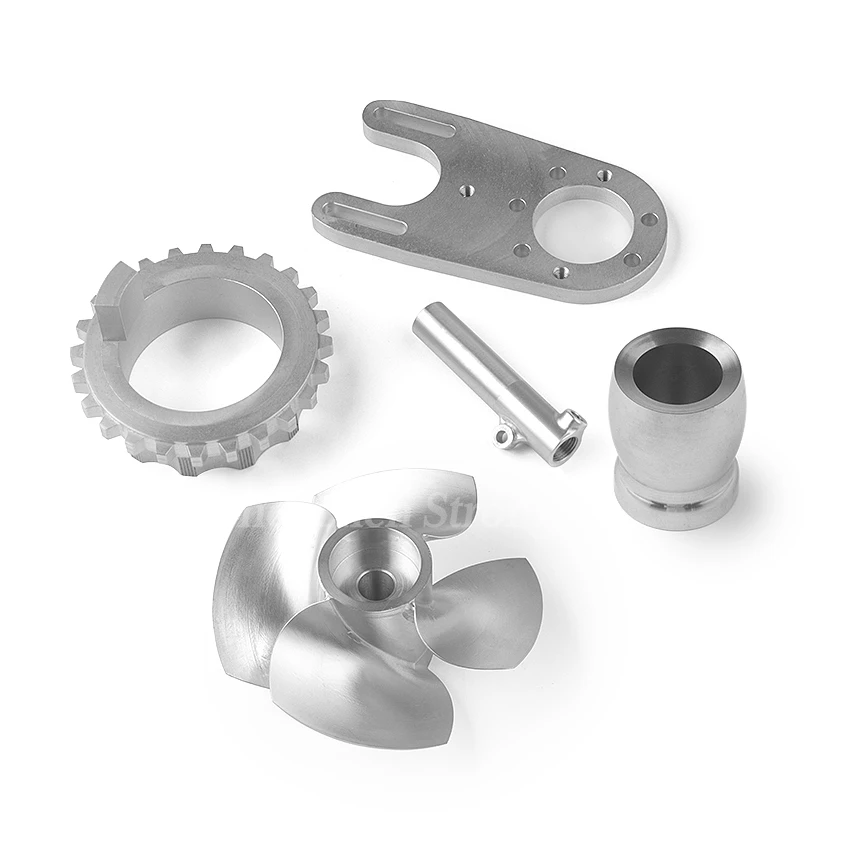
For instance, aluminum is a popular choice in many applications due to its lightweight, good machinability, and excellent corrosion resistance. Our CNC Turning Aluminum Parts service takes full advantage of these properties. Aluminum can be easily machined into complex shapes with high precision, making it suitable for parts in the aerospace and automotive industries.
On the other hand, stainless steel is known for its high strength and corrosion resistance. However, it is also more difficult to machine compared to aluminum. When designing parts made of stainless steel, we need to consider the tooling requirements and machining parameters carefully to avoid excessive tool wear and ensure dimensional accuracy.
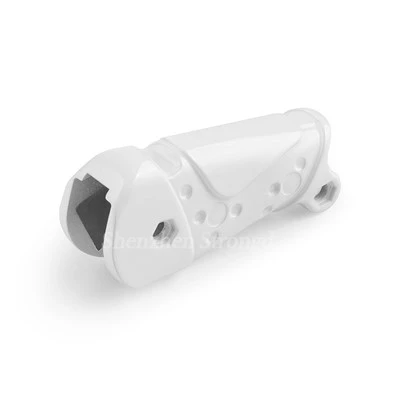
Plastics are another category of materials commonly used in precision machining. CNC Plastic Prototype services allow for the rapid production of prototypes with different plastic materials. Plastics offer advantages such as low cost, ease of machining, and the ability to be molded into various shapes. But we must also take into account their thermal expansion characteristics and potential for deformation during machining.
Dimensional Tolerance
Dimensional tolerance refers to the allowable variation in the size of a machined part. In precision machining, tight tolerances are often required to ensure the proper fit and function of the part. However, achieving tight tolerances comes at a cost, as it requires more precise machining equipment, higher - skilled operators, and longer machining times.
When designing a part, it is crucial to specify the appropriate dimensional tolerances based on the part's function. For example, in the medical industry, parts such as surgical instruments may require extremely tight tolerances to ensure accurate and safe operation. In contrast, for some consumer products, slightly looser tolerances may be acceptable, which can reduce production costs without sacrificing the part's functionality.
We use advanced metrology equipment such as coordinate measuring machines (CMMs) to measure and verify the dimensional accuracy of machined parts. By regularly calibrating our equipment and implementing strict quality control procedures, we can ensure that the parts we produce meet the specified dimensional tolerances.
Surface Finish
Surface finish is an important design consideration in precision machining. It refers to the texture and smoothness of the machined surface. A good surface finish can improve the part's appearance, reduce friction, and enhance corrosion resistance.
The choice of surface finish depends on the part's application. For example, parts that come into contact with other components may require a smooth surface finish to reduce wear and improve the efficiency of the assembly. In the food and beverage industry, parts need to have a smooth and clean surface to meet hygiene standards.
There are several methods to achieve different surface finishes in precision machining, including grinding, polishing, and lapping. Each method has its own advantages and limitations, and the selection depends on factors such as the material, the required surface finish quality, and the cost.
Geometric Features
The geometric features of a part, such as holes, slots, threads, and chamfers, also need to be carefully considered during the design phase. These features can affect the machining process, the part's strength, and its functionality.
For example, when designing holes, we need to consider the hole diameter, depth, and location. Large - diameter holes may require different machining techniques compared to small - diameter holes. Threads need to be designed with the correct pitch and profile to ensure proper mating with other threaded components.
Chamfers and fillets can be used to reduce stress concentrations in the part, which is especially important in applications where the part is subjected to high loads. However, adding these features also increases the machining complexity and cost, so a balance needs to be struck between the part's strength and the manufacturing cost.
Tooling and Machining Processes
The choice of tooling and machining processes is closely related to the design of the part. Different machining processes, such as milling, turning, drilling, and grinding, have their own capabilities and limitations.
Milling is suitable for creating complex shapes and flat surfaces. Turning is typically used for cylindrical parts. Drilling is used to create holes. Each process requires specific tooling, and the selection of the right tool is crucial for achieving high - quality machining results.
For example, when machining CNC Aluminum Parts Machining, we use high - speed steel (HSS) or carbide tools. Carbide tools are more expensive but offer better performance and longer tool life, especially when machining hard materials or achieving high - precision results.
We also need to consider the order of machining operations. A well - planned machining sequence can reduce the number of setups, improve machining efficiency, and ensure the dimensional accuracy of the part.
Assembly and Functionality
When designing a part for precision machining, it is essential to consider how the part will be assembled into a larger system and its overall functionality. The part should be designed in such a way that it can be easily assembled with other components without causing any interference or misalignment.


For example, if a part has multiple holes for fastening, the holes should be located accurately to ensure proper alignment during assembly. The part's shape and size should also be compatible with the assembly process, such as whether it can be easily grasped by automated assembly equipment.
In addition, the part's functionality should be optimized during the design phase. By considering factors such as the load - bearing capacity, the range of motion, and the environmental conditions in which the part will operate, we can ensure that the final product meets the customer's requirements.
Cost - effectiveness
Cost - effectiveness is a key consideration in precision machining. While achieving high - quality and precise parts is important, we also need to balance the cost of production. This involves optimizing the design to reduce material waste, minimize machining time, and select the most cost - effective manufacturing processes and tooling.
For example, by using nesting techniques in sheet metal machining, we can maximize the use of the raw material and reduce scrap. We can also select standard tooling whenever possible instead of custom - made tooling, which can significantly reduce tooling costs.
By working closely with our customers during the design phase, we can provide valuable suggestions on how to optimize the design for cost - effectiveness without sacrificing the part's quality and functionality.
Conclusion
In conclusion, precision machining requires careful consideration of multiple factors during the design phase. Material selection, dimensional tolerance, surface finish, geometric features, tooling and machining processes, assembly and functionality, and cost - effectiveness are all important aspects that need to be taken into account.
As a precision machining supplier, we have the expertise and experience to help our customers design and manufacture high - quality parts that meet their specific requirements. Whether you need CNC Turning Aluminum Parts, CNC Aluminum Parts Machining, or CNC Plastic Prototype services, we are here to support you.
If you are interested in our precision machining services or have any questions about part design, please feel free to contact us. We look forward to discussing your project and providing you with the best solutions.
References
- Kalpakjian, S., & Schmid, S. R. (2010). Manufacturing Engineering and Technology. Pearson.
- Groover, M. P. (2010). Fundamentals of Modern Manufacturing: Materials, Processes, and Systems. Wiley.