
As a seasoned provider in the precision machining industry, I've witnessed firsthand the remarkable capabilities and inevitable limitations of electrochemical machining (ECM). While ECM offers unique advantages in specific applications, it's crucial to understand its constraints to make informed decisions when choosing the right machining process for a project. In this blog post, I'll delve into the limitations of electrochemical machining in precision machining and discuss how these factors can impact your manufacturing needs.


Material Compatibility
One of the primary limitations of electrochemical machining is its material compatibility. ECM relies on the electrochemical dissolution of the workpiece material in an electrolyte solution. Therefore, it is most effective for machining conductive materials such as metals and alloys. Non - conductive materials like ceramics and most plastics cannot be machined using ECM because they do not conduct electricity, which is essential for the electrochemical process.
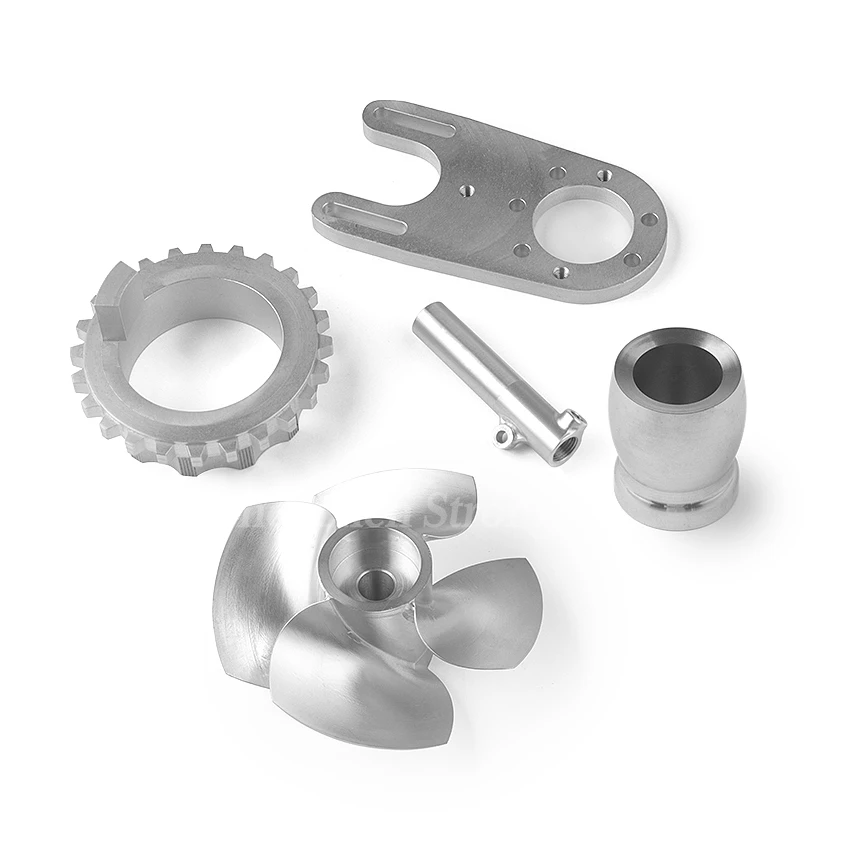
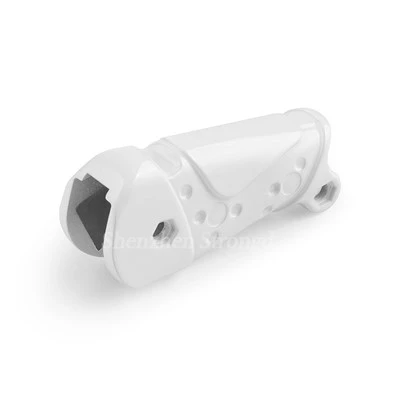
For those seeking to machine non - conductive materials, alternative methods such as CNC Milling Aluminum or CNC Plastic Prototype are more suitable. These processes can handle a wider range of materials, including both conductive and non - conductive ones, providing greater flexibility in precision machining projects.
Surface Finish and Tolerance Control
While ECM can achieve relatively good surface finishes, it has limitations in terms of achieving extremely high - precision surface finishes and tight tolerances. The electrochemical dissolution process is influenced by various factors such as electrolyte flow, current density, and workpiece material properties. These factors can cause variations in the dissolution rate, leading to uneven surface finishes and difficulty in maintaining tight tolerances.
In applications where ultra - smooth surfaces and micron - level tolerances are required, traditional machining methods like CNC machining may be more appropriate. CNC Aluminum Parts Machining can offer better control over surface finish and dimensional accuracy, allowing for the production of parts with high - precision requirements.
Tooling and Equipment Complexity
ECM requires specialized tooling and equipment, which can be complex and expensive to set up and maintain. The tool electrode in ECM needs to be carefully designed and fabricated to match the shape of the desired workpiece. Any errors in the tool design or fabrication can result in inaccurate machining results.
Moreover, the electrolyte system in ECM is also a critical component. The electrolyte needs to be carefully selected and maintained to ensure proper electrochemical reactions. Contamination of the electrolyte can affect the machining process and lead to poor surface finishes and dimensional inaccuracies.
In contrast, traditional machining methods often have more straightforward tooling and equipment requirements. This simplicity can result in lower setup costs and faster turnaround times, especially for small - to - medium - sized production runs.
Machining Speed
ECM is generally a slower machining process compared to some traditional machining methods. The electrochemical dissolution rate is limited by factors such as current density and electrolyte flow. As a result, machining large workpieces or complex geometries can take a significant amount of time.
For projects with tight deadlines, high - volume production requirements, or where rapid prototyping is needed, faster machining processes like CNC machining may be a better choice. CNC machines can operate at high speeds and can quickly produce parts with complex geometries, reducing production lead times.
Environmental and Safety Concerns
The use of electrolytes in ECM raises environmental and safety concerns. Many electrolytes used in ECM are corrosive and toxic, which requires proper handling, storage, and disposal. Exposure to these electrolytes can pose health risks to workers, and improper disposal can cause environmental pollution.
In addition, the electrochemical process in ECM can generate hazardous by - products such as hydrogen gas. Adequate ventilation and safety measures need to be in place to prevent the accumulation of hydrogen gas, which can be explosive.
Traditional machining methods may have fewer environmental and safety concerns, especially when using non - hazardous cutting fluids and materials. This can make them a more attractive option for companies looking to minimize their environmental impact and ensure the safety of their workers.
Design Limitations
ECM has certain design limitations due to the nature of the electrochemical process. For example, it is difficult to machine internal features with sharp corners or edges using ECM. The electrochemical dissolution process tends to round off sharp corners, resulting in a loss of geometric accuracy.
In some cases, the design of the workpiece may need to be modified to accommodate the capabilities of ECM. This can limit the design freedom and creativity in product development. Traditional machining methods, on the other hand, offer more flexibility in terms of machining complex internal features and sharp geometries.
Cost Considerations
The combination of high - cost tooling, specialized equipment, and slower machining speeds makes ECM a relatively expensive machining option, especially for small - scale production. The cost of setting up and maintaining the ECM system, as well as the cost of disposing of electrolytes, can significantly increase the overall production cost.
For cost - sensitive projects, traditional machining methods may offer a more cost - effective solution. By leveraging the economies of scale and the relatively lower setup and operating costs of traditional machining, companies can achieve their precision machining goals while keeping costs under control.
Conclusion
While electrochemical machining has its unique advantages in certain applications, it also has several limitations that need to be considered in precision machining. Material compatibility, surface finish and tolerance control, tooling and equipment complexity, machining speed, environmental and safety concerns, design limitations, and cost are all factors that can impact the suitability of ECM for a particular project.
As a precision machining provider, I understand the importance of choosing the right machining process for each project. Whether it's ECM, CNC Milling Aluminum, CNC Plastic Prototype, or CNC Aluminum Parts Machining, we are committed to providing our customers with the best machining solutions based on their specific requirements.
If you're looking for a reliable precision machining partner, we'd love to discuss your project with you. Our team of experts can help you evaluate the pros and cons of different machining processes and choose the one that best fits your needs. Contact us today to start the conversation and take your precision machining project to the next level.
References
- "Electrochemical Machining: Principles and Applications" by J. A. McGeough
- "Precision Machining Technology" by P. R. A. Kalpakjian and S. R. Schmid
- "Manufacturing Engineering and Technology" by S. Kalpakjian and S. R. Schmid