
Hey there! As a supplier of precision machining, I've been dealing with a wide range of components, and inductors are definitely up there on the list of tricky ones. So, let's dig into what the precision machining requirements for inductors are.
Dimensional Accuracy and Tight Tolerances
Many inductor assemblies require precise positioning of magnetic cores and supporting structures. Even small dimensional variations can affect assembly quality and production efficiency.
Depending on the application, machined components may require tolerances ranging from ±0.05 mm to ±0.01 mm. Maintaining consistent dimensions helps ensure proper fit between components and supports stable manufacturing processes.
Advanced CNC machining equipment and strict inspection procedures are essential for achieving these tight tolerances.
Surface Finish Requirements
Surface quality is another important consideration for inductor-related components.
A smooth and consistent surface finish can:
Improve assembly accuracy
Reduce wear between mating components
Enhance insulation performance where applicable
Improve product appearance and reliability
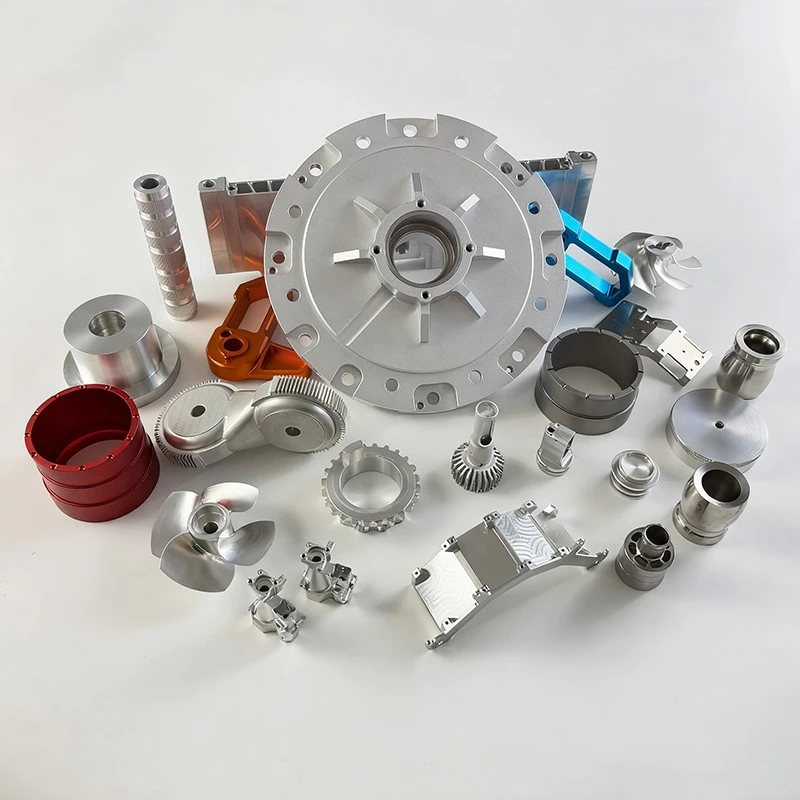
Different finishing processes such as polishing, sandblasting, anodizing, or plating may be selected according to the application requirements.
Material Selection
Material choice depends on the operating environment and design requirements of the final product.
Common materials used for machined inductor-related components include:
Aluminum
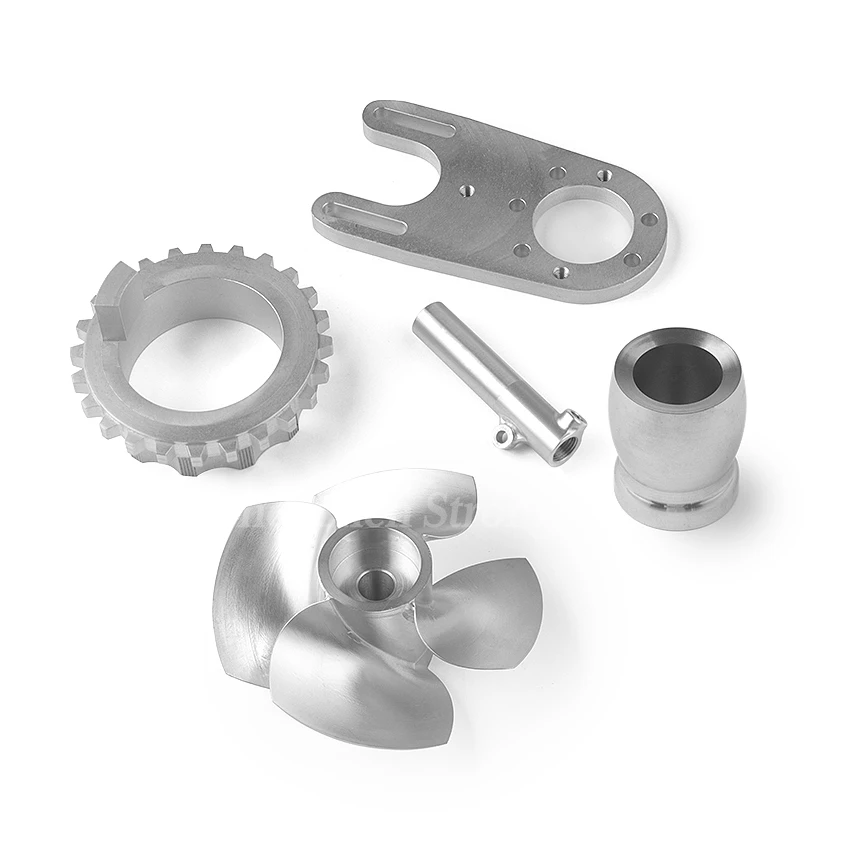
Aluminum offers excellent machinability, lightweight properties, and good corrosion resistance. It is commonly used for housings, brackets, and structural components.
Stainless Steel
Stainless steel provides high strength and corrosion resistance, making it suitable for industrial and harsh-environment applications.
Engineering Plastics
Materials such as POM, Nylon, PTFE, and PEEK are often selected when electrical insulation, lightweight construction, or chemical resistance is required.
Selecting the appropriate material helps ensure both manufacturability and long-term product performance.
Assembly Compatibility
Precision machining is not only about producing individual parts but also ensuring that components fit together correctly during assembly.
Critical features may include:
Mounting holes
Alignment slots
Positioning surfaces
Threaded features
Custom interfaces
Careful control of these features helps improve assembly efficiency and reduce manufacturing defects.
Prototype Development and Low-Volume Production
Many electronic product developers require prototypes before moving into mass production.
Rapid CNC prototyping allows engineers to:
Verify mechanical designs
Evaluate assembly fit
Identify potential improvements
Accelerate product development cycles
Once the design is validated, the same manufacturing process can be scaled for low-volume or production quantities.
Quality Control
Quality control is a critical part of precision machining.
Inspection methods may include:
Digital caliper measurements
Coordinate Measuring Machine (CMM) inspection
Optical measurement systems
Surface finish verification
Material certification review
By implementing comprehensive inspection procedures, manufacturers can ensure that every component meets customer specifications.
Partner with an Experienced Precision Machining Supplier
Whether you are developing inductors, transformers, power electronics, or other electronic devices, high-quality mechanical components are essential for product reliability and performance.
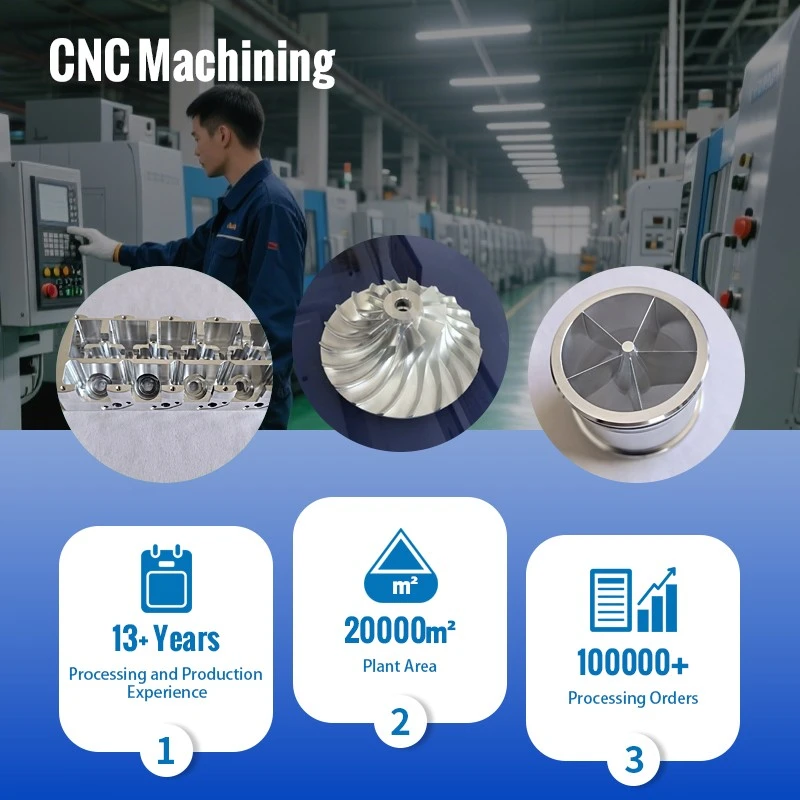
Our team specializes in custom CNC machining, rapid prototyping, and low-to-medium volume production of precision metal and plastic components. We can support your project with tight tolerances, consistent quality, and flexible manufacturing solutions.
If you are looking for a reliable supplier for precision-machined electronic components, feel free to contact us to discuss your project requirements.