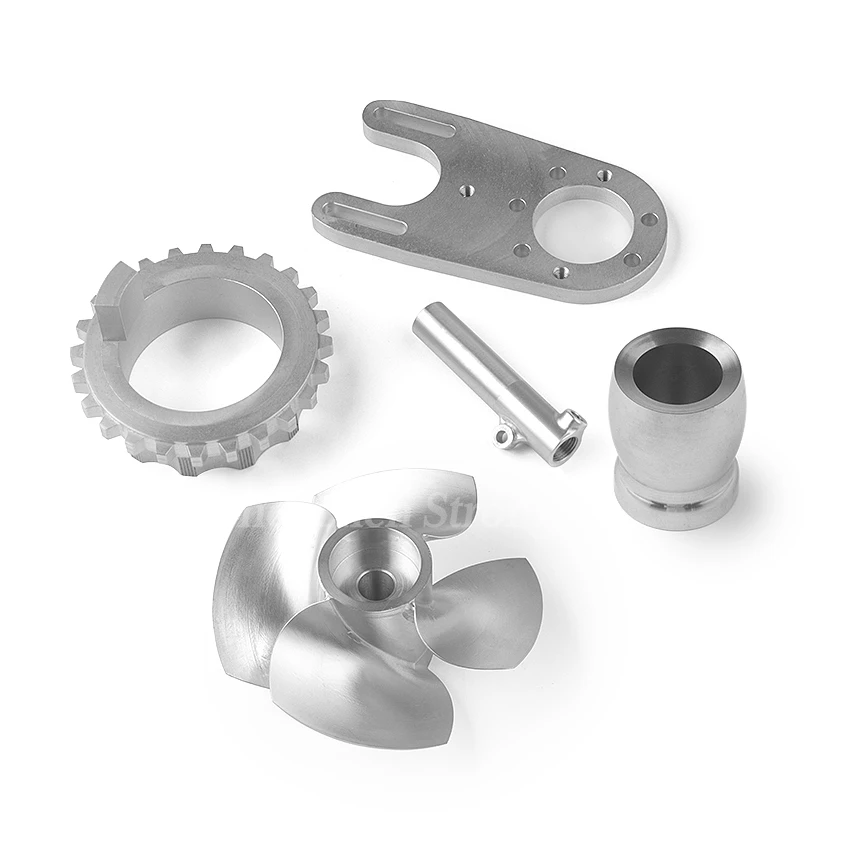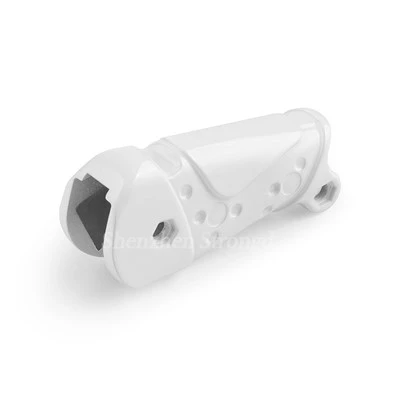

Precision machining plays a pivotal role in the production of high - quality sports equipment. As a precision machining supplier, I have witnessed firsthand the intricate requirements that the sports equipment industry demands. In this blog, I will delve into the key precision machining requirements for sports equipment, exploring aspects such as material selection, dimensional accuracy, surface finish, and production efficiency.
Material Selection
The choice of materials is fundamental in precision machining for sports equipment. Different sports have distinct demands, and the materials must be carefully selected to meet these needs. For instance, in cycling, lightweight and strong materials are crucial. Aluminum alloys are often a top choice due to their excellent strength - to - weight ratio. Our CNC Aluminum Parts Machining services are well - suited for manufacturing cycling components like frames, handlebars, and pedals. Aluminum can be machined to precise shapes, and it offers good corrosion resistance, which is essential for outdoor use.
In the case of golf clubs, titanium is a popular material. Titanium provides high strength and low weight, allowing for better swing speed and control. Precision machining of titanium requires advanced techniques and expertise to ensure that the final product meets the strict performance standards of professional and amateur golfers alike.


For sports equipment used in contact sports, such as football helmets and hockey sticks, impact - resistant polymers are commonly used. These materials need to be machined with precision to create the right shape and structure that can effectively absorb and distribute impact forces, protecting athletes from injuries.
Dimensional Accuracy
Dimensional accuracy is non - negotiable in precision machining for sports equipment. Even the slightest deviation from the specified dimensions can significantly affect the performance of the equipment. For example, in the production of tennis rackets, the length, width, and thickness of the frame need to be precisely controlled. A racket with incorrect dimensions may have an unbalanced swing weight, affecting the player's ability to generate power and control the ball.
In the manufacturing of track and field equipment, such as javelins and shot - puts, dimensional accuracy is critical for ensuring fair competition. The weight, length, and center of gravity of these items must conform to international standards. Our CNC Manufactring Parts capabilities enable us to achieve extremely high levels of dimensional accuracy, using advanced CNC machines that are programmed to mill, turn, and drill with micron - level precision.
In the case of ski boots, the internal dimensions must match the shape of the foot precisely to provide comfort and support. A poorly - fitting ski boot can lead to blisters, reduced control on the slopes, and even increased risk of injury. Precision machining ensures that the boots are customized to fit the specific requirements of each user.
Surface Finish
The surface finish of sports equipment is not just about aesthetics; it also affects performance. A smooth surface finish can reduce friction, which is beneficial in many sports. For example, in swimming, swim caps and goggles with a smooth surface can help athletes move through the water more efficiently, reducing drag.
In the production of billiard balls, a high - quality surface finish is essential for consistent rolling and accurate play. Any imperfections on the surface can cause the ball to deviate from its intended path. Our CNC Milling Aluminum processes can achieve a mirror - like surface finish on aluminum components, which is not only visually appealing but also functional.
For sports equipment used in outdoor environments, such as fishing reels and camping gear, a proper surface finish can provide protection against corrosion and wear. Coating and polishing techniques are used to enhance the durability of the equipment, ensuring that it can withstand harsh weather conditions and frequent use.
Production Efficiency
In addition to quality - related requirements, production efficiency is also a key consideration in precision machining for sports equipment. The sports industry is highly competitive, and manufacturers need to be able to produce large quantities of high - quality equipment in a timely manner.
Automation plays a crucial role in improving production efficiency. Our CNC machines are equipped with advanced automation features that can perform multiple machining operations in a single setup, reducing the time and labor required for production. This also minimizes the risk of human error, ensuring consistent quality across all products.
Lean manufacturing principles are also applied in our production processes. We optimize the layout of our workshops, streamline material handling, and reduce waste to improve overall productivity. By working closely with our customers, we can also develop customized production schedules that meet their specific delivery requirements.
Quality Control
Quality control is an integral part of precision machining for sports equipment. We have a comprehensive quality control system in place to ensure that every product meets the highest standards. This includes in - process inspections at various stages of production, as well as final inspections using advanced measuring equipment such as coordinate measuring machines (CMMs).
Our quality control team is trained to identify and correct any potential issues promptly. We also maintain detailed records of all production processes and inspections, providing traceability and transparency to our customers. This commitment to quality control gives our customers the confidence that they are receiving reliable and high - performance sports equipment.
Customization
The sports equipment market is diverse, with different athletes having different preferences and requirements. Customization has become increasingly important in recent years. We have the ability to offer customized precision machining services to meet the unique needs of our customers.
Whether it's a professional athlete looking for a personalized golf club or a sports equipment manufacturer wanting to develop a new product line, we can work with them to design and produce customized components. Our engineering team has the expertise to translate customer ideas into practical designs and then manufacture them with precision.
Conclusion
In conclusion, the precision machining requirements for sports equipment are complex and multifaceted. From material selection and dimensional accuracy to surface finish, production efficiency, quality control, and customization, every aspect needs to be carefully considered to produce high - quality sports equipment. As a precision machining supplier, we are committed to meeting these requirements and providing our customers with the best possible products and services.
If you are looking for a reliable precision machining partner for your sports equipment production, we would be delighted to discuss your needs. Contact us today to start a conversation about how we can help you achieve your goals in the sports equipment industry.
References
- Smith, J. (2018). Precision Machining in the Sports Industry. Journal of Sports Manufacturing, 12(3), 45 - 52.
- Johnson, A. (2019). Advances in Material Selection for Sports Equipment. International Journal of Sports Technology, 15(2), 67 - 74.
- Brown, C. (2020). Quality Control in Precision Machining for Sports Equipment. Manufacturing Quality Review, 20(4), 89 - 96.