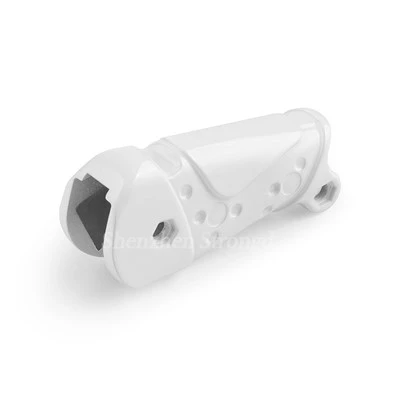

Hey there! As a supplier of Metal Robot Body Parts, I've spent a ton of time digging into the stress - distribution characteristics of these parts. It's super important to understand this stuff, 'cause it directly affects the performance and durability of the robots.
Let's start with the basics. Metal robot body parts are the backbone of any robot. They need to be tough enough to handle all sorts of forces and stresses during the robot's operation. Whether it's a small industrial robot doing repetitive tasks or a large humanoid robot walking around, the stress distribution on its body parts is a key factor.
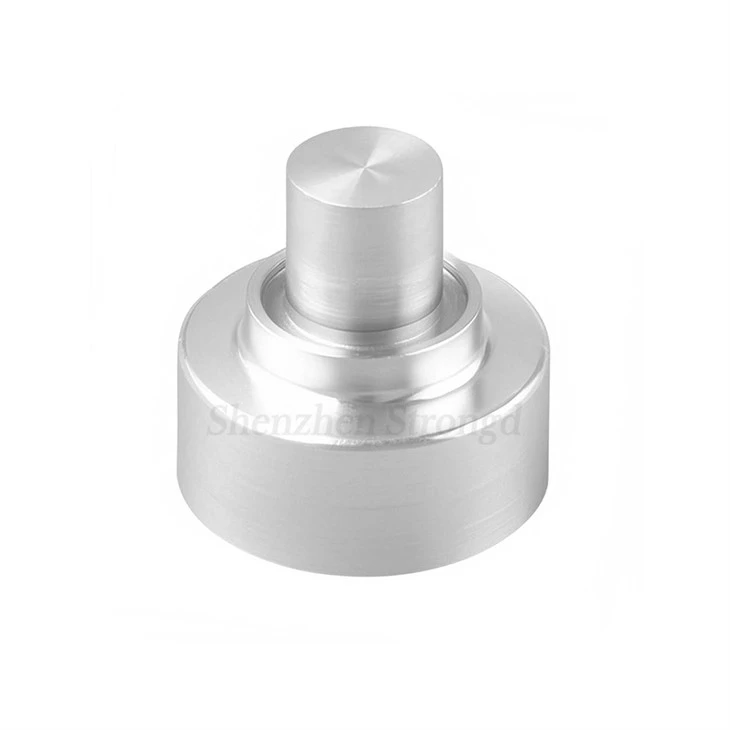
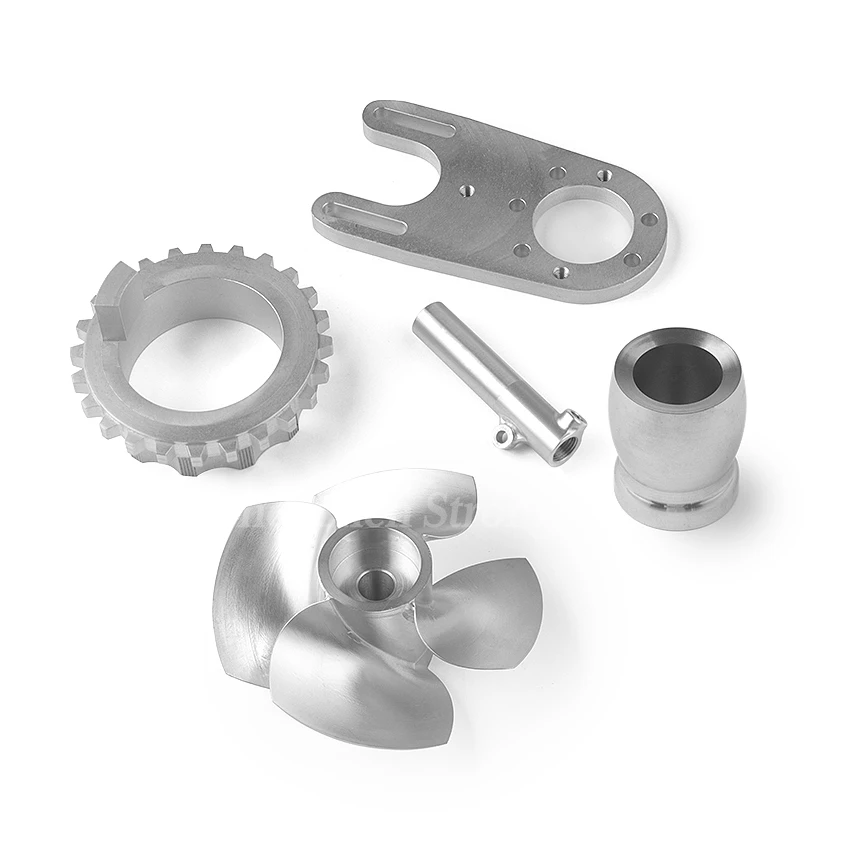
One of the main stress - distribution characteristics is related to the type of movement the robot makes. For example, in a robot that has a lot of rotational movements, like Humanoid Robot Joint Parts, the stress is concentrated around the joints. These joints have to endure both the weight of the attached body parts and the forces generated during rotation. The stress at the joint area is often a combination of shear stress and normal stress. Shear stress occurs when the two parts of the joint slide against each other, while normal stress is due to the forces pushing or pulling the joint together.
In a linear - moving robot, the stress distribution is different. The body parts that are responsible for the linear motion, such as the rails or the actuators, experience stress mainly in the direction of the movement. Tensile stress can occur when the part is being pulled, and compressive stress happens when it's being pushed. For instance, in an Aluminium Robot Chassis that supports a linear - moving arm, the chassis may experience compressive stress along the direction of the arm's movement.
Another factor that affects stress distribution is the shape of the metal parts. Complex - shaped parts, like those with curves or irregular surfaces, can have uneven stress distribution. Sharp corners or edges in a part can act as stress concentrators. When stress is concentrated in a small area, it can lead to premature failure of the part. For example, if a robot body part has a sharp corner, the stress at that corner can be several times higher than the average stress in the rest of the part. This can cause cracks to form and eventually lead to the part breaking.
The material of the metal robot body parts also plays a huge role. Different metals have different mechanical properties, which affect how they distribute stress. For example, aluminium is a popular choice for robot chassis because it's lightweight and has good corrosion resistance. However, it has a lower yield strength compared to steel. This means that under the same amount of stress, an aluminium part may deform more easily than a steel part. On the other hand, steel is stronger but heavier. So, when choosing the material for robot body parts, we need to balance the weight, strength, and cost factors.
The load on the robot is another crucial aspect. Static loads, such as the weight of the robot's own components, are relatively easy to predict and design for. But dynamic loads, like the forces generated during sudden movements or impacts, are much more challenging. When a robot makes a sudden stop or start, the body parts experience inertial forces. These inertial forces can cause stress spikes in the parts. For example, if a robot arm is moving at a high speed and then suddenly stops, the joints and the connecting parts will experience a large amount of stress due to the rapid deceleration.
In addition to the internal forces within the robot, external factors can also affect stress distribution. Environmental conditions, such as temperature and humidity, can change the mechanical properties of the metal parts. High temperatures can reduce the strength of the metal, making it more prone to deformation under stress. Humidity can cause corrosion, which weakens the part over time. So, when designing and using metal robot body parts, we need to take these external factors into account.
Now, let's talk about how we can analyze the stress - distribution characteristics. Finite element analysis (FEA) is a powerful tool. It allows us to create a virtual model of the robot body part and simulate the stress distribution under different conditions. By inputting the material properties, the geometry of the part, and the applied loads, we can get a detailed picture of where the stress is concentrated and how it changes over time. This helps us optimize the design of the parts to reduce stress concentration and improve their overall performance.
As a supplier of metal robot body parts, we focus on providing high - quality products that can withstand the stresses they'll encounter. We use advanced manufacturing techniques to ensure the precision of the parts and select the right materials based on the specific requirements of the robots. Whether it's a simple industrial robot or a complex humanoid robot, we have the expertise to offer the best solutions.
If you're in the market for metal robot body parts, we'd love to have a chat with you. We can discuss your specific needs, the stress - distribution requirements of your robots, and how our products can meet those needs. Whether you need Metal Robot Body Parts, Humanoid Robot Joint Parts, or an Aluminium Robot Chassis, we're here to help. So, don't hesitate to reach out and start a conversation about your robot part requirements.
References
- Callister, W. D., & Rethwisch, D. G. (2011). Materials Science and Engineering: An Introduction. Wiley.
- Shigley, J. E., Mischke, C. R., & Budynas, R. G. (2004). Mechanical Engineering Design. McGraw - Hill.