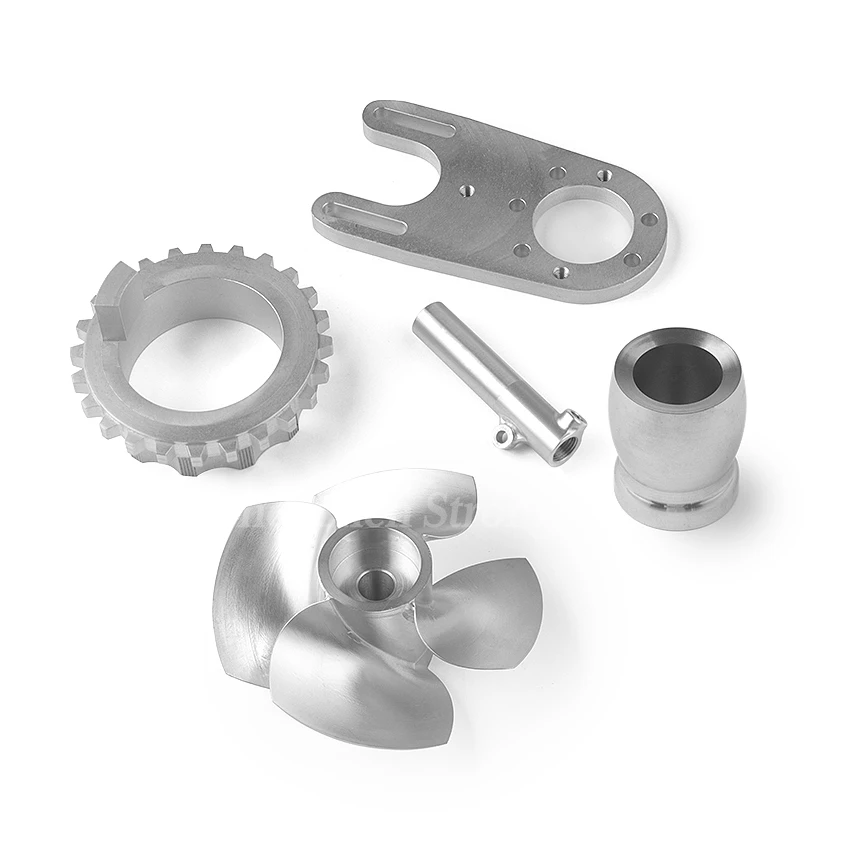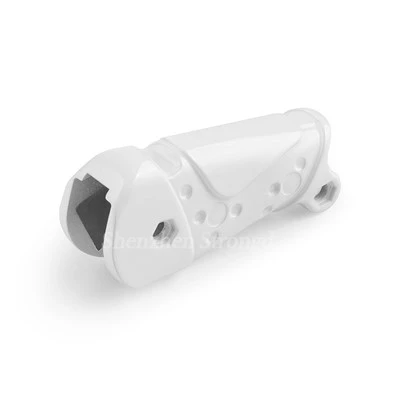

In the realm of modern manufacturing, 3D resin printing has emerged as a revolutionary technology, offering unparalleled precision and versatility in creating intricate parts. As a leading 3D Resin Printing supplier, we are often asked about the compression strength of 3D resin printed parts. This blog post aims to delve into this crucial aspect, exploring the factors that influence compression strength, how it is measured, and its significance in various applications.
Understanding Compression Strength
Compression strength refers to the maximum amount of compressive stress a material can withstand before failure. In the context of 3D resin printed parts, it is the ability of these parts to resist being crushed or deformed under a compressive load. This property is essential in applications where the parts are subjected to forces that push them together, such as structural components, mechanical parts, and load-bearing elements.
Factors Influencing Compression Strength
Several factors can significantly impact the compression strength of 3D resin printed parts. Understanding these factors is crucial for optimizing the printing process and ensuring the desired performance of the final parts.
Resin Material
The type of resin used in 3D printing plays a fundamental role in determining the compression strength of the printed parts. Different resins have varying chemical compositions and mechanical properties, which directly affect their ability to withstand compressive forces. For instance, engineering-grade resins are specifically formulated to offer high strength and durability, making them suitable for applications requiring high compression strength. On the other hand, casting resins are designed for detailed casting applications and may have lower compression strength.
Printing Parameters
The printing parameters, such as layer thickness, print speed, and curing time, can also have a profound impact on the compression strength of 3D resin printed parts. A thinner layer thickness generally results in a smoother surface finish and better interlayer adhesion, which can enhance the compression strength. However, reducing the layer thickness also increases the printing time. Similarly, optimizing the print speed and curing time is crucial to ensure proper polymerization of the resin and maximize the mechanical properties of the printed parts.
Part Geometry
The geometry of the printed part can significantly influence its compression strength. Parts with complex geometries, such as thin walls or internal cavities, may have lower compression strength compared to simple, solid parts. This is because the stress distribution within the part is more complex, and the presence of thin walls or cavities can create stress concentrations, leading to premature failure. Therefore, it is essential to design the parts with proper consideration of the expected compressive loads and to use appropriate reinforcement techniques, such as ribbing or filleting, to enhance the compression strength.
Measuring Compression Strength
Measuring the compression strength of 3D resin printed parts is typically done using a universal testing machine. The test specimen is placed between two platens of the testing machine, and a compressive load is applied at a constant rate until the specimen fails. The maximum load applied before failure is recorded, and the compression strength is calculated by dividing the maximum load by the cross-sectional area of the specimen.
It is important to note that the compression strength values obtained from testing are specific to the test conditions and the specimen geometry. Therefore, it is recommended to conduct multiple tests using specimens with the same geometry and under the same testing conditions to obtain reliable and representative results.
Significance of Compression Strength in Various Applications
The compression strength of 3D resin printed parts is of utmost importance in a wide range of applications. Here are some examples:
Engineering and Manufacturing
In engineering and manufacturing, 3D resin printed parts are often used as prototypes or end-use components. These parts need to have sufficient compression strength to withstand the mechanical loads and stresses they will encounter during their service life. For example, in the automotive industry, 3D resin printed parts can be used for engine components, brackets, and housings, which need to have high compression strength to ensure reliable performance.
Medical and Dental
In the medical and dental fields, 3D resin printing is used to create custom-made implants, prosthetics, and dental models. These parts need to have appropriate compression strength to ensure proper functionality and durability. For instance, dental implants need to be able to withstand the compressive forces exerted during chewing, while prosthetics need to be strong enough to support the weight of the user.


Jewelry and Art
In the jewelry and art industries, 3D resin printing is used to create intricate and detailed designs. While the compression strength may not be the primary concern in these applications, it is still important to ensure that the printed parts can withstand the handling and wear and tear they will experience. For example, a 3D resin printed jewelry piece needs to be strong enough to resist bending or breaking during normal use.
Optimizing Compression Strength for Your Applications
As a 3D Resin Printing supplier, we are committed to helping our customers optimize the compression strength of their 3D resin printed parts. Here are some tips to achieve this:
Select the Right Resin
Choose a resin that is specifically formulated for your application and offers the required compression strength. Our team of experts can assist you in selecting the most suitable resin based on your specific requirements.
Optimize the Printing Parameters
Work with us to optimize the printing parameters, such as layer thickness, print speed, and curing time, to ensure the best possible mechanical properties of the printed parts. We have extensive experience in fine-tuning these parameters to achieve the desired compression strength.
Design for Strength
When designing your parts, consider the expected compressive loads and use appropriate design techniques to enhance the compression strength. Our design team can provide guidance on part design and recommend reinforcement strategies to improve the strength of your parts.
Conclusion
The compression strength of 3D resin printed parts is a critical factor that determines their performance and suitability for various applications. By understanding the factors that influence compression strength, measuring it accurately, and optimizing the printing process, we can ensure that the 3D resin printed parts meet the highest standards of quality and performance.
If you are interested in learning more about 3D Resin Printing and how we can help you achieve the desired compression strength for your parts, please do not hesitate to contact us. Our team of experts is ready to assist you with your project and provide you with the best possible solutions.
References
- ASTM D695 - Standard Test Method for Compressive Properties of Rigid Plastics.
- ISO 604 - Plastics - Determination of Compressive Properties.
- Gibson, I., Rosen, D. W., & Stucker, B. (2015). Additive Manufacturing Technologies: 3D Printing, Rapid Prototyping, and Direct Digital Manufacturing. Springer.