
Hey there! As a supplier in the vacuum casting business, I often get asked about the surface finish in vacuum casting. So, I thought I'd sit down and share my insights on this topic.
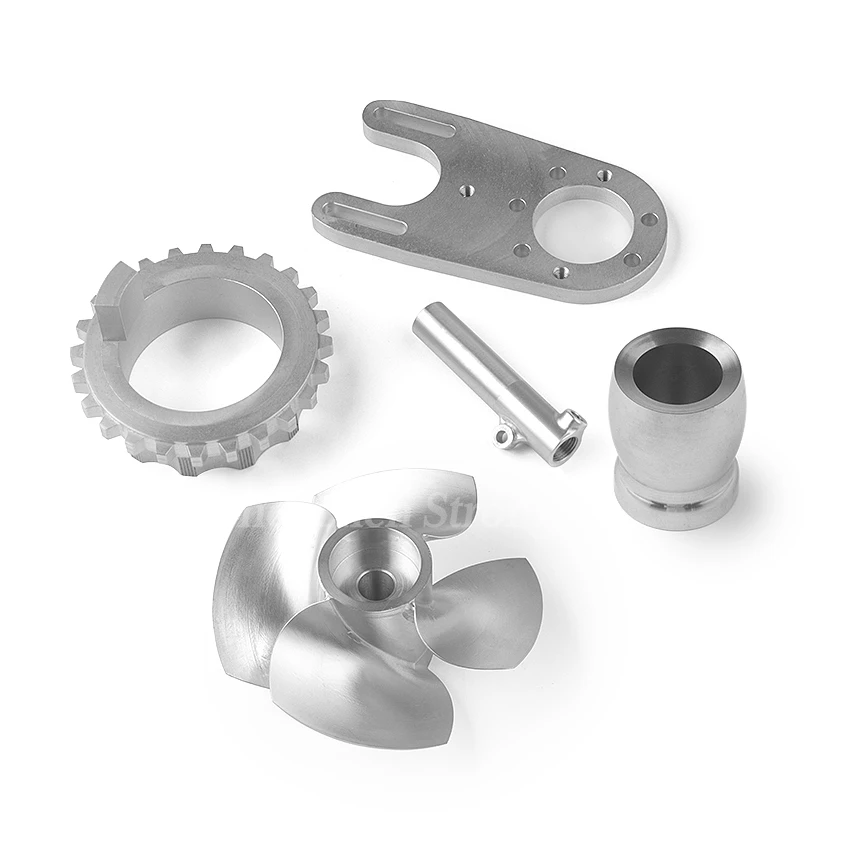
First off, let's talk about what vacuum casting is. It's a process where a silicone mold is created from a master pattern, usually made through 3D Resin Printing or CNC Automotive Machining. Then, a liquid resin is poured into the mold under vacuum conditions to remove air bubbles and ensure a high - quality casting.


The surface finish in vacuum casting can vary quite a bit, and it depends on several factors. One of the most important factors is the quality of the master pattern. If the master pattern has a smooth surface, the silicone mold will replicate that smoothness, and the final cast part will also have a nice finish. For example, if you use a master pattern made with high - resolution 3D resin printing, it can have a very fine surface texture. The printer can create detailed features with a high level of accuracy, and these details will be transferred to the vacuum - cast part.
On the other hand, if the master pattern has rough spots, scratches, or other imperfections, the same will show up on the final part. So, it's really crucial to pay attention to the quality of the master pattern. We often spend a lot of time preparing the master pattern, sanding it, and polishing it to get the best possible surface finish.
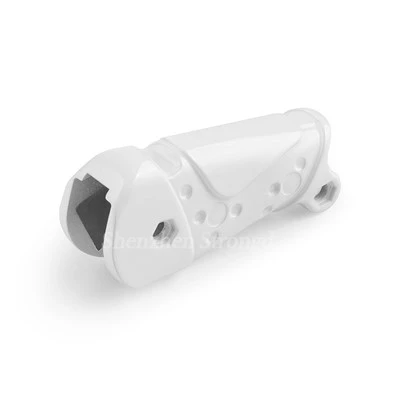
Another factor that affects the surface finish is the type of resin used in the vacuum casting process. Different resins have different properties when it comes to surface finish. Some resins are formulated to have a glossy finish right out of the mold. These glossy - finish resins can give parts a sleek, professional look, which is great for products like consumer electronics or display models. For instance, a Vacuum Casting Plastic Case made with a glossy resin will look shiny and new.
There are also resins that can achieve a matte finish. Matte finishes are often preferred in applications where glare needs to be reduced, such as in automotive interiors or some industrial products. The matte - finish resins can have a soft, non - reflective surface that gives a more subdued and sophisticated look.
The casting process itself also plays a role in the surface finish. If the resin is not degassed properly during the vacuum process, air bubbles can get trapped in the part. These air bubbles can cause small pits or bumps on the surface, which will obviously affect the overall finish. We always make sure to use high - quality vacuum equipment to ensure that the resin is degassed thoroughly. Also, the temperature and curing time of the resin are important. If the resin cures too quickly or at the wrong temperature, it can lead to uneven surfaces or warping.
Now, let's talk about post - processing. Even if the initial surface finish of the vacuum - cast part is good, post - processing can take it to the next level. Sanding is a common post - processing technique. We can use different grits of sandpaper to smooth out any minor imperfections and create a more uniform surface. After sanding, we can also polish the part to give it an even higher - quality finish.
Painting is another option for improving the surface finish. We can apply a coat of paint to change the color of the part and also enhance its appearance. The paint can cover up any small flaws and give the part a more professional look. There are different types of paints available, such as acrylic paints and enamel paints, each with its own properties and advantages.
When it comes to the texture of the surface finish, vacuum casting can reproduce a wide range of textures. If the master pattern has a textured surface, like a leather - like texture or a wood - grain texture, the vacuum - cast part can replicate that texture very accurately. This is really useful for creating prototypes or small - batch production parts that need to mimic the look and feel of real materials.
In terms of tolerance and precision of the surface finish, vacuum casting can achieve relatively high levels. The silicone mold can hold its shape well during the casting process, which means that the dimensions and surface details of the part are consistent. However, there are still some limitations. For very complex or highly detailed parts, there might be some minor variations in the surface finish. But overall, we can usually meet the requirements of most of our customers.
One of the great things about vacuum casting is its cost - effectiveness for small - batch production. Compared to other manufacturing processes, like injection molding, vacuum casting can produce parts with a good surface finish at a lower cost. This makes it a popular choice for companies that need to produce a small number of high - quality parts quickly.
If you're in the market for vacuum - cast parts and you're concerned about the surface finish, don't hesitate to reach out. We have a lot of experience in this field, and we can work with you to achieve the surface finish that you need for your project. Whether you need a glossy finish for a consumer product or a matte finish for an industrial application, we've got you covered.
In conclusion, the surface finish in vacuum casting is influenced by multiple factors, including the quality of the master pattern, the type of resin, the casting process, and post - processing. By carefully controlling these factors, we can produce vacuum - cast parts with a wide range of surface finishes to meet the diverse needs of our customers. If you're interested in learning more or want to start a project with us, just let us know. We're always happy to have a chat and see how we can help you bring your ideas to life.
References
- "Vacuum Casting Technology and Applications" - Industry - specific research publication
- "Resin Materials for Vacuum Casting" - Technical guide on resin properties