
Introduction to 3D Printing
3D printing, also known as additive manufacturing, is a revolutionary technology that creates three - dimensional objects from a digital model by adding material layer by layer. Unlike traditional manufacturing methods such as subtractive manufacturing (cutting, drilling, etc.), 3D printing builds objects from the ground up, enabling the production of complex geometries that were previously difficult or impossible to achieve. This technology has a wide range of applications across various industries, including aerospace, automotive, healthcare, consumer goods, and architecture. It offers benefits such as reduced waste, faster prototyping, and the ability to customize products according to specific requirements.
Top 10 3D Printing Factories
1. ShenZhen Strongd Model Technology Co., Ltd.
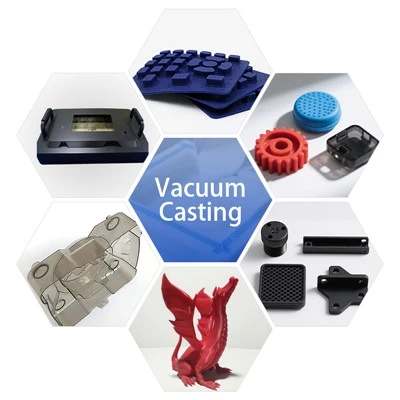
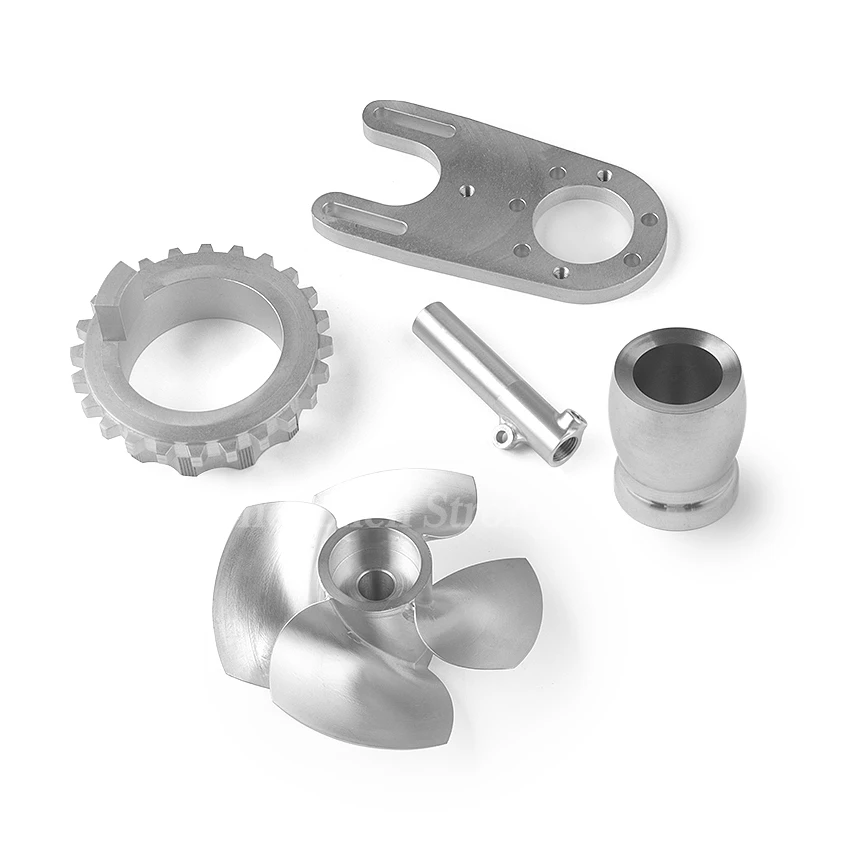
ShenZhen Strongd Model Technology Co., Ltd. is a leading player in the 3D printing industry. It has been at the forefront of providing high - quality 3D printing solutions for a diverse range of clients. The company is committed to innovation and precision in its manufacturing processes.
Features in 3D Printing
- Advanced Materials: Strongd uses a wide variety of materials for 3D printing, including plastics, metals, and composites. This allows them to meet the different needs of their clients, whether it's for creating lightweight prototypes or durable end - use parts.
- High - Precision Printing: The company's 3D printers are capable of achieving extremely high levels of precision. This is crucial for industries such as aerospace and medical, where even the slightest deviation can have significant consequences.
- Customization Capabilities: Strongd excels in providing customized 3D printing solutions. They work closely with their clients to understand their specific requirements and design products accordingly.
Advantages
- Experience and Expertise: With years of experience in the industry, the company has a team of highly skilled engineers and technicians. They have in - depth knowledge of 3D printing technology and can handle complex projects with ease.
- Quality Assurance: Strongd has a strict quality control system in place. Every 3D printed product undergoes rigorous testing to ensure it meets the highest standards of quality and performance.
- Cost - Effectiveness: Despite offering high - end 3D printing services, the company is able to maintain competitive pricing. This makes their services accessible to a wide range of clients, from small startups to large corporations.
Website: https://www.strongdcnc.com/
2. Stratasys Ltd.
Stratasys is a well - established and globally recognized company in the 3D printing industry. It was one of the pioneers in developing and commercializing 3D printing technology.
Features in 3D Printing
- Fused Deposition Modeling (FDM): Stratasys is known for its advanced FDM technology. This process involves extruding a thermoplastic filament through a heated nozzle to build objects layer by layer. It is suitable for creating functional prototypes and end - use parts with good mechanical properties.
- PolyJet Technology: Another key technology offered by Stratasys is PolyJet. This technology uses inkjet - like print heads to dispense photopolymer materials, which are then cured by UV light. It allows for the creation of highly detailed and multi - material parts, with the ability to combine different colors and properties in a single print.
- Large - Scale Printing: Stratasys has developed printers capable of large - scale 3D printing. This is beneficial for industries such as automotive and aerospace, where large components need to be produced.
Advantages
- Extensive Material Portfolio: The company offers a wide range of materials for 3D printing, including engineering plastics, elastomers, and biocompatible materials. This gives customers more options to choose from based on their specific application requirements.
- Software and Support: Stratasys provides comprehensive software solutions for 3D printing. Their software allows for easy design, slicing, and printing of objects. Additionally, they offer excellent technical support to their customers, ensuring smooth operation of their printers.
- Industry Partnerships: Stratasys has established partnerships with many leading companies in various industries. These partnerships help in the development of new applications and the validation of 3D printing technology for different use cases.
3. 3D Systems Corporation
3D Systems is a pioneer in the 3D printing field and has a long history of innovation.
Features in 3D Printing
- Stereolithography (SLA): 3D Systems is well - known for its SLA technology. In SLA, a laser is used to cure a liquid photopolymer resin layer by layer to create solid objects. This technology offers high - resolution printing and is suitable for creating detailed and accurate parts.
- Selective Laser Sintering (SLS): The company also offers SLS technology, which uses a laser to sinter powdered materials such as plastics, metals, and ceramics. SLS is capable of producing strong and durable parts with complex geometries.
- Dental 3D Printing: 3D Systems has made significant contributions to the dental industry with its 3D printing solutions. They offer printers and materials specifically designed for dental applications, such as creating dental models, crowns, and bridges.
Advantages
- Research and Development: 3D Systems invests heavily in research and development. This allows them to continuously improve their existing technologies and develop new ones. They are at the forefront of exploring new materials and applications for 3D printing.
- Global Presence: The company has a global network of sales and support offices. This ensures that customers around the world can access their products and services easily. They also offer local training and support to help customers make the most of their 3D printing systems.
- Comprehensive Solutions: 3D Systems provides not only 3D printers but also a complete range of solutions, including software, materials, and post - processing equipment. This one - stop - shop approach makes it convenient for customers to set up and operate their 3D printing facilities.
4. EOS GmbH Electro Optical Systems
EOS is a leading provider of industrial 3D printing solutions, especially in the field of metal 3D printing.
Features in 3D Printing
- Direct Metal Laser Sintering (DMLS): EOS is a pioneer in DMLS technology. This process uses a high - power laser to selectively melt and fuse metal powder particles to create solid metal parts. It is widely used in industries such as aerospace, automotive, and medical for producing high - strength and complex metal components.
- Polymer Laser Sintering: In addition to metal 3D printing, EOS also offers polymer laser sintering technology. This technology is suitable for creating functional plastic parts with good mechanical properties and surface finish.
- Process Optimization: EOS focuses on optimizing the 3D printing process to ensure high - quality and consistent results. They use advanced software and monitoring systems to control the printing parameters and detect any potential issues during the printing process.
Advantages
- Material Development: EOS has a strong focus on material development. They have developed a wide range of metal and polymer materials specifically for 3D printing, which offer excellent performance and compatibility with their printers.
- Quality and Certification: The company's 3D printed parts meet high - quality standards and are often certified for use in critical applications. This makes EOS a trusted partner for industries with strict quality requirements.
- Application Engineering Support: EOS provides extensive application engineering support to its customers. Their team of experts helps customers in designing parts for 3D printing, optimizing the printing process, and validating the final parts for their intended use.
5. HP Inc.
HP is a well - known technology company that has entered the 3D printing market with its innovative Multi Jet Fusion (MJF) technology.
Features in 3D Printing
- Multi Jet Fusion Technology: HP's MJF technology is a powder - based 3D printing process. It uses a print head to selectively apply fusing and detailing agents onto a bed of powder, and then a heat source is used to fuse the powder particles together. This technology offers high - speed printing and excellent part quality.
- Color 3D Printing: HP has also introduced color 3D printing capabilities with its MJF technology. This allows for the creation of full - color 3D printed objects, which is useful for applications such as product design, architecture, and education.
- Data - Driven Manufacturing: HP's 3D printing solutions are integrated with data - driven manufacturing processes. They use advanced analytics and software to optimize the printing process, reduce waste, and improve productivity.
Advantages
- Scalability: HP's 3D printing systems are designed for scalability. They can be easily integrated into existing manufacturing workflows, and the company offers options for both small - scale and large - scale production.
- Partnerships and Ecosystem: HP has established partnerships with various companies in the 3D printing ecosystem, including material suppliers, software developers, and service providers. This helps in the development of a comprehensive 3D printing solution and the expansion of the market.
- Brand Reputation: As a well - established brand, HP brings a high level of trust and reliability to the 3D printing market. Customers can rely on HP's quality and support for their 3D printing needs.
6. Desktop Metal, Inc.
Desktop Metal is focused on making metal 3D printing more accessible and affordable for small and medium - sized enterprises.
Features in 3D Printing
- Bound Metal Deposition (BMD): Desktop Metal's BMD technology is a cost - effective and safe way to 3D print metal parts. It involves extruding a metal - bound filament, which is then debound and sintered to create solid metal parts. This process eliminates the need for expensive and hazardous metal powders.
- High - Speed Printing: The company's printers are designed for high - speed metal 3D printing. This allows for faster production times and increased productivity, making it suitable for mass production applications.
- User - Friendly Interface: Desktop Metal's printers come with a user - friendly interface, making it easy for operators to set up and run the printing process. The software also provides real - time monitoring and control of the printing process.
Advantages
- Affordability: By using a more cost - effective printing process and eliminating the need for expensive equipment and materials, Desktop Metal makes metal 3D printing more accessible to a wider range of customers.
- Safety: The BMD technology used by Desktop Metal is safer compared to traditional metal 3D printing processes that involve handling metal powders. This reduces the risk of explosion and inhalation hazards.
- Support for Small Businesses: Desktop Metal provides support and training to small businesses interested in adopting metal 3D printing. They offer consulting services to help businesses integrate 3D printing into their existing workflows and develop new products.
7. Formlabs, Inc.
Formlabs is a company that has made 3D printing more accessible to designers, engineers, and hobbyists.
Features in 3D Printing
- Stereolithography (SLA) Printers: Formlabs offers a range of SLA printers that are known for their high - resolution printing and ease of use. Their printers are suitable for creating detailed and accurate parts, such as jewelry, dental models, and engineering prototypes.
- Wide Range of Materials: The company provides a variety of materials for SLA printing, including resins with different properties such as strength, flexibility, and transparency. This allows users to choose the right material for their specific application.
- Software and Community: Formlabs has developed user - friendly software for its 3D printers. The software allows for easy design, slicing, and printing of objects. Additionally, the company has a large community of users where they can share ideas, designs, and tips.
Advantages
- Affordable Pricing: Formlabs' printers are priced competitively, making them accessible to a wide range of users. This has helped in democratizing 3D printing and enabling more people to explore the technology.
- Quality and Reliability: The company is known for the quality and reliability of its printers. They use high - quality components and have a strict quality control system in place to ensure consistent performance.
- Customer Support: Formlabs provides excellent customer support to its users. They offer online resources, training, and technical assistance to help users get the most out of their 3D printers.
8. SLM Solutions Group AG
SLM Solutions is a leading manufacturer of metal 3D printing systems based on Selective Laser Melting (SLM) technology.
Features in 3D Printing
- Selective Laser Melting Technology: SLM Solutions' SLM technology uses a high - power laser to melt and fuse metal powder particles layer by layer to create fully dense metal parts. This technology offers high - precision printing and is suitable for producing complex and high - performance metal components.
- Large - Format Printing: The company offers large - format metal 3D printers, which are capable of producing large - scale metal parts. This is beneficial for industries such as aerospace and energy, where large components are required.
- Process Monitoring and Control: SLM Solutions' printers are equipped with advanced process monitoring and control systems. These systems allow for real - time monitoring of the printing process, ensuring high - quality and consistent results.
Advantages
- Metal Expertise: SLM Solutions has in - depth expertise in metal 3D printing. They have a team of metallurgists and engineers who are constantly working on improving the metal 3D printing process and developing new metal materials.
- Customization Options: The company offers customization options for its 3D printers. Customers can choose different build volumes, laser configurations, and other features based on their specific requirements.
- Global Service Network: SLM Solutions has a global service network to provide support to its customers. They offer installation, training, maintenance, and repair services to ensure the smooth operation of their printers.
9. Carbon, Inc.
Carbon is a company that has developed a unique 3D printing technology called Digital Light Synthesis (DLS).
Features in 3D Printing
- Digital Light Synthesis Technology: Carbon's DLS technology uses a combination of light and oxygen to rapidly produce 3D printed parts. It can create parts with high - resolution, excellent mechanical properties, and smooth surface finishes.
- Continuous Printing Process: Unlike traditional layer - by - layer 3D printing processes, DLS is a continuous printing process. This allows for faster printing speeds and the ability to produce parts with complex geometries without the need for support structures in many cases.
- Material Innovation: Carbon is actively involved in material innovation. They have developed a range of proprietary materials for DLS printing, including elastomers, rigid plastics, and biocompatible materials.
Advantages
- Speed and Quality: The DLS technology offers a good balance between speed and quality. It can produce high - quality parts in a relatively short time, which is beneficial for industries with fast - paced product development cycles.
- Design Freedom: Carbon's technology provides greater design freedom compared to traditional manufacturing methods. It allows designers to create parts with complex internal structures and organic shapes that were previously difficult or impossible to achieve.
- Partnerships with Brands: Carbon has partnered with many well - known brands in various industries, such as Adidas and Riddell. These partnerships demonstrate the company's ability to produce high - quality 3D printed parts for real - world applications.
10. EnvisionTEC GmbH
EnvisionTEC is a company that has been in the 3D printing industry for a long time and offers a variety of 3D printing technologies.
Features in 3D Printing
- Continuous Digital Light Manufacturing (cDLM): EnvisionTEC's cDLM technology is a high - speed 3D printing process. It uses a digital light projector to cure a liquid resin continuously, resulting in fast and accurate printing of parts.
- Bioprinting: The company is also involved in bioprinting research and development. They offer bioprinters and bio - compatible materials for applications such as tissue engineering and regenerative medicine.
- Dental and Jewelry Printing: EnvisionTEC has a strong presence in the dental and jewelry industries. Their 3D printers are used for creating dental models, crowns, bridges, and jewelry pieces with high precision and detail.
Advantages
- Technology Diversity: EnvisionTEC offers a diverse range of 3D printing technologies, which allows them to serve different industries and applications. This gives customers more options to choose from based on their specific needs.
- Material Compatibility: The company's printers are compatible with a wide range of materials, including resins, waxes, and ceramics. This flexibility in material selection enables customers to create parts with different properties and characteristics.
- Industry Experience: With many years of experience in the 3D printing industry, EnvisionTEC has a deep understanding of customer requirements and industry trends. They are able to provide customized solutions and support to their customers.
Conclusion
The 3D printing industry is rapidly evolving, and these top 10 factories are at the forefront of this technological revolution. Each of these companies brings unique features and advantages to the table, whether it's advanced printing technologies, a wide range of materials, or excellent customer support. ShenZhen Strongd Model Technology Co., Ltd. stands out with its high - precision and customized 3D printing solutions, while companies like Stratasys, 3D Systems, and EOS are leaders in established 3D printing technologies such as FDM, SLA, and DMLS. HP, Desktop Metal, and others are introducing innovative technologies to make 3D printing more accessible, affordable, and scalable. As the demand for 3D printed products continues to grow across various industries, these companies will play a crucial role in shaping the future of manufacturing. Their continuous research and development efforts, partnerships, and focus on quality will drive the further adoption and advancement of 3D printing technology in the coming years.