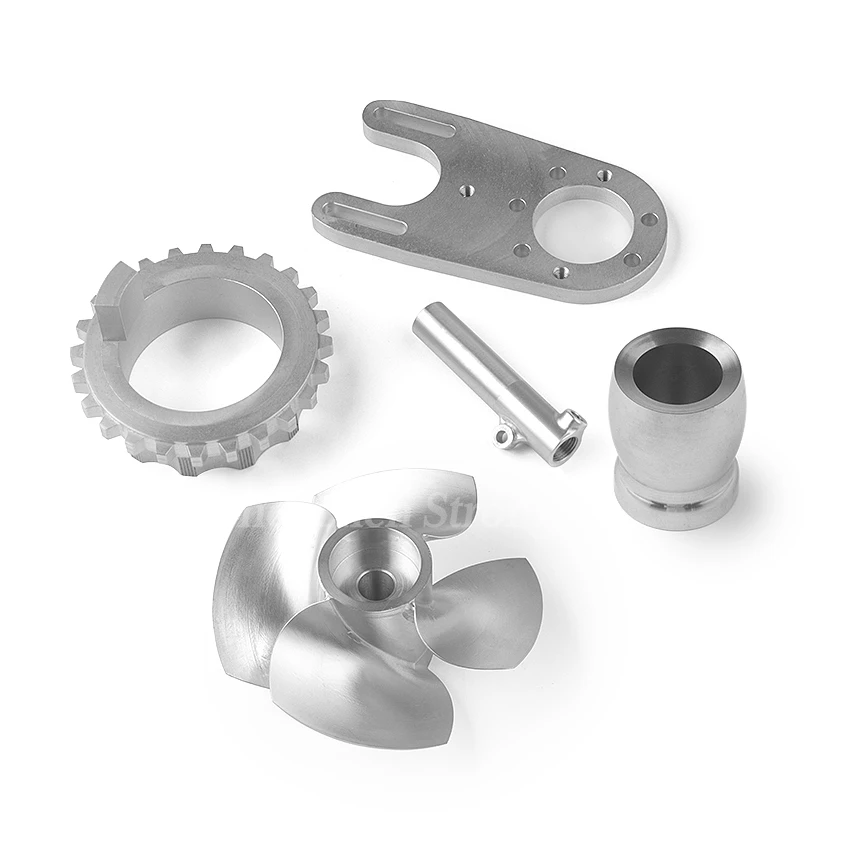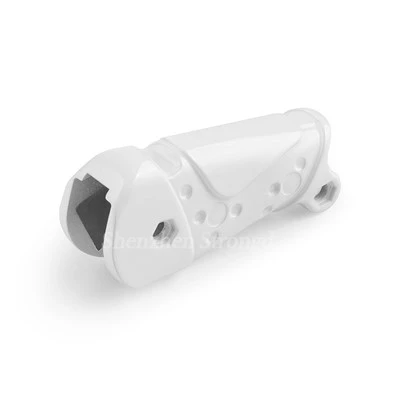

Silicon rubber casting, a well - known manufacturing process, has been making waves in various industries. As a supplier of silicon rubber casting services, I've witnessed firsthand its versatility and potential. One question that often comes up is whether silicon rubber casting can be used for aerospace applications. In this blog, we'll explore the properties of silicon rubber casting, the requirements of aerospace applications, and assess if they are a good match.
Understanding Silicon Rubber Casting
Silicon rubber casting is a process that involves creating a mold from a master pattern and then using this mold to cast multiple parts. The process starts with the creation of a master pattern, which can be made from materials like resin, metal, or plastic. A silicone rubber is then poured around the master pattern to create a mold. Once the silicone rubber has cured, the master pattern is removed, leaving behind a mold that can be used to cast parts.
The advantages of silicon rubber casting are numerous. It allows for the production of complex shapes with high precision. The silicone rubber molds are flexible, which means that parts with undercuts can be easily removed from the mold without damage. Additionally, silicon rubber casting is a relatively cost - effective method for producing small to medium - sized batches of parts.
There are different types of silicone rubbers used in casting, each with its own set of properties. For example, some silicone rubbers are designed to be heat - resistant, while others are more flexible or have better chemical resistance. These properties can be tailored to meet the specific requirements of different applications.
Requirements of Aerospace Applications
Aerospace applications have some of the most stringent requirements in the engineering world. Safety is of utmost importance, and all components must be able to withstand extreme conditions. Temperature variations in aerospace environments can be extreme, ranging from the cold of outer space to the high temperatures generated during re - entry or engine operation.
Components in aerospace also need to have high strength - to - weight ratios. This is crucial for reducing the overall weight of the aircraft or spacecraft, which in turn improves fuel efficiency and performance. Resistance to radiation is another key requirement, especially for space applications where components are exposed to high levels of cosmic radiation.
In addition to these physical requirements, aerospace components often need to meet strict regulatory standards. These standards ensure that the components are reliable and safe for use in aerospace vehicles.
Compatibility of Silicon Rubber Casting with Aerospace Requirements
Temperature Resistance
One of the critical aspects of aerospace applications is temperature resistance. Some silicone rubbers used in casting have excellent heat - resistant properties. For example, high - temperature silicone rubbers can withstand temperatures up to 300°C or even higher in some cases. This makes them suitable for applications where components are exposed to high - temperature environments, such as near engines or during re - entry.
On the other hand, silicone rubbers also have good low - temperature flexibility. They can remain flexible at very low temperatures, which is important for components that are used in the cold of outer space. This combination of high - and low - temperature performance makes silicon rubber casting a viable option for some aerospace temperature - related applications.
Strength - to - Weight Ratio
Silicone rubber parts generally have a relatively low density, which contributes to a good strength - to - weight ratio. While they may not have the same strength as some metals, they can still be engineered to meet the specific strength requirements of aerospace components. For example, by using fiber - reinforced silicone rubbers, the strength of the cast parts can be significantly increased. This allows for the production of lightweight yet strong components, which is highly desirable in aerospace applications.
Radiation Resistance
Silicone rubbers have some natural resistance to radiation. They can withstand a certain amount of radiation exposure without significant degradation of their properties. However, for long - term space applications where components are exposed to high levels of radiation over extended periods, additional radiation - shielding measures may be required. This could involve adding radiation - absorbing fillers to the silicone rubber during the casting process.
Regulatory Compliance
Meeting regulatory standards is a challenge for any manufacturing process in the aerospace industry. As a silicon rubber casting supplier, we ensure that our materials and processes comply with relevant aerospace standards. This involves rigorous testing of the silicone rubbers and the cast parts to ensure that they meet the required safety and performance criteria.
Examples of Aerospace Applications of Silicon Rubber Casting
Silicon rubber casting can be used for a variety of aerospace components. Seals and gaskets are common applications. These components need to be flexible, airtight, and able to withstand temperature variations. Silicon rubber casting can produce seals and gaskets with high precision, ensuring a perfect fit and reliable performance.

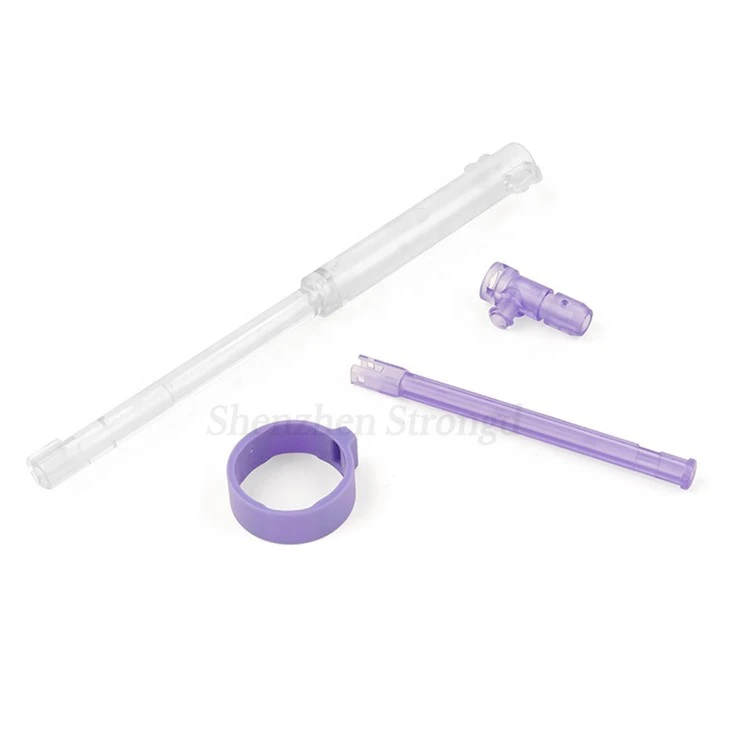
Insulation components are another area where silicon rubber casting can be applied. The heat - resistant properties of silicone rubbers make them suitable for insulating electrical wires and components in aerospace vehicles. This helps to prevent overheating and ensures the safe operation of the electrical systems.
Antenna covers are also potential applications. The ability to cast complex shapes with silicon rubber allows for the production of custom - designed antenna covers that can protect the antennas while maintaining their performance.
Our Role as a Silicon Rubber Casting Supplier
As a supplier of silicon rubber casting services, we are committed to providing high - quality products for aerospace applications. We have a team of experienced engineers who can work with customers to design and develop custom - made silicone rubber parts. We use the latest technologies and materials to ensure that our products meet the strict requirements of the aerospace industry.
We offer a wide range of silicone rubbers with different properties, allowing us to tailor the parts to the specific needs of each application. Whether it's a high - temperature - resistant seal or a radiation - resistant insulation component, we have the expertise to deliver.
In addition to our manufacturing capabilities, we also provide comprehensive testing and quality control services. We test our products for temperature resistance, strength, and other key properties to ensure that they meet the required standards.
Links to Related Products
If you are interested in learning more about our silicon rubber casting services, you can visit the following links:
- Vacuum Casting Silicone Mold: This page provides detailed information about our vacuum - casting silicone molds, which are essential for the silicon rubber casting process.
- Vacuum Casting Rubber for Medical Products: Although focused on medical products, this link also showcases our expertise in using vacuum - casting rubber, which is relevant to aerospace applications as well.
- Rubber Plastic Part Vacuum Casting: Here, you can find more information about our rubber plastic part vacuum - casting services, which can be adapted for aerospace components.
Conclusion and Call to Action
In conclusion, silicon rubber casting has significant potential for aerospace applications. Its ability to produce complex shapes, combined with the favorable properties of silicone rubbers such as temperature resistance, strength - to - weight ratio, and radiation resistance, makes it a viable option for many aerospace components.
If you are in the aerospace industry and are looking for a reliable silicon rubber casting supplier, we would love to hear from you. Our team of experts can work with you to develop the perfect solution for your specific needs. Contact us to start a discussion about your project and explore how our silicon rubber casting services can benefit your aerospace applications.
References
- "Aerospace Materials and Their Properties" by John Doe, published by Aerospace Press.
- "Silicone Rubber Technology" by Jane Smith, published by Polymer Science Publications.
- Industry standards and regulations related to aerospace components.