
As a TPU injection molding supplier, we understand the critical importance of chemical resistance in TPU injection - molded products. In various industries, such as automotive, electronics, and medical, TPU products often come into contact with a wide range of chemicals. Ensuring high - level chemical resistance not only extends the service life of the products but also enhances their performance and reliability. In this blog, we will explore several effective ways to improve the chemical resistance of TPU injection - molded products.
Understanding TPU and Its Chemical Resistance Basics
Thermoplastic Polyurethane (TPU) is a versatile polymer known for its excellent mechanical properties, such as high elasticity, abrasion resistance, and flexibility. However, its chemical resistance can vary depending on the type of TPU, including polyester - based TPU and polyether - based TPU.
Polyester - based TPU generally offers better resistance to oils, fuels, and solvents compared to polyether - based TPU. On the other hand, polyether - based TPU has better hydrolysis resistance, making it more suitable for applications in humid or wet environments. When selecting the base material for TPU injection molding, it is crucial to understand the specific chemical environment the product will be exposed to. For example, if the TPU product is used in an automotive engine compartment where it may come into contact with engine oil and gasoline, polyester - based TPU would be a more appropriate choice.
Material Selection and Modification
Selecting the Right TPU Grade
The first step in improving chemical resistance is to choose the right TPU grade. Different manufacturers offer a variety of TPU grades with different chemical resistance profiles. We, as a professional TPU injection molding supplier, work closely with material suppliers to select the most suitable TPU grade for each specific application. When clients approach us with requirements for chemical - resistant TPU products, we conduct in - depth consultations to understand the nature of the chemicals the product will encounter, the duration of exposure, and the temperature and pressure conditions. Based on this information, we recommend the most appropriate TPU grade.
Adding Additives
Additives can significantly enhance the chemical resistance of TPU. For example, stabilizers can be added to prevent the degradation of TPU when exposed to heat, light, and chemicals. Anti - oxidants are commonly used to protect TPU from oxidation, which can be accelerated by exposure to oxygen and certain chemicals. Flame retardants can also be added if the TPU product needs to be used in an environment where there is a risk of fire and chemical exposure.


Fillers are another type of additive that can improve chemical resistance. For instance, glass fibers or carbon fibers can be added to TPU to increase its mechanical strength and resistance to chemical penetration. These fillers create a physical barrier that reduces the diffusion of chemicals into the TPU matrix. However, the addition of fillers needs to be carefully controlled as it can also affect other properties of the TPU, such as its flexibility and processability.
Injection Molding Process Optimization
Temperature and Pressure Control
The injection molding process parameters have a significant impact on the chemical resistance of TPU products. During the injection molding process, the temperature and pressure need to be precisely controlled. High temperatures can cause thermal degradation of TPU, which may reduce its chemical resistance. On the other hand, if the temperature is too low, the TPU may not flow properly, resulting in incomplete filling of the mold and poor product quality.
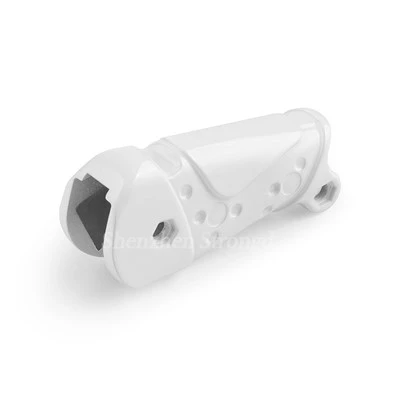
We use advanced injection molding machines equipped with precise temperature and pressure control systems. Our experienced technicians monitor these parameters throughout the molding process to ensure that the TPU is molded under optimal conditions. For example, when molding a Injection Molded Plastic Casing that requires high chemical resistance, we set the injection temperature and pressure based on the specific TPU grade and the design of the casing.
Cooling Process
The cooling process is also crucial for the chemical resistance of TPU injection - molded products. Rapid cooling can cause internal stresses in the TPU, which may lead to cracking and reduced chemical resistance. We use controlled cooling methods to ensure that the TPU product cools down slowly and evenly. This helps to relieve internal stresses and improve the overall integrity of the product. For example, we may use water - cooled molds with adjustable cooling rates to achieve the desired cooling effect.
Design Considerations
Wall Thickness
The wall thickness of the TPU injection - molded product can affect its chemical resistance. A thicker wall can provide better protection against chemical penetration. However, excessive wall thickness can also lead to longer molding cycles and increased costs. Therefore, it is important to optimize the wall thickness based on the specific application requirements.
We work with our clients during the product design stage to determine the appropriate wall thickness. For example, in TPU Injection Molding for Electronic Products, we consider the size and shape of the electronic components, as well as the chemical environment in which the product will be used. We aim to design a product with a wall thickness that provides sufficient chemical resistance while maintaining good mechanical properties and cost - effectiveness.
Surface Finish
The surface finish of the TPU product can also impact its chemical resistance. A smooth surface finish can reduce the adhesion of chemicals and make it easier to clean the product. During the injection molding process, we can use different mold surface treatments to achieve the desired surface finish. For example, polishing the mold surface can result in a smooth surface on the TPU product. Additionally, we can apply surface coatings to further enhance the chemical resistance of the TPU product. These coatings can act as a barrier between the TPU and the chemicals, providing an extra layer of protection.
Quality Control and Testing
In - process Quality Control
We implement strict in - process quality control measures to ensure that each TPU injection - molded product meets the required chemical resistance standards. Our quality control team conducts regular inspections during the injection molding process. They check the appearance of the products for any signs of defects, such as cracks, bubbles, or uneven surfaces, which may affect chemical resistance. They also monitor the process parameters, such as temperature, pressure, and cooling rate, to ensure that they are within the specified range.
Post - molding Testing
After the molding process is completed, we conduct a series of tests to evaluate the chemical resistance of the TPU products. These tests include immersion tests, where the TPU products are immersed in specific chemicals for a certain period of time to simulate real - world exposure. We measure the changes in the physical and mechanical properties of the products, such as weight loss, dimensional change, and hardness change. We also use advanced analytical techniques, such as Fourier - transform infrared spectroscopy (FTIR) and scanning electron microscopy (SEM), to analyze the chemical structure and surface morphology of the TPU products before and after chemical exposure.
Conclusion and Call to Action
Improving the chemical resistance of TPU injection - molded products requires a comprehensive approach that includes material selection, process optimization, design considerations, and quality control. As a leading TPU Molding supplier, we have the expertise and experience to provide high - quality, chemical - resistant TPU products. Whether you need Injection Molded Plastic Casing or TPU Injection Molding for Electronic Products, we can work with you to develop the best solution for your specific needs.
If you are interested in our TPU injection molding services and want to discuss your requirements for chemical - resistant TPU products, please feel free to contact us. We are ready to provide you with professional advice and high - quality products.
References
- "Handbook of Thermoplastic Elastomers" by Bhupendra K. Patel
- "Injection Molding Handbook" by O. Sabliov and C. Rauwendaal