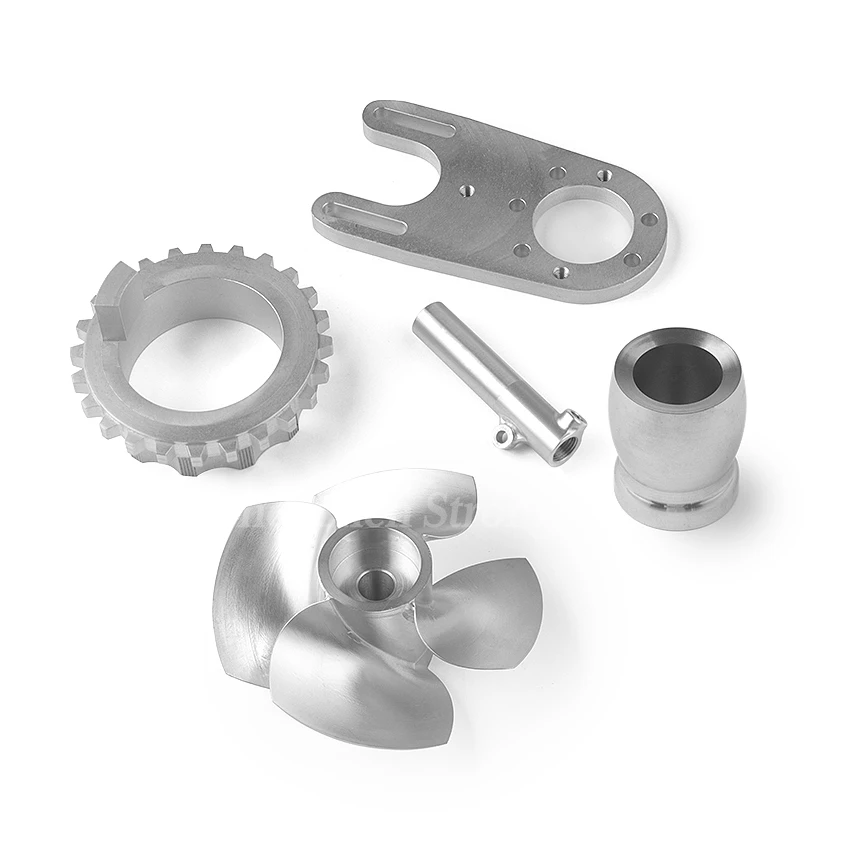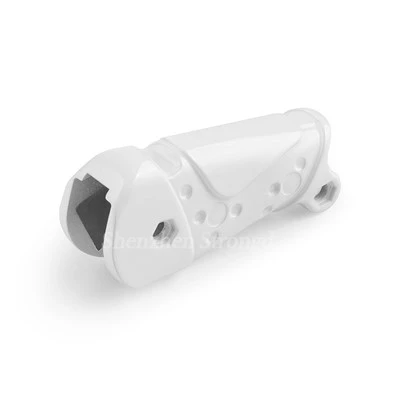

Stereolithography (SLA) 3D printing has emerged as a revolutionary technology in the manufacturing industry, offering high precision, smooth surface finishes, and the ability to create complex geometries. As a leading SLA 3D printing service provider, we often receive inquiries about whether SLA 3D printing can be used to print parts for industrial machinery. In this blog post, we will explore the capabilities of SLA 3D printing in the context of industrial machinery parts, discussing its advantages, limitations, and real - world applications.
Advantages of SLA 3D Printing for Industrial Machinery Parts
High Precision and Detail
One of the most significant advantages of SLA 3D printing is its ability to achieve extremely high levels of precision. SLA printers use a laser to cure liquid resin layer by layer, which allows for the creation of parts with fine details and tight tolerances. For industrial machinery, where components often need to fit together precisely, this high precision is crucial. For example, gears, bearings, and small connectors in industrial machinery require accurate dimensions to ensure proper functioning. SLA 3D printing can produce these parts with the necessary precision, reducing the need for extensive post - processing.


Complex Geometries
Industrial machinery often incorporates parts with complex shapes that are difficult or impossible to manufacture using traditional methods. SLA 3D printing excels in creating such complex geometries. With the freedom of design that 3D printing offers, engineers can design parts with internal channels, lattice structures, and organic shapes. These complex geometries can be used to optimize the performance of industrial machinery, such as reducing weight while maintaining strength or improving fluid flow in hydraulic systems. For instance, a custom - designed impeller for a pump can be 3D printed using SLA technology, with intricate blade shapes that enhance the pump's efficiency.
Smooth Surface Finishes
SLA 3D printed parts typically have smooth surface finishes, which is beneficial for industrial machinery applications. Smooth surfaces reduce friction, wear, and noise in moving parts. In addition, they are easier to clean and maintain, which is important in industries where hygiene and cleanliness are critical, such as food processing and pharmaceutical manufacturing. For example, conveyor belt components or robotic arms in these industries can be 3D printed with SLA to achieve the required smooth surface finish.
Rapid Prototyping
In the development of industrial machinery, rapid prototyping is essential to test new designs and concepts quickly. SLA 3D printing enables rapid production of prototypes, allowing engineers to evaluate the form, fit, and function of parts in a short time. This iterative design process can significantly reduce the time and cost associated with bringing new industrial machinery to market. By quickly printing multiple iterations of a part, engineers can make design improvements based on real - world testing, leading to better - performing final products.
Limitations of SLA 3D Printing for Industrial Machinery Parts
Material Properties
While SLA 3D printing offers a variety of resin materials, the mechanical properties of these materials may not always meet the requirements of industrial machinery. For example, some industrial applications require parts with high strength, heat resistance, or chemical resistance. Although there are high - performance resins available, they may still not match the properties of traditional materials such as metals or high - performance plastics. In applications where parts are subjected to high stress, heavy loads, or extreme temperatures, alternative manufacturing methods may be more suitable.
Production Volume
SLA 3D printing is generally more suitable for low - to - medium volume production. The printing process is relatively slow compared to mass - production methods such as injection molding. For large - scale production of industrial machinery parts, the time and cost associated with SLA 3D printing may become prohibitive. However, for small - batch production, custom parts, or spare parts, SLA 3D printing can be a cost - effective solution.
Post - Processing Requirements
Although SLA 3D printed parts have smooth surface finishes, they still require some post - processing steps. After printing, parts need to be removed from the build platform, washed to remove excess resin, and cured further to improve their mechanical properties. In some cases, additional finishing operations such as sanding, polishing, or painting may be required. These post - processing steps add to the overall production time and cost.
Real - World Applications of SLA 3D Printing in Industrial Machinery
Jigs and Fixtures
Jigs and fixtures are essential tools in the manufacturing of industrial machinery. They are used to hold workpieces in place during machining, assembly, or inspection processes. SLA 3D printing can be used to create custom jigs and fixtures quickly and cost - effectively. The ability to design and print complex shapes allows for the creation of jigs and fixtures that are optimized for specific parts and processes. For example, a custom - designed fixture for holding a complex - shaped component during a milling operation can be 3D printed using SLA technology, reducing the setup time and improving the accuracy of the machining process.
Custom - Made Components
In many industrial machinery applications, off - the - shelf components may not meet the specific requirements of a particular machine. SLA 3D printing enables the production of custom - made components that are tailored to the exact needs of the machinery. For example, a unique housing for an electronic control unit in an industrial robot can be 3D printed using SLA, with features such as cable management channels and mounting points designed specifically for the robot's configuration.
Spare Parts
Maintaining a large inventory of spare parts for industrial machinery can be costly and space - consuming. SLA 3D printing offers a solution for on - demand production of spare parts. Instead of storing a large number of spare parts, companies can simply print the parts they need when they need them. This reduces inventory costs and ensures that machinery can be quickly repaired and put back into operation. For example, if a small gear in an industrial conveyor system breaks, a replacement gear can be 3D printed using SLA technology in a short time.
Our SLA 3D Printing Service for Industrial Machinery Parts
As an SLA 3D printing service provider, we have the expertise and equipment to meet the diverse needs of industrial machinery manufacturers. We offer a wide range of resin materials, including standard, high - strength, and heat - resistant resins, to ensure that the printed parts meet the required mechanical and chemical properties. Our state - of - the - art SLA printers can achieve high precision and fine details, allowing us to produce complex industrial machinery parts with ease.
We also provide comprehensive post - processing services, including support removal, washing, curing, and finishing. Our team of experienced engineers and technicians can work closely with customers to optimize the design of parts for 3D printing, ensuring the best possible results. Whether you need a single prototype or a small - batch production of industrial machinery parts, we can provide a cost - effective and efficient solution.
If you are interested in our 3D Resin Printing or 3D Printing Plastic Parts services for industrial machinery, or if you have specific requirements for SLA 3D Printing Pc Parts, please feel free to contact us. We are ready to discuss your project and provide you with a detailed quote. Our goal is to help you bring your industrial machinery designs to life with high - quality 3D printed parts.
Conclusion
In conclusion, SLA 3D printing has significant potential for printing parts for industrial machinery. Its advantages in terms of high precision, complex geometries, smooth surface finishes, and rapid prototyping make it a valuable option for many industrial applications. However, it also has some limitations, such as material properties and production volume. By understanding these advantages and limitations, industrial machinery manufacturers can make informed decisions about whether SLA 3D printing is the right solution for their specific needs. As an SLA 3D printing service provider, we are committed to helping our customers leverage the benefits of this technology to improve the design, production, and performance of their industrial machinery.
References
- Gibson, I., Rosen, D. W., & Stucker, B. (2015). Additive Manufacturing Technologies: 3D Printing, Rapid Prototyping, and Direct Digital Manufacturing. Springer.
- Wohlers, T., & Wohlers Associates. (2020). Wohlers Report 2020: 3D Printing and Additive Manufacturing State of the Industry Annual Worldwide Progress Report.