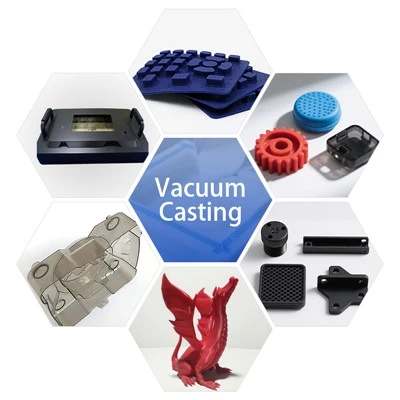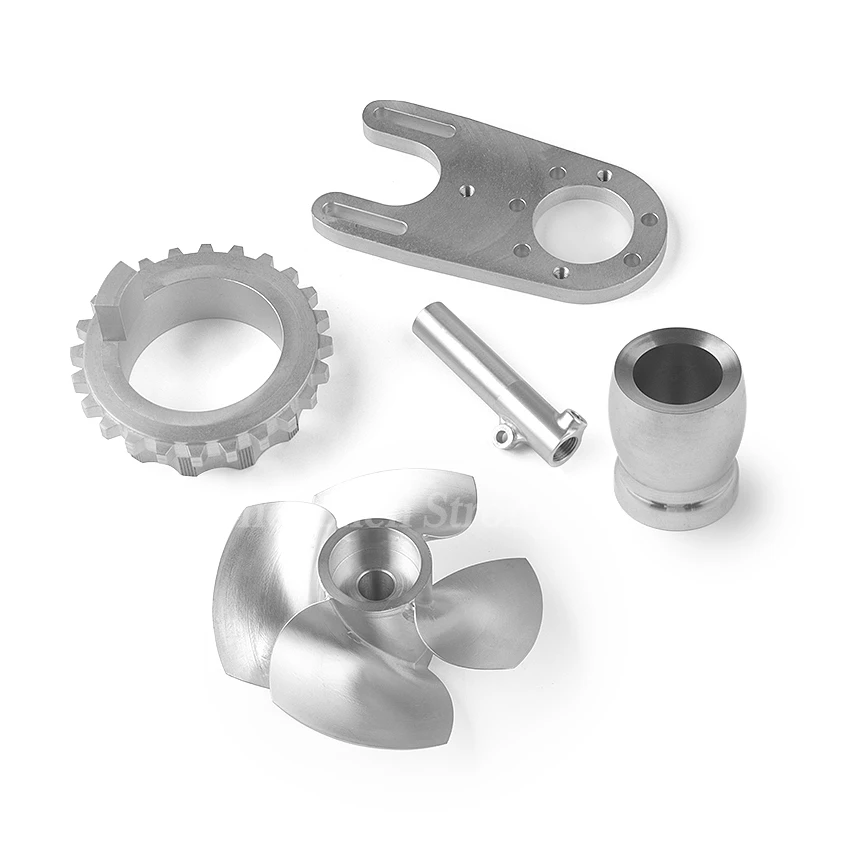

Hey there! As a supplier of Vacuum Casting Parts, I've faced my fair share of challenges when it comes to ensuring the consistency of these parts. In this blog, I'll share some tips and tricks that I've learned over the years to help you get the most consistent results in your vacuum casting projects.
Understanding the Basics of Vacuum Casting
Before we dive into the details of ensuring consistency, let's quickly go over the basics of vacuum casting. Vacuum casting is a process that involves creating a silicone mold of a master part and then using that mold to cast multiple copies of the part in a variety of materials, such as urethane or epoxy. The process is typically done in a vacuum chamber to remove any air bubbles from the material, resulting in a high-quality, detailed part.
The Importance of Consistency
Consistency is crucial in vacuum casting for several reasons. First and foremost, it ensures that each part meets the same quality standards. This is especially important in industries where precision and reliability are key, such as aerospace, automotive, and medical. If parts are not consistent, they may not fit together properly or perform as expected, which can lead to costly repairs or even safety hazards.
In addition to quality, consistency also plays a role in cost-effectiveness. When parts are consistent, you can produce them more efficiently, reducing waste and saving time and money. This is particularly important for large production runs, where even small variations in part quality can add up to significant costs over time.
Factors Affecting Consistency
There are several factors that can affect the consistency of vacuum casting parts. Let's take a closer look at some of the most important ones:

1. Master Part Quality
The quality of the master part is the foundation of a successful vacuum casting project. If the master part has any defects, such as scratches, warping, or dimensional inaccuracies, these will be transferred to the silicone mold and ultimately to the cast parts. To ensure the highest quality master part, it's important to use a high-quality 3D printing or machining process and to thoroughly inspect the part before using it to create the mold.
2. Silicone Mold Quality
The silicone mold is another critical factor in ensuring consistency. A good silicone mold should be flexible enough to release the parts easily but also rigid enough to maintain its shape during the casting process. It's important to use a high-quality silicone material and to follow the manufacturer's instructions carefully when mixing and pouring the silicone. Any air bubbles or voids in the mold can cause defects in the cast parts, so it's essential to degas the silicone thoroughly before pouring it into the mold.
You can learn more about the process of Silicone Mold Plastic Casting on our website.
3. Material Selection
The choice of casting material can also have a significant impact on part consistency. Different materials have different properties, such as viscosity, shrinkage rate, and curing time, which can affect the final part quality. It's important to choose a material that is suitable for your specific application and to follow the manufacturer's recommendations for mixing, pouring, and curing.
4. Process Control
Maintaining consistent process parameters is essential for ensuring part consistency. This includes factors such as temperature, pressure, and mixing ratios. Even small variations in these parameters can cause significant differences in the final part quality. It's important to use calibrated equipment and to monitor the process closely to ensure that all parameters are within the specified range.
Tips for Ensuring Consistency
Now that we've discussed the factors that can affect consistency, let's look at some tips for ensuring consistent results in your vacuum casting projects:
1. Use High-Quality Materials
As mentioned earlier, using high-quality materials is essential for ensuring part consistency. This includes the master part, silicone mold, and casting material. Invest in the best materials you can afford, and don't skimp on quality to save money.
2. Follow Standard Operating Procedures (SOPs)
Developing and following SOPs is crucial for maintaining consistent process parameters. SOPs should include detailed instructions for each step of the vacuum casting process, from master part preparation to part finishing. Make sure all employees are trained on the SOPs and that they follow them consistently.
3. Conduct Regular Quality Checks
Regular quality checks are essential for identifying and correcting any issues before they become major problems. This includes inspecting the master part, silicone mold, and cast parts for defects, as well as measuring the dimensional accuracy of the parts. Use a variety of inspection tools, such as calipers, micrometers, and coordinate measuring machines (CMMs), to ensure accurate measurements.
4. Maintain a Clean and Organized Workspace
A clean and organized workspace is essential for ensuring consistent results. Keep your work area free of debris, dust, and other contaminants, and make sure all equipment is properly maintained and calibrated. This will help prevent defects in the cast parts and ensure that the process runs smoothly.
5. Continuously Improve Your Process
Finally, it's important to continuously improve your vacuum casting process. This includes analyzing your data, identifying areas for improvement, and implementing changes to your SOPs and equipment as needed. By constantly striving to improve, you can ensure that your parts are of the highest quality and that your production process is as efficient as possible.
Case Study: Ensuring Consistency in Vacuum Casting Plastic Case Production
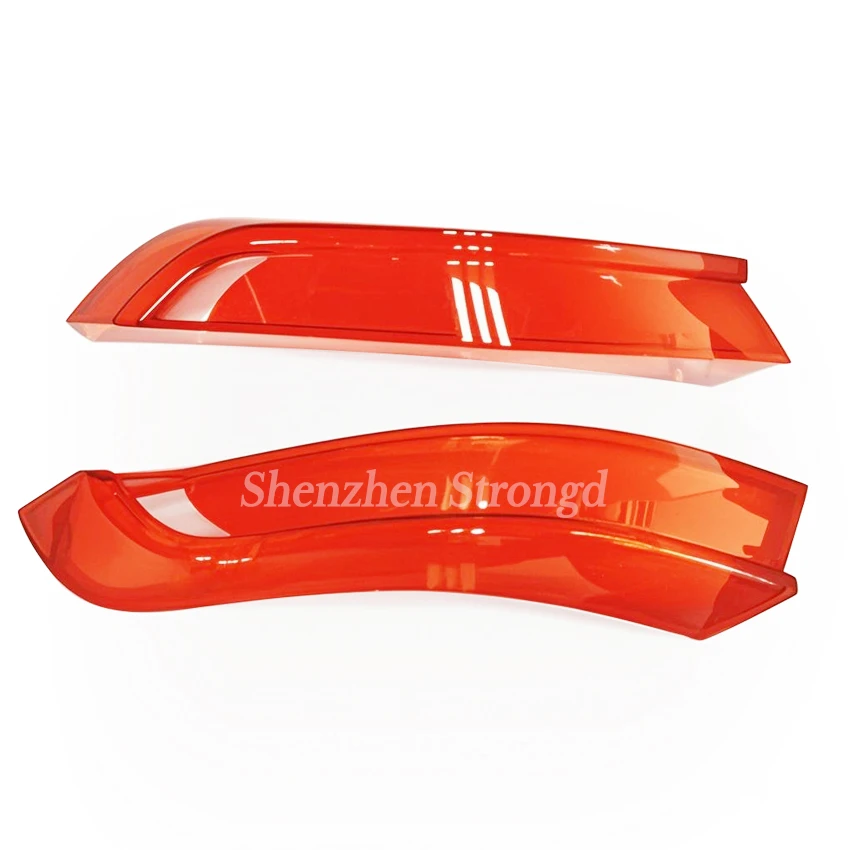
Let's take a look at a real-world example of how these tips can be applied to ensure consistency in vacuum casting. Suppose you're a supplier of Vacuum Casting Plastic Case for electronic devices. Here's how you can use the tips we've discussed to ensure consistent results:
1. Master Part Quality
Start by creating a high-quality master part using a 3D printing or machining process. Make sure the part is free of defects and has the correct dimensions. Thoroughly inspect the part before using it to create the silicone mold.
2. Silicone Mold Quality
Use a high-quality silicone material and follow the manufacturer's instructions carefully when mixing and pouring the silicone. Degas the silicone thoroughly to remove any air bubbles or voids. Inspect the mold for defects before using it to cast the parts.
3. Material Selection
Choose a casting material that is suitable for your specific application, such as a high-strength urethane or epoxy. Follow the manufacturer's recommendations for mixing, pouring, and curing the material.
4. Process Control
Maintain consistent process parameters, such as temperature, pressure, and mixing ratios. Use calibrated equipment and monitor the process closely to ensure that all parameters are within the specified range.
5. Quality Checks
Conduct regular quality checks on the master part, silicone mold, and cast parts. Inspect the parts for defects, such as cracks, bubbles, or dimensional inaccuracies. Use a CMM to measure the dimensional accuracy of the parts and ensure that they meet the specified tolerances.
6. Continuous Improvement
Analyze your data to identify areas for improvement. Implement changes to your SOPs and equipment as needed to improve the consistency and quality of your parts.
Conclusion
Ensuring the consistency of vacuum casting parts is essential for meeting the high-quality standards required in many industries. By understanding the factors that affect consistency and following the tips and best practices outlined in this blog, you can improve the quality and efficiency of your vacuum casting process and produce parts that are consistent, reliable, and of the highest quality.
If you're interested in learning more about our Vacuum Casting Parts or have any questions about the vacuum casting process, please don't hesitate to contact us. We'd be happy to discuss your specific needs and help you find the best solution for your project.
References
- "Vacuum Casting: A Comprehensive Guide" by XYZ Publishing
- "Silicone Molding Techniques" by ABC Press
- "Materials for Vacuum Casting" by DEF Publications