

Hey there! As a supplier of surgical robot parts, I've been thinking a lot lately about the exciting possibilities that could come from integrating surgical robot parts with virtual reality (VR) technology. In this blog, I'll dive into whether this integration is feasible, the potential benefits, and the challenges we might face.
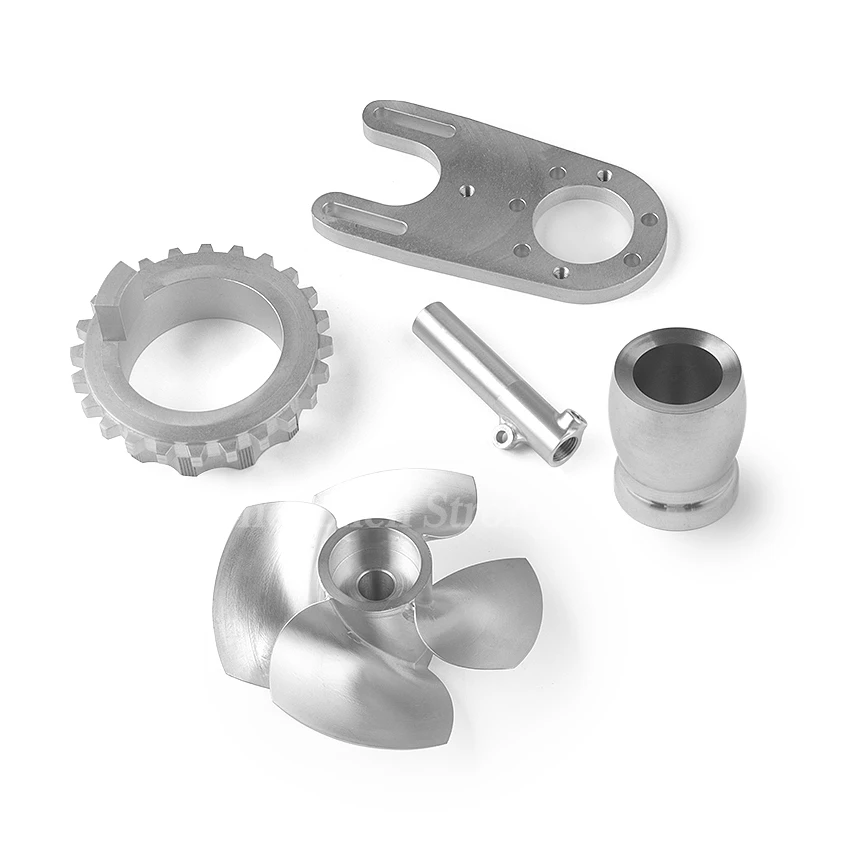
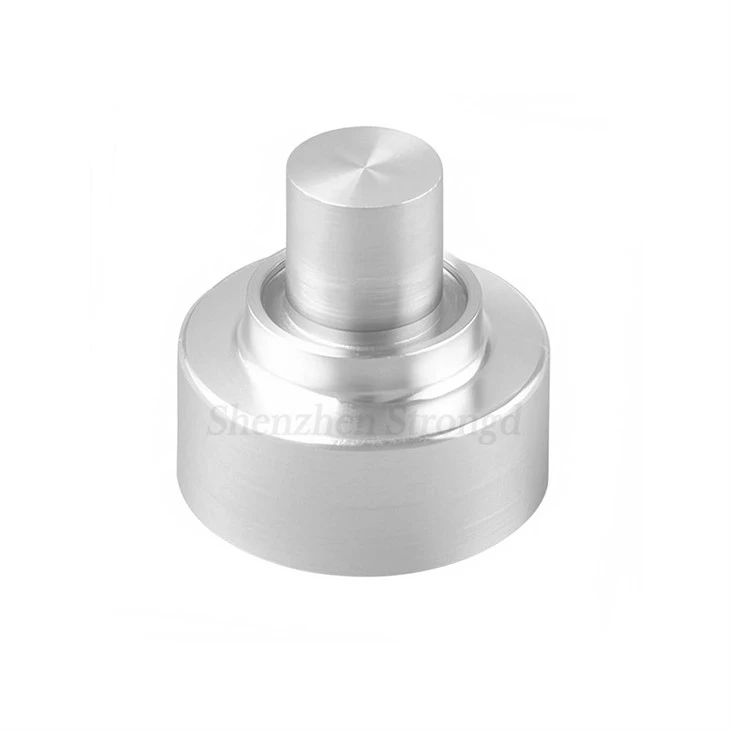
First off, let's talk about what surgical robot parts are all about. I'm in the business of providing all sorts of parts for surgical robots. We've got Metal Robot Body Parts that are strong and durable, Stainless Steel Metal Robot Parts which are resistant to corrosion, and Aluminium Robot Chassis that are lightweight yet sturdy. These parts are the building blocks of surgical robots, enabling them to perform precise and complex procedures.
Now, onto the big question: Can surgical robot parts be integrated with VR technology? The short answer is yes, and there are some really good reasons to do so.
One of the main benefits of integrating VR with surgical robot parts is in the area of training. Surgeons can use VR to practice using surgical robots in a virtual environment. Instead of having to wait for a real - life patient or a physical robot to practice on, they can put on a VR headset and immerse themselves in a simulated surgical scenario. They can manipulate the controls of the virtual surgical robot, which are designed to mimic the real - world robot parts I supply. This kind of training is not only more accessible but also safer. Surgeons can make mistakes in the virtual world without any real - life consequences, and they can repeat the procedures as many times as they need to improve their skills.
Another advantage is in the actual surgical procedure. VR can provide surgeons with a more immersive and detailed view of the patient's anatomy. By integrating VR technology with the sensors and cameras on the surgical robot parts, surgeons can get a 3D, high - resolution view of the surgical site. This can help them to better understand the complex structures they are working on and make more accurate incisions and maneuvers. For example, if a surgeon is using a robot with a camera - equipped arm, the VR system can enhance the visual data from that camera, providing a more realistic and in - depth view.
In addition, VR can also be used to improve the communication between the surgical team. The surgeon can share their VR view with other members of the team, such as nurses and assistants. This allows everyone to have a clear understanding of what the surgeon is seeing and doing, which can lead to better coordination during the operation.
However, integrating surgical robot parts with VR technology is not without its challenges. One of the biggest challenges is the issue of latency. In a surgical setting, even a small delay between the surgeon's actions on the controls and the corresponding movement of the robot parts can be dangerous. VR systems often have some level of latency, and reducing this to an acceptable level for surgical use is a significant technical hurdle.
Another challenge is the complexity of the technology. Combining surgical robot parts with VR requires expertise in both robotics and VR. Developing a seamless integration between the two requires a lot of research and development. There are also regulatory issues to consider. The medical industry is highly regulated, and any new technology that combines surgical robots and VR will need to go through rigorous testing and approval processes.
But despite these challenges, I'm really optimistic about the future of this integration. I believe that with continued research and development, we can overcome these obstacles and bring this technology to the operating room.
As a supplier of surgical robot parts, I'm always looking for ways to stay ahead of the curve. I'm actively exploring partnerships with VR technology companies to see how we can work together to develop solutions that integrate our parts with VR. I think there's a huge market for this kind of technology, and it could revolutionize the way surgeries are performed.
If you're in the medical industry, whether you're a hospital administrator, a surgeon, or someone involved in the procurement of medical equipment, I'd love to talk to you about the possibilities of integrating surgical robot parts with VR technology. We can discuss how our high - quality parts can be part of this exciting new development. Whether you're interested in training solutions or in - operating - room applications, I'm confident that we can find a way to meet your needs. So, if you're looking to take your surgical capabilities to the next level, don't hesitate to reach out and start a conversation about procurement and how we can work together.
References
- "Robotics in Surgery: Current Applications and Future Directions" - Journal of Minimally Invasive Surgery
- "Virtual Reality in Medical Training and Education" - Medical Education Journal
- "Challenges in Integrating Emerging Technologies in Surgical Practice" - Surgical Innovation Review