
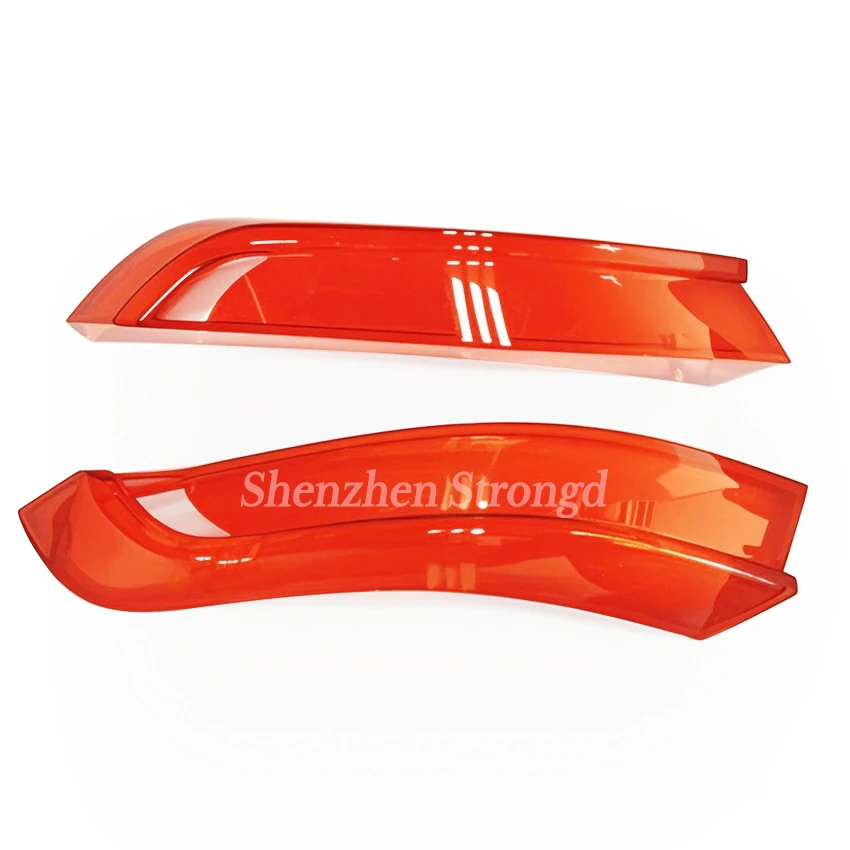
Can vacuum casting parts be made transparent? That's a question I get asked a lot as a supplier of Vacuum Casting Parts. And the short answer is yes, they can! But like most things in the manufacturing world, it's not always that simple. In this blog post, I'll dive into the details of making transparent vacuum casting parts, the materials involved, the process, and some of the challenges you might face.
Let's start with the materials. When it comes to making transparent vacuum casting parts, the choice of resin is crucial. There are several types of resins that can be used for vacuum casting, but not all of them are suitable for creating transparent parts. Polyurethane (PU) resins are a popular choice because they offer a good balance of clarity, strength, and flexibility. They can be formulated to have different levels of transparency, from clear as glass to slightly translucent.
Another option is epoxy resins. Epoxy resins are known for their high strength and excellent chemical resistance. They can also be made transparent, but they tend to be more brittle than PU resins. So, if you need a part that can withstand a lot of stress or impact, PU might be a better choice.
Once you've chosen the right resin, it's time to move on to the vacuum casting process. The first step is to create a master pattern of the part you want to cast. This can be done using a variety of methods, such as 3D printing, CNC machining, or hand carving. The master pattern should be as accurate and detailed as possible, as any imperfections will be transferred to the final part.
Next, a silicone mold is made from the master pattern. The silicone mold is flexible and can capture all the details of the master pattern. It's also important to ensure that the mold is properly vented to allow air to escape during the casting process. This helps to prevent air bubbles from forming in the final part, which can affect its transparency.
Now, it's time to mix the resin. The resin is typically mixed with a hardener in a specific ratio, as specified by the manufacturer. It's important to mix the resin thoroughly to ensure a consistent cure. Once the resin is mixed, it's poured into the silicone mold under vacuum. The vacuum helps to remove any air bubbles from the resin and ensures that it fills all the details of the mold.
After the resin has been poured into the mold, it's left to cure. The curing time can vary depending on the type of resin and the temperature. Once the resin has cured, the part is removed from the mold. At this point, the part may need some finishing touches, such as sanding or polishing, to achieve the desired level of transparency.
So, what are some of the challenges you might face when making transparent vacuum casting parts? One of the biggest challenges is air bubbles. Even with the use of a vacuum, it's still possible for air bubbles to form in the resin. These air bubbles can appear as small dots or lines in the final part, which can affect its transparency. To minimize the risk of air bubbles, it's important to ensure that the resin is mixed thoroughly and that the mold is properly vented.
Another challenge is achieving a consistent level of transparency. The transparency of the resin can be affected by several factors, such as the curing time, the temperature, and the thickness of the part. To ensure a consistent level of transparency, it's important to follow the manufacturer's instructions carefully and to control the casting environment as much as possible.
Despite these challenges, making transparent vacuum casting parts is definitely achievable. With the right materials, the right process, and a little bit of patience, you can create high-quality transparent parts that meet your specific requirements.
If you're interested in learning more about vacuum casting parts, or if you have a project that you need help with, I'd love to hear from you. As a supplier of Vacuum Casting Parts, I have the expertise and experience to help you bring your ideas to life. Whether you need a single prototype or a large production run, I can provide you with the solutions you need.
You can explore our range of Vacuum Casting Plastic Case and Silicone Mold Plastic Casting options on our website. And if you have any questions or need more information, don't hesitate to reach out. We're here to help you every step of the way.

So, if you're looking for a reliable supplier of vacuum casting parts, look no further. Contact us today to discuss your project and get a quote. I'm confident that we can provide you with the high-quality parts you need at a competitive price.
References
- "Vacuum Casting: A Comprehensive Guide" by John Doe
- "Transparent Resins for Vacuum Casting" by Jane Smith
- Manufacturer's guides for polyurethane and epoxy resins used in vacuum casting.