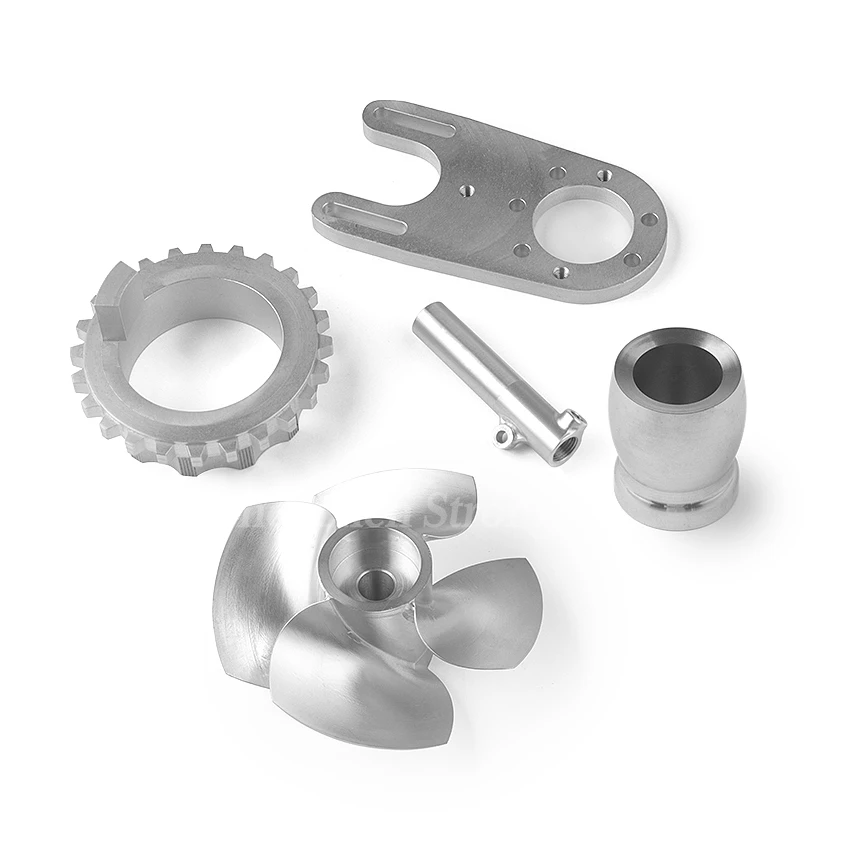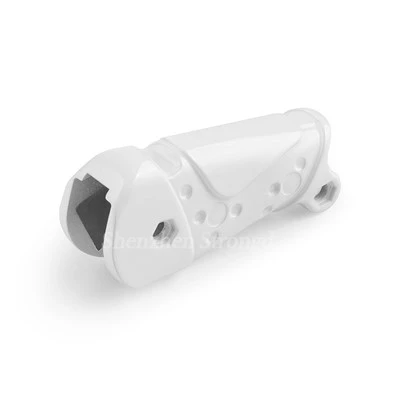

Hey there! I'm a supplier of Metal Robot Body Parts, and today I'm super stoked to take you behind the scenes and show you how these cool metal robot body parts are manufactured. It's a pretty fascinating process, and I can't wait to share it with you.
1. Design Phase
First off, every great robot part starts with a design. This is like the blueprint for the whole thing. Designers use all sorts of high - tech software, like CAD (Computer - Aided Design). They sit down and think about what the part needs to do. Is it a joint that needs to bend in a certain way? Or maybe it's a sturdy frame that has to hold up a heavy load?
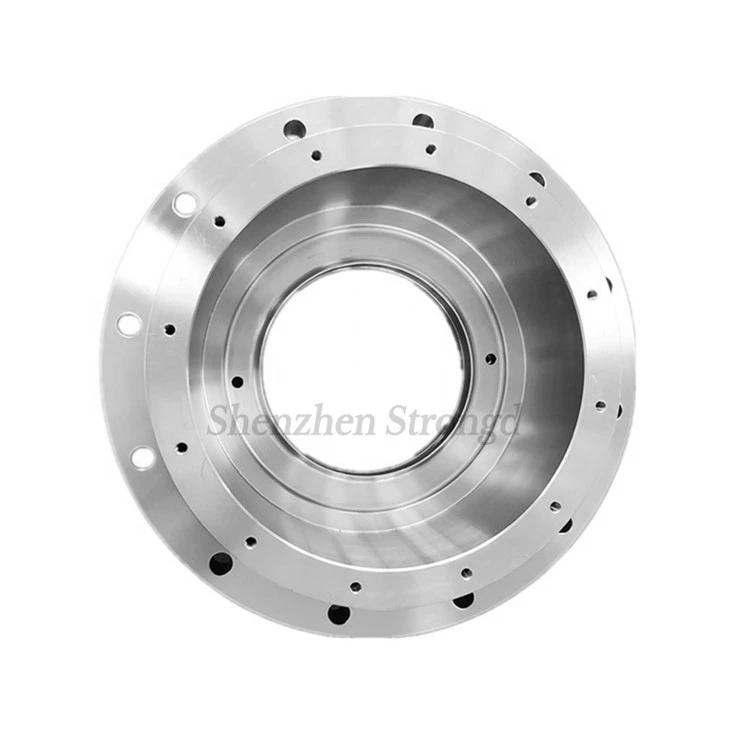

During this phase, they also consider the materials. Different metals have different properties. For example, stainless steel is strong, corrosion - resistant, and looks pretty sleek. It's a popular choice for a lot of robot parts. If you're interested in Stainless Steel Metal Robot Parts, you can check out Stainless Steel Metal Robot Parts.
The designers create detailed 3D models. These models show every little curve, hole, and angle of the part. They can even simulate how the part will work in a real - world situation. This helps them catch any problems early on and make adjustments before moving on to the next step.
2. Material Selection
Once the design is finalized, it's time to pick the right material. As I mentioned before, stainless steel is a big favorite, but there are other options too. Aluminum is lightweight and easy to work with, which is great for parts that need to move quickly. Titanium is incredibly strong and has a high strength - to - weight ratio, but it's also more expensive.
We source our materials from reliable suppliers. We make sure the metals meet strict quality standards. After all, the quality of the material directly affects the quality of the final robot part.
3. Cutting the Metal
Now, it's time to start shaping the metal. One of the most common ways to do this is through cutting. There are a few different cutting methods.
Laser Cutting
Laser cutting is really precise. A high - powered laser beam is focused on the metal, melting and vaporizing it to create the desired shape. It can cut through thin and thick metals alike. The advantage of laser cutting is that it can make very intricate cuts with high accuracy. This is great for parts that have complex designs, like some Humanoid Robot Joint Parts.
Plasma Cutting
Plasma cutting is another option. It uses a jet of hot plasma to cut through the metal. It's faster than laser cutting in some cases, especially for thicker metals. But it's not as precise as laser cutting. So, it's often used for parts where a high level of precision isn't as crucial.
Waterjet Cutting
Waterjet cutting is a unique method. It uses a high - pressure stream of water mixed with an abrasive material to cut through the metal. This method is great because it doesn't generate heat, which can sometimes cause the metal to warp. It's also suitable for a wide range of materials.
4. Machining
After cutting, the parts often need some more fine - tuning through machining. Machining involves using machine tools to remove material from the metal and create the exact shape and size required.
Milling
Milling is a common machining process. A milling machine uses a rotating cutter to remove material from the metal. It can create flat surfaces, slots, and holes. There are different types of milling, like face milling and peripheral milling, depending on what you're trying to achieve.
Turning
Turning is used to create cylindrical parts. The metal is rotated while a cutting tool is fed into it to remove material. This is how you can make things like shafts for robots.
Drilling
Drilling is used to create holes in the metal. You can drill holes of different sizes and depths, depending on the design requirements.
5. Forming
Forming is another important step in manufacturing robot body parts. It involves changing the shape of the metal without removing any material.
Bending
Bending is used to create parts with curves or angles. Special bending machines are used to apply force to the metal and bend it to the desired shape. This is crucial for parts like frames and brackets.
Forging
Forging is a more intense forming process. It involves heating the metal to a high temperature and then using a hammer or a press to shape it. Forging can make the metal stronger and more durable. It's often used for parts that need to withstand high stress.
6. Joining
Many robot parts are made up of multiple pieces that need to be joined together. There are a few different ways to do this.
Welding
Welding is a common joining method. It involves melting the edges of the metal parts and fusing them together. There are different types of welding, like arc welding and TIG (Tungsten Inert Gas) welding. Welding creates a strong, permanent bond between the parts.
Bolting and Screwing
Bolting and screwing are used when you need to be able to disassemble the parts later. Bolts and screws are used to hold the parts together. This is useful for parts that might need maintenance or replacement.
7. Surface Treatment
Once the parts are shaped and joined, they often go through a surface treatment. This can improve the appearance, durability, and performance of the parts.
Painting
Painting can protect the metal from corrosion and give the parts a nice finish. There are different types of paints available, depending on the environment the robot will be operating in.
Coating
Coating is another option. For example, a powder coating can provide a tough, durable finish. It's applied as a dry powder and then cured under heat to form a hard layer on the metal.
8. Quality Control
Quality control is a crucial part of the manufacturing process. We use a variety of methods to ensure that the parts meet our high standards.
Inspection
Inspectors use tools like calipers, micrometers, and coordinate measuring machines (CMMs) to check the dimensions of the parts. They make sure that the parts are within the specified tolerances.
Testing
The parts are also tested to make sure they work as intended. For example, joint parts are tested for their range of motion and strength. If there are any issues, the parts are either re - worked or discarded.
9. Packaging and Shipping
Once the parts pass quality control, they're ready to be packaged and shipped. We use special packaging materials to protect the parts during transit. We want to make sure that the parts arrive at your doorstep in perfect condition.
If you're in the market for high - quality Metal Robot Body Parts, whether it's Humanoid Robot Joint Parts or other types, we've got you covered. If you're interested in learning more about the manufacturing process or want to discuss your specific requirements, feel free to reach out. We'd love to have a chat and see how we can help you with your robot part needs. And if you want to know more about the overall Robot Metal Parts Manufacturing, just click on the link.
References
- "Manufacturing Engineering & Technology" by S. Kalpakjian and S. R. Schmid
- "Modern Manufacturing Processes" by P. G. D. Prasad