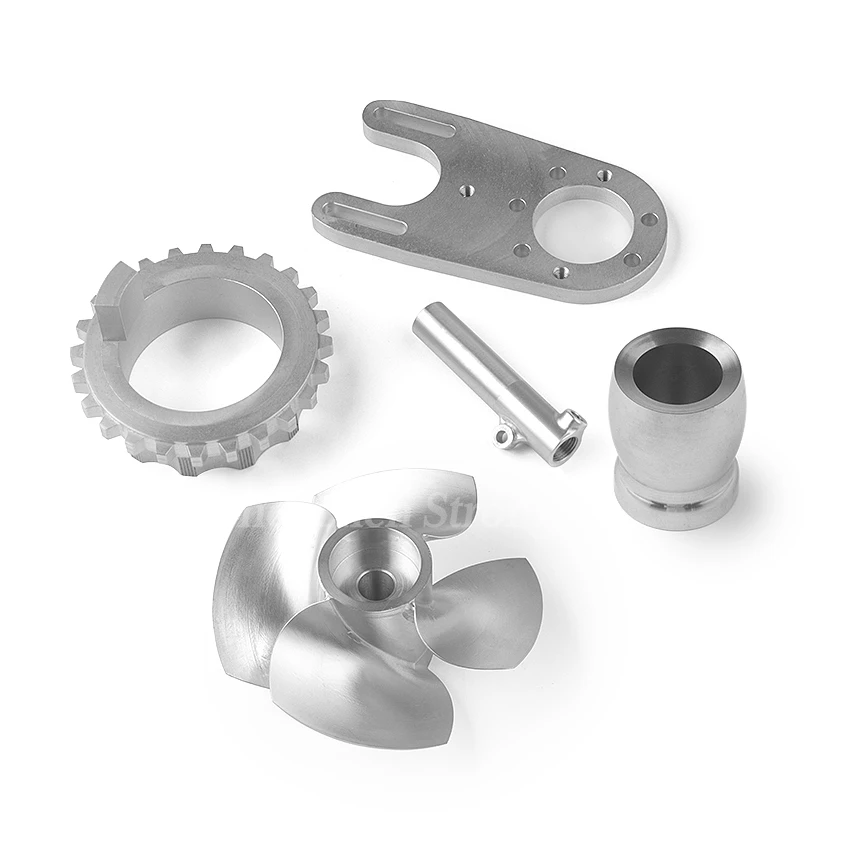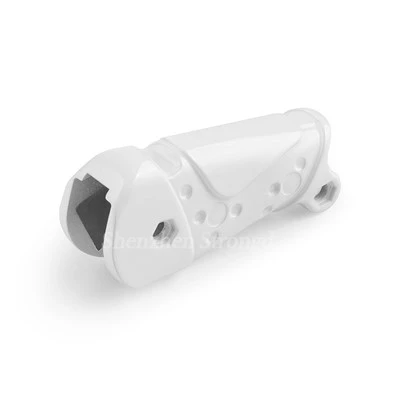

As a provider of SLA 3D printing services, I've witnessed firsthand the intricate relationship between resin density and the quality of 3D printed objects. SLA, or Stereolithography, is a popular 3D printing technology that uses a laser to cure liquid resin layer by layer, creating highly detailed and accurate parts. Resin density, which refers to the mass per unit volume of the resin, plays a crucial role in determining the final outcome of the printing process. In this blog post, I'll delve into how resin density affects SLA 3D printing services and why it's essential to understand this relationship for optimal results.
Understanding Resin Density
Resin density is typically measured in grams per cubic centimeter (g/cm³). Different types of resins have varying densities, which can range from around 1.0 g/cm³ to over 1.5 g/cm³. The density of a resin is influenced by its chemical composition, including the type and concentration of monomers, oligomers, and additives. For example, resins with a higher concentration of fillers or reinforcements tend to have a higher density.
Impact on Print Quality
One of the most significant ways resin density affects SLA 3D printing is through its impact on print quality. A resin with an appropriate density is essential for achieving accurate and detailed prints. If the resin density is too low, the printed parts may be brittle and prone to breakage. This is because the low-density resin may not provide enough structural support during the curing process, resulting in weak and porous parts.
On the other hand, if the resin density is too high, it can lead to issues such as poor layer adhesion and surface finish. High-density resins may be more viscous, making it difficult for the laser to penetrate and cure the resin evenly. This can result in uneven layers, rough surfaces, and even delamination between layers. Therefore, finding the right balance of resin density is crucial for producing high-quality prints with excellent mechanical properties and surface finish.
Influence on Print Speed
Resin density also has an impact on the print speed of SLA 3D printers. Generally, resins with a lower density are easier to cure and flow more freely, allowing for faster printing speeds. This is because the laser can penetrate the resin more quickly, and the resin can spread evenly across the build platform. As a result, lower-density resins can reduce the overall printing time, making them a more cost-effective option for large-scale production.
However, it's important to note that print speed is not the only factor to consider. While lower-density resins may offer faster printing times, they may also sacrifice some print quality. Therefore, it's essential to weigh the trade-off between print speed and quality when selecting a resin for your SLA 3D printing project.
Effects on Material Properties
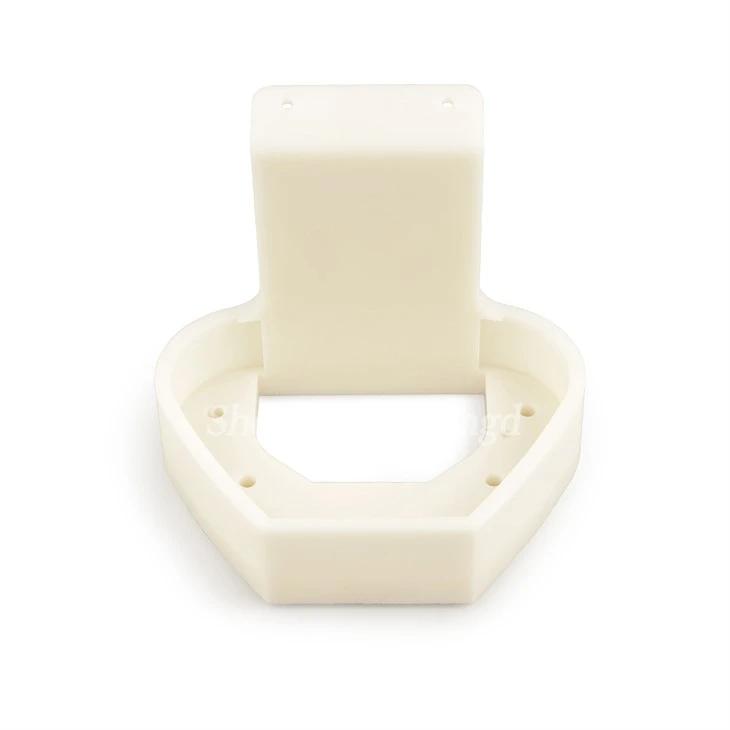
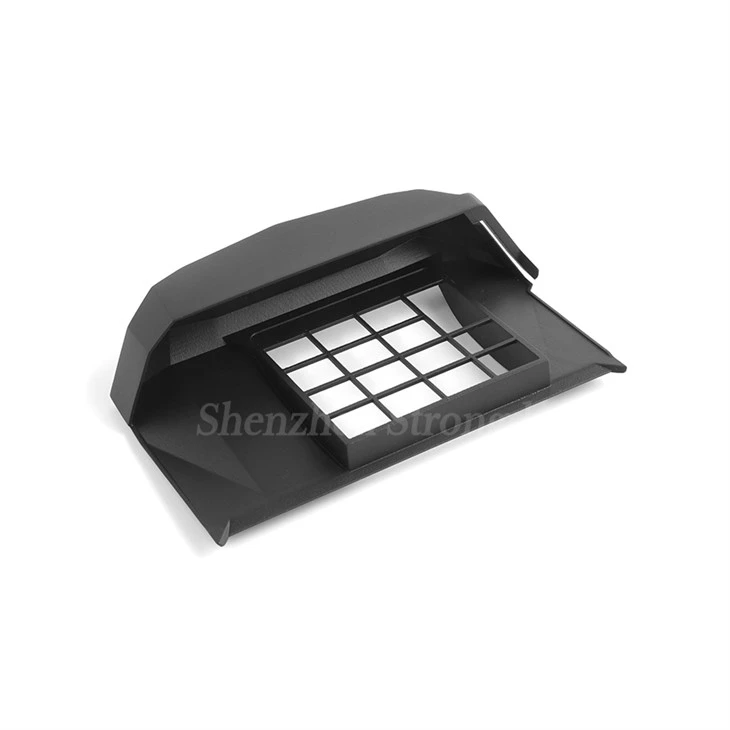
The density of the resin can also affect the material properties of the printed parts. Resins with a higher density often have better mechanical properties, such as higher strength and stiffness. This is because the higher density indicates a higher concentration of polymer chains and fillers, which provide additional reinforcement to the printed parts.
In addition, resin density can also influence the thermal and chemical properties of the printed parts. For example, high-density resins may have better heat resistance and chemical resistance, making them suitable for applications in harsh environments. Therefore, understanding the relationship between resin density and material properties is crucial for selecting the right resin for your specific application.
Considerations for Resin Selection
When choosing a resin for your SLA 3D printing service, there are several factors to consider in addition to resin density. These include the desired print quality, print speed, material properties, and cost. Here are some tips to help you make an informed decision:
- Understand your application requirements: Before selecting a resin, it's important to understand the specific requirements of your application. Consider factors such as the mechanical properties, thermal properties, and chemical resistance needed for your printed parts.
- Evaluate the resin density: As discussed earlier, resin density plays a crucial role in print quality, print speed, and material properties. Choose a resin with an appropriate density based on your application requirements and desired print outcome.
- Test different resins: To find the best resin for your project, it's recommended to test different resins with varying densities. This will allow you to compare the print quality, print speed, and material properties of each resin and make an informed decision.
- Consider the cost: Resin cost is an important factor to consider, especially for large-scale production. While higher-quality resins may be more expensive, they may also offer better print quality and material properties, resulting in a lower overall cost per part.
Conclusion
In conclusion, resin density is a critical factor that affects SLA 3D printing services in several ways. It impacts print quality, print speed, material properties, and cost. As a provider of SLA 3D printing services, it's essential to understand the relationship between resin density and these factors to ensure optimal results for your customers.
If you're interested in learning more about our 3D Printing Model Parts, Resin 3D Printing Parts, or SLA 3D Model Making services, please don't hesitate to contact us. We're here to help you with your SLA 3D printing needs and provide you with the highest quality prints at competitive prices.
References
- Gibson, I., Rosen, D. W., & Stucker, B. (2010). Additive manufacturing technologies: rapid prototyping to direct digital manufacturing. Springer Science & Business Media.
- Hopkinson, N., Hague, R., & Dickens, P. M. (2006). Rapid manufacturing: an industrial revolution for the digital age. John Wiley & Sons.
- Wohlers, T., & Gornet, P. (2017). Wohlers report 2017: 3D printing and additive manufacturing state of the industry. Wohlers Associates.