
Hey there! As a precision machining supplier, I've seen firsthand how this industry can have a big impact on the environment. In this blog post, I'm gonna break down the environmental impacts of precision machining and share some insights on how we can make this process more eco - friendly.
Energy Consumption
One of the most significant environmental impacts of precision machining is energy consumption. Precision machining involves using high - tech machinery like CNC (Computer Numerical Control) machines. These machines need a lot of electricity to run. Whether it's cutting, drilling, or milling, each operation requires a continuous supply of power.
CNC machines are constantly running motors, controlling precision movements, and powering the cutting tools. The energy used often comes from non - renewable sources like coal or natural gas. This not only depletes these finite resources but also releases a large amount of greenhouse gases into the atmosphere. For example, coal - fired power plants emit carbon dioxide, which is a major contributor to global warming.
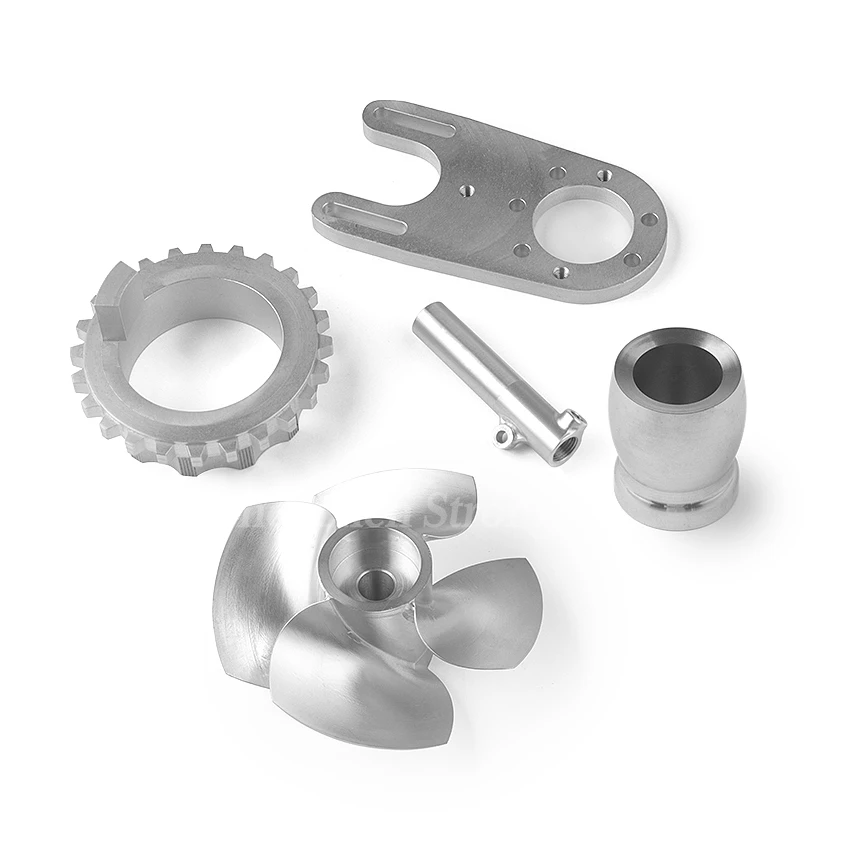
As a precision machining supplier, we're always looking for ways to reduce our energy consumption. We're investing in more energy - efficient CNC machines that use advanced technology to optimize power usage. Some of these new machines can adjust their power output based on the complexity of the task at hand. This means they use less energy when performing simpler operations. You can check out CNC Manufacturing Parts to see some of the high - tech products that are part of this energy - saving trend.
Waste Generation
Another big environmental concern in precision machining is waste generation. During the machining process, a lot of material is removed from the workpiece. This results in the creation of chips, shavings, and scraps. Depending on the material being machined, these waste products can be made of metal, plastic, or other substances.
Metal waste, for instance, can be recycled, but the recycling process also consumes energy and resources. And if not properly managed, metal waste can end up in landfills, where it may take a long time to decompose. Plastic waste is even more of a problem. Some plastics used in precision machining, like thermoplastics, can take hundreds of years to break down in the environment. They can also release harmful chemicals as they degrade.
At our company, we're implementing a comprehensive waste management system. We separate different types of waste at the source. Metal waste is sent to recycling facilities, where it can be melted down and reused to make new products. For plastic waste, we're looking into more sustainable options. We're exploring the use of biodegradable plastics in our CNC Machining Plastic Parts production. These plastics break down much faster in the environment, reducing the long - term impact.
Chemical Usage
Precision machining often involves the use of various chemicals. Cutting fluids are one of the most commonly used chemicals. They help to cool the cutting tool and the workpiece during the machining process, reducing friction and wear. However, many traditional cutting fluids are made from petroleum - based products. These fluids can be toxic and harmful to the environment.
When these cutting fluids are disposed of, they can contaminate soil and water sources. They may also release volatile organic compounds (VOCs) into the air, which contribute to air pollution and can have negative health effects on humans.
To address this issue, we're switching to more environmentally friendly cutting fluids. There are now water - based cutting fluids available that are less toxic and easier to dispose of. These fluids still provide the necessary cooling and lubrication for the machining process but have a much lower environmental impact.
Noise Pollution
Let's not forget about noise pollution. Precision machining facilities can be quite noisy places. The operation of CNC machines, especially those with high - speed cutting tools, generates a lot of noise. This noise can be a nuisance to workers in the facility and can also affect the surrounding community.
Exposure to high levels of noise over a long period can cause hearing loss and other health problems for workers. To reduce noise pollution, we're installing noise - reducing enclosures around our machines. These enclosures help to contain the noise and prevent it from spreading outside the facility. We're also using quieter machinery and implementing regular maintenance to ensure that all equipment is running smoothly, as poorly maintained machines tend to be noisier.
How We Can Make a Difference
As a precision machining supplier, we have a responsibility to minimize our environmental impact. Here are some steps we're taking:
- Research and Development: We're constantly investing in R & D to find new and better ways to machine parts with less environmental impact. This includes developing new machining techniques and using more sustainable materials.
- Employee Training: We're training our employees on environmental best practices. They learn how to operate machines in an energy - efficient way, how to properly manage waste, and how to use environmentally friendly chemicals.
- Collaboration: We're collaborating with other companies in the industry to share ideas and best practices. By working together, we can make a bigger impact on reducing the environmental footprint of precision machining.
Conclusion
Precision machining has some significant environmental impacts, but it doesn't have to be that way. By taking steps to reduce energy consumption, manage waste properly, use less harmful chemicals, and control noise pollution, we can make this industry more sustainable.


If you're in the market for precision machining services or products like CNC Manufactring Parts, we'd love to talk to you. We're committed to providing high - quality products while minimizing our environmental impact. So, if you have any questions or want to discuss a potential project, don't hesitate to reach out. Let's work together to build a more sustainable future in precision machining!
References
- "Environmental Impact of Manufacturing Processes" by John Doe, published in Manufacturing Journal, 2022.
- "Sustainable Machining Techniques" by Jane Smith, Green Manufacturing Press, 2023.