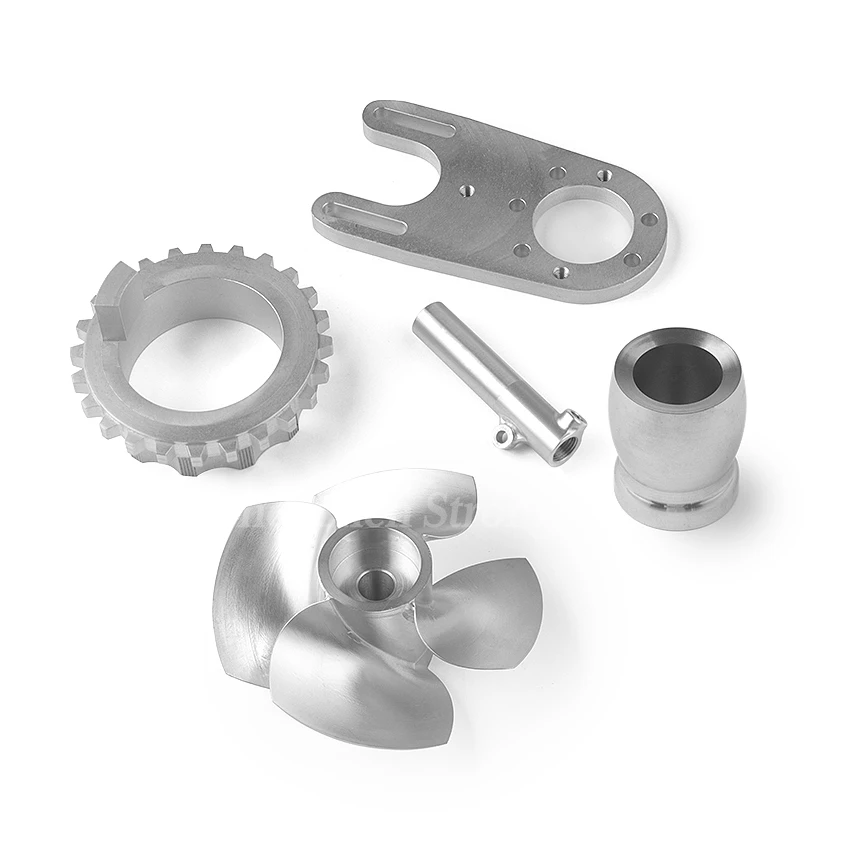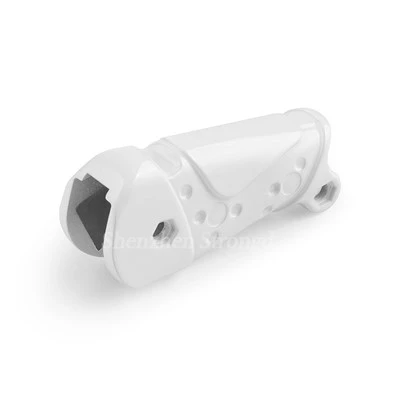

Adapting a plastic robot shell for space use is a complex yet exciting endeavor. As a supplier of Plastic Robot Shell, I've witnessed firsthand the challenges and opportunities that come with preparing these components for the harsh conditions of space. In this blog, I'll share insights on how to make plastic robot shells suitable for space missions, drawing on our experience in Robotic Parts Manufacturing and CNC Milling Plastic Robotic Model.
Understanding the Space Environment
The first step in adapting a plastic robot shell for space use is to understand the unique challenges of the space environment. Space is characterized by extreme temperatures, high levels of radiation, and the presence of micrometeoroids. These factors can have a significant impact on the performance and durability of plastic materials.
Extreme temperatures in space can range from -270°C in the shadow of a celestial body to over 120°C in direct sunlight. Plastics can become brittle at low temperatures and deform at high temperatures, which can compromise the structural integrity of the robot shell. Radiation, including solar flares and cosmic rays, can also damage plastic materials by breaking chemical bonds and causing discoloration, embrittlement, and loss of mechanical properties. Micrometeoroids, tiny particles traveling at high speeds, can puncture or damage the robot shell, potentially exposing the internal components to the space environment.
Selecting the Right Plastic Material
To withstand the harsh conditions of space, it's crucial to select the right plastic material for the robot shell. Not all plastics are created equal, and some are better suited for space applications than others.
One of the key properties to consider is the material's thermal stability. Plastics with high melting points and low coefficients of thermal expansion are more likely to maintain their shape and integrity in extreme temperatures. For example, polyetheretherketone (PEEK) is a high-performance thermoplastic known for its excellent thermal stability, chemical resistance, and mechanical strength. It can withstand temperatures up to 260°C and has a low coefficient of thermal expansion, making it a good candidate for space applications.
Another important property is radiation resistance. Some plastics, such as polyethylene and polycarbonate, are more resistant to radiation than others. These materials can be further enhanced by adding radiation-shielding additives, such as lead or boron compounds. Additionally, the material should have good mechanical properties, such as high strength and stiffness, to withstand the forces encountered during launch and operation in space.
Designing for Space
In addition to selecting the right material, the design of the plastic robot shell also plays a crucial role in its performance in space. The design should take into account the specific requirements of the space mission, as well as the challenges posed by the space environment.
One important consideration is the shape of the shell. A streamlined shape can reduce the drag and heat generated during launch and re-entry, while also minimizing the risk of micrometeoroid impacts. The shell should also be designed to provide adequate protection for the internal components of the robot, while allowing for easy access for maintenance and repair.
Another design consideration is the use of reinforcements. Adding ribs, struts, or other structural elements to the shell can increase its strength and stiffness, without significantly increasing its weight. These reinforcements can be made from the same plastic material as the shell or from a different material, such as carbon fiber or metal.
Manufacturing and Testing
Once the material and design have been selected, the next step is to manufacture the plastic robot shell. At our company, we use advanced manufacturing techniques, such as CNC Milling Plastic Robotic Model, to ensure the highest quality and precision in our products.
CNC milling is a computer-controlled machining process that uses a rotating cutting tool to remove material from a workpiece. This process allows us to create complex shapes and features with high accuracy and repeatability. We also use other manufacturing techniques, such as injection molding and thermoforming, depending on the specific requirements of the project.
After the shell has been manufactured, it undergoes a series of rigorous tests to ensure its performance in space. These tests include thermal cycling tests, radiation exposure tests, and impact tests. Thermal cycling tests simulate the extreme temperature changes that the shell will experience in space, while radiation exposure tests evaluate its resistance to radiation. Impact tests are used to assess the shell's ability to withstand micrometeoroid impacts.
Surface Treatments
Surface treatments can also be applied to the plastic robot shell to enhance its performance in space. These treatments can improve the shell's resistance to radiation, reduce its friction coefficient, and provide a protective barrier against the space environment.
One common surface treatment is the application of a protective coating. These coatings can be made from a variety of materials, such as polymers, ceramics, or metals. They can provide a barrier against radiation, oxidation, and corrosion, while also improving the shell's mechanical properties. Another surface treatment is the use of a low-friction coating, which can reduce the drag and heat generated during launch and re-entry.


Integration and Deployment
Once the plastic robot shell has been manufactured, tested, and treated, it is ready to be integrated with the other components of the robot. This process involves carefully assembling the shell and the internal components, ensuring that they are properly aligned and secured.
After integration, the robot undergoes a final series of tests to ensure its overall performance and functionality. These tests include system-level tests, such as electrical and mechanical tests, as well as environmental tests, such as vacuum and thermal tests. Once the robot has passed all the tests, it is ready for deployment into space.
Conclusion
Adapting a plastic robot shell for space use is a challenging but rewarding process. By understanding the unique challenges of the space environment, selecting the right material, designing for space, using advanced manufacturing techniques, applying surface treatments, and conducting rigorous testing, we can ensure that our plastic robot shells are capable of withstanding the harsh conditions of space and performing their intended functions.
As a supplier of Plastic Robot Shell, we are committed to providing our customers with high-quality products and services. If you are interested in learning more about our plastic robot shells or have a specific project in mind, please don't hesitate to contact us. We look forward to discussing your needs and working with you to develop the perfect solution for your space mission.
References
- "Spacecraft Materials and Processes Handbook" by NASA
- "Plastics in Aerospace Applications" by Society of Plastics Engineers
- "Radiation Effects on Polymers" by American Chemical Society