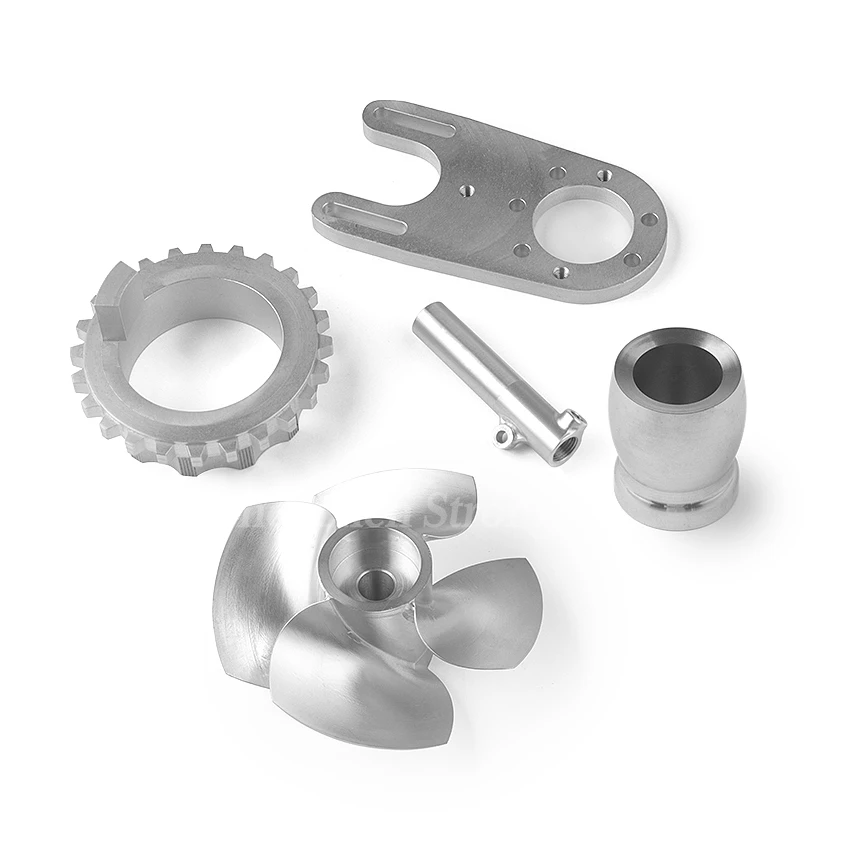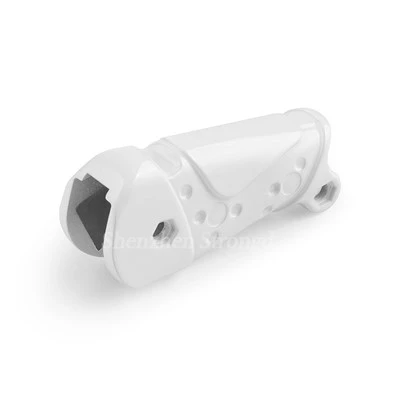

Hey there! If you're into the automotive world or even just tinkering with cars, you know how crucial it is to have the right sheet metal components. As a sheet metal cutting supplier, I've seen it all, and I'm here to share some tips on how to cut sheet metal for automotive parts.
Understanding the Basics of Sheet Metal for Automotive Parts
First off, not all sheet metal is created equal, especially when it comes to automotive applications. The type of metal you choose depends on several factors like the part's function, the vehicle's make and model, and the environment it'll be exposed to.
Common metals used in automotive sheet metal include steel, aluminum, and stainless steel. Steel is strong and durable, making it great for structural parts. Aluminum, on the other hand, is lightweight and corrosion - resistant, perfect for body panels and engine components. Stainless steel offers a good combination of strength and corrosion resistance, often used in exhaust systems.
Tools You'll Need
Before you start cutting, you need to have the right tools at hand. Here are some essentials:
- Shears: These are great for straight cuts on thin sheet metal. There are manual and power shears available. Manual shears are handy for small projects, while power shears can handle larger jobs more efficiently.
- Plasma Cutter: This is a powerful tool that can cut through various thicknesses of sheet metal. It works by heating the metal with a high - temperature plasma arc, making it ideal for complex shapes and thicker metals.
- Laser Cutter: Laser cutters are precise and can create clean, smooth cuts. They're perfect for cutting detailed automotive parts or when you need a high level of accuracy.
If you're not sure which tool to use, you can check out our Sheet Metal Machining Service to see what options are available for your specific project.
Preparing the Sheet Metal
Before making any cuts, you need to prepare the sheet metal properly. Here's how:
- Measure and Mark: Use a measuring tape and a marker to mark the areas you need to cut. Make sure your measurements are accurate, as even a small error can affect the final fit of the automotive part.
- Clean the Metal: Remove any dirt, grease, or rust from the sheet metal. You can use a degreaser or a wire brush for this. A clean surface ensures better cutting results and helps prevent damage to your cutting tools.
- Secure the Metal: Use clamps or a vise to hold the sheet metal firmly in place. This prevents it from moving during the cutting process, which could lead to uneven cuts.
Cutting Techniques
Straight Cuts
If you're making a straight cut, shears are a good option for thinner sheet metal. Start at one end of the marked line and slowly and steadily guide the shears along the line. For thicker metal, a plasma cutter or a laser cutter can be used. Set the appropriate cutting speed and power according to the metal type and thickness.
Curved Cuts
For curved cuts, a jigsaw or a plasma cutter can be used. With a jigsaw, you'll need a blade suitable for cutting metal. Mark the curve on the sheet metal and start cutting slowly, following the curve as closely as possible. A plasma cutter allows for more flexibility in creating complex curves due to its ability to move freely.
Complex Shapes
When cutting complex shapes, laser cutters are the go - to tool. They can accurately follow even the most intricate patterns. Create a digital design of the shape you need using CAD software, and then import it into the laser cutter's control system. The laser will then cut the shape with high precision.
Safety First
Cutting sheet metal can be dangerous, so safety should always be your top priority. Here are some safety tips:
- Wear Protective Gear: This includes safety glasses, gloves, and a face shield. Safety glasses protect your eyes from flying metal chips, while gloves protect your hands from sharp edges.
- Ventilate the Area: If you're using a plasma cutter or other tools that produce fumes, make sure the area is well - ventilated. This helps prevent the inhalation of harmful gases.
- Follow Tool Instructions: Read the user manual of each tool carefully before using it. This ensures that you're using the tool correctly and safely.
Quality Control
After cutting the sheet metal, it's important to perform quality control checks. Here's what you should do:
- Check the Dimensions: Use a caliper or a measuring tape to ensure that the cut parts meet the specified dimensions. Even a small deviation can affect the fit of the automotive part.
- Inspect the Edges: Look for any sharp edges, burrs, or rough spots. These can be smoothed out using a file or a grinder.
- Test the Fit: If possible, test how the cut part fits into its intended location on the vehicle. Make any necessary adjustments if it doesn't fit properly.
Custom Automotive Sheet Metal Parts
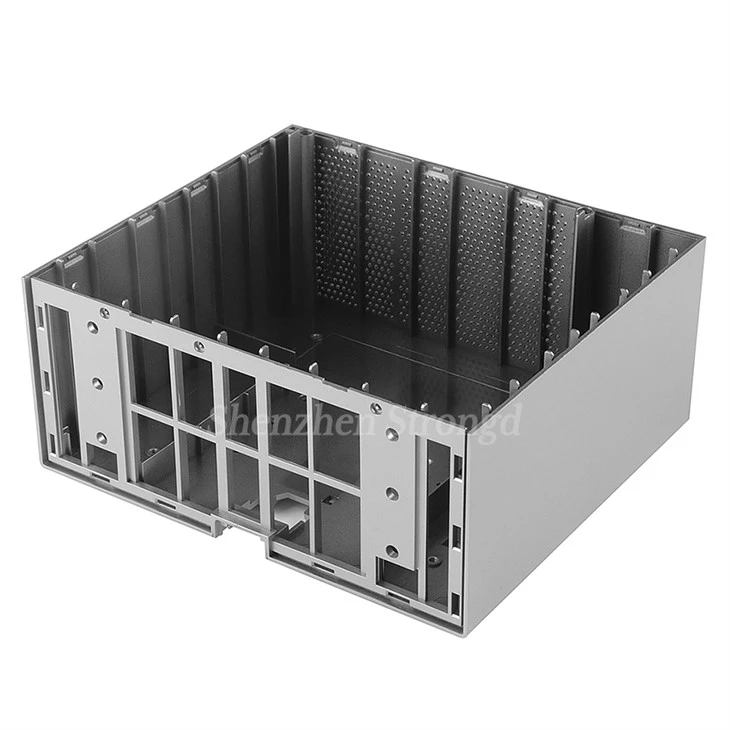
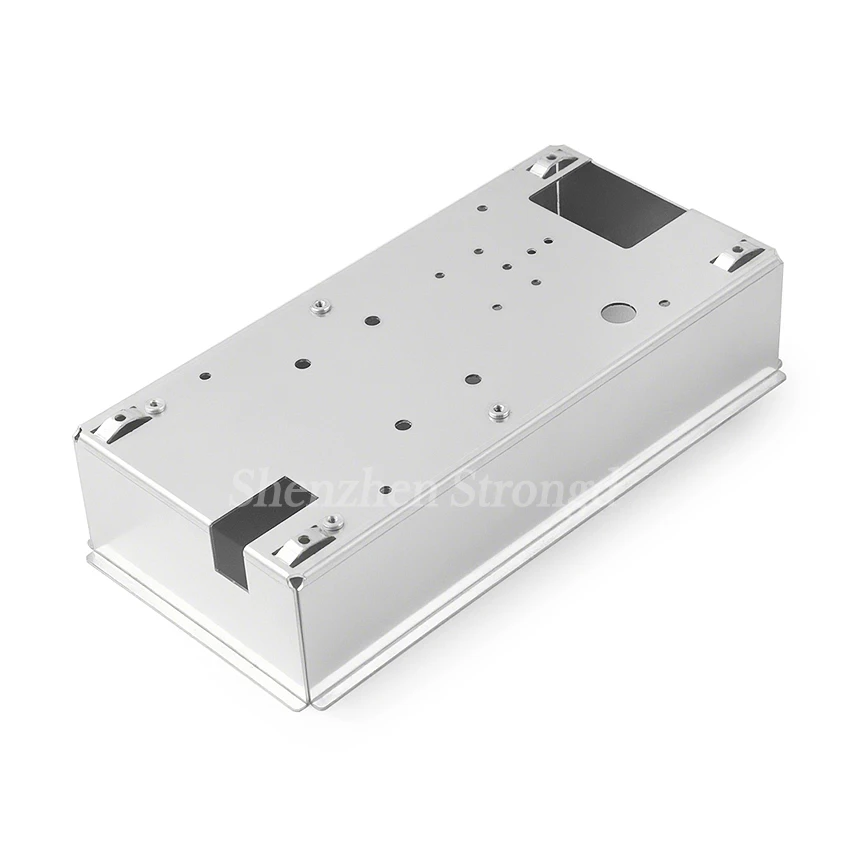
If you have unique requirements for automotive sheet metal parts, we can help. Whether it's a custom - designed body panel or a specialized engine component, our team of experts can work with you to create the perfect solution. Check out our Computer Case Sheet Metal and Sheet Metal Bending Frame services to see some of the custom - made options we offer.
Wrapping Up
Cutting sheet metal for automotive parts requires the right tools, proper preparation, and a focus on safety and quality. By following these tips, you can ensure that you get the best results for your automotive projects. Whether you're a DIY enthusiast or a professional in the automotive industry, having the knowledge and skills to cut sheet metal effectively is a valuable asset.
If you're interested in our sheet metal cutting services for your automotive needs, don't hesitate to reach out for a quote or to discuss your project in more detail. We're here to help you bring your automotive ideas to life with high - quality sheet metal components.
References
- "Automotive Sheet Metal Handbook", various automotive engineering publications
- Manufacturer's manuals for sheet metal cutting tools