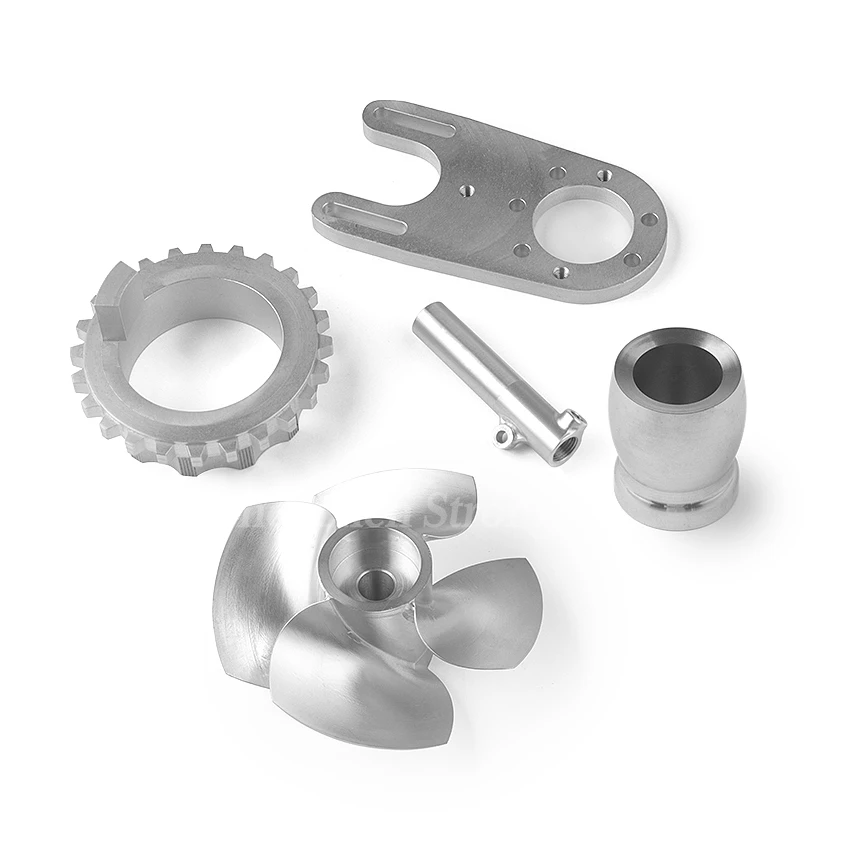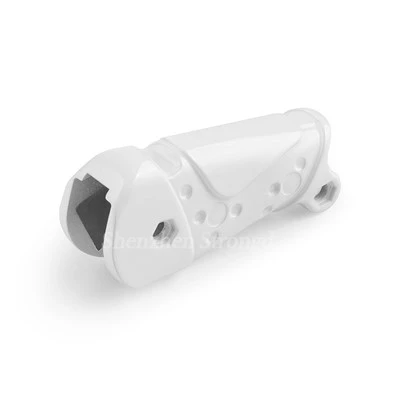

Designing vacuum casting parts for lighting use requires a comprehensive understanding of both lighting requirements and the capabilities of the vacuum casting process. As a supplier of Vacuum Casting Parts, I have had the privilege of working on numerous lighting - related projects. In this blog, I will share some key considerations and steps to design effective vacuum casting parts for lighting applications.
Understanding Lighting Requirements
The first step in designing vacuum casting parts for lighting is to understand the specific requirements of the lighting system. This includes the type of lighting, such as ambient, task, or accent lighting, and the intended application, whether it is for residential, commercial, or industrial use.
For example, in residential lighting, the focus may be on creating a warm and inviting atmosphere. The parts need to have a smooth finish and be aesthetically pleasing. In contrast, industrial lighting often requires parts that are durable and can withstand harsh environments. The color temperature, brightness, and distribution of light are also crucial factors. Different lighting applications may require different levels of brightness, and the parts should be designed to optimize light distribution. For instance, a diffuser part in a ceiling light should be designed to evenly spread the light across the room.
Material Selection
The choice of material is of utmost importance in vacuum casting for lighting parts. There are several factors to consider when selecting a material, including optical properties, mechanical strength, and heat resistance.
Optical Properties: For parts that come into direct contact with light, such as lenses or diffusers, materials with high optical clarity are essential. Polycarbonate (PC) is a popular choice due to its excellent transparency, high impact resistance, and good light - transmitting properties. You can find more information about Vacuum Casting PC Parts. It can be used to create lenses that focus or disperse light effectively.
Mechanical Strength: Lighting parts need to be able to withstand normal handling and environmental stresses. Acrylic is another commonly used material. It has good mechanical strength and is relatively easy to machine. However, it is more brittle compared to polycarbonate.
Heat Resistance: Since lighting fixtures can generate heat, especially in high - intensity applications, the material should have good heat resistance. Some specialized plastics are designed to withstand high temperatures without deforming or losing their optical properties.

Design for Vacuum Casting Process
When designing parts for vacuum casting, it is essential to take into account the limitations and advantages of the process.
Wall Thickness: Uniform wall thickness is crucial in vacuum casting. Uneven wall thickness can lead to issues such as warping, shrinkage, and air bubbles. A general rule of thumb is to keep the wall thickness between 1.5mm and 6mm. If the wall is too thin, it may be difficult to cast the part accurately, and if it is too thick, it can cause longer curing times and potential defects.
Draft Angles: Draft angles are necessary to ensure that the part can be easily removed from the silicone mold. A draft angle of at least 1 - 2 degrees is recommended for vertical walls. This helps to prevent the part from getting stuck in the mold during the demolding process.
Undercuts: While undercuts can add complexity and functionality to the part, they can also pose challenges in vacuum casting. If undercuts are required, special mold - making techniques or the use of multi - piece molds may be necessary.
Mold Design
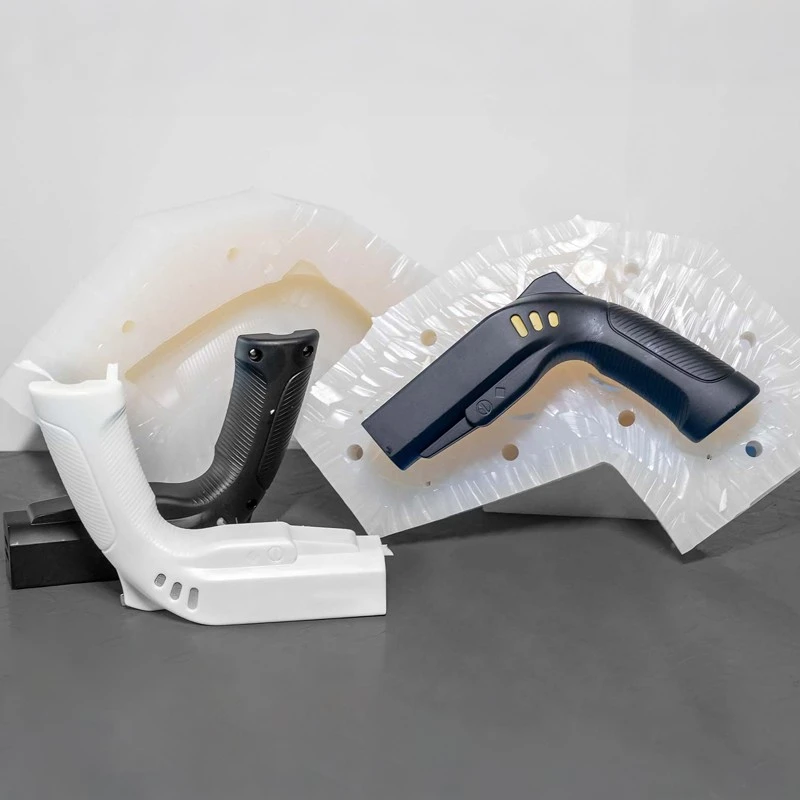
The quality of the mold directly affects the quality of the vacuum - cast parts. Silicone Mold Vacuum Casting is a common method used in the production of lighting parts.
Mold Material: Silicone is the most widely used material for vacuum casting molds due to its flexibility, high tear strength, and good release properties. It can accurately replicate the details of the master pattern.
Mold Design Considerations: The mold should be designed to allow for proper venting to remove air bubbles during the casting process. Gates and runners need to be carefully designed to ensure that the liquid material flows smoothly into all parts of the mold. The location of the gates can also affect the final appearance of the part, so it should be planned accordingly.
Prototyping and Testing
Before mass - producing the lighting parts, it is essential to create prototypes and conduct thorough testing.
Prototyping: Vacuum casting is an excellent method for creating prototypes quickly and cost - effectively. It allows you to test the design, material, and manufacturing process. You can make adjustments to the design based on the results of the prototype testing.
Testing: The prototypes should be tested for various properties, including optical performance, mechanical strength, and heat resistance. For example, the light distribution of a diffuser prototype can be measured using a goniophotometer. The mechanical strength can be tested through impact and flexural tests.
Special Considerations for Automotive Lighting
In the automotive industry, lighting plays a crucial role in safety and aesthetics. Automotive Shell Vacuum Casting is a specialized area that requires additional considerations.
Safety Standards: Automotive lighting parts must comply with strict safety standards. The materials used need to be flame - retardant, and the parts should be designed to withstand vibrations and impacts during vehicle operation.
Aesthetics: The appearance of automotive lighting is also important. The parts should have a smooth finish and be free of defects to meet the high - end aesthetic requirements of the automotive market.
Cost - Effective Design
Designing cost - effective vacuum casting parts for lighting is also a key consideration. This can be achieved through several strategies.
Material Optimization: Selecting the right material based on the specific requirements of the part can help reduce costs. Using less expensive materials without sacrificing performance is a good approach.
Design Simplification: Simplifying the design can reduce the complexity of the mold and the casting process. This can lead to lower production costs and shorter lead times.
Conclusion
Designing vacuum casting parts for lighting use is a complex process that requires a combination of technical knowledge and creativity. By understanding the lighting requirements, selecting the right materials, designing the mold carefully, and conducting thorough testing, high - quality lighting parts can be produced.
As a Vacuum Casting Parts supplier, we are committed to providing our customers with the best - designed parts that meet their specific lighting needs. Whether you are working on a small - scale residential lighting project or a large - scale automotive lighting application, we have the expertise and resources to support you.
If you are interested in our vacuum casting parts for lighting or have any questions about the design process, please feel free to contact us for procurement and further discussions. We look forward to working with you to bring your lighting ideas to life.
References
- "Plastics in Lighting Applications" - A technical guide on the use of plastics in lighting.
- "Automotive Lighting Design and Technology" - A comprehensive book on automotive lighting design.
- Industry standards and guidelines for lighting and vacuum casting processes.