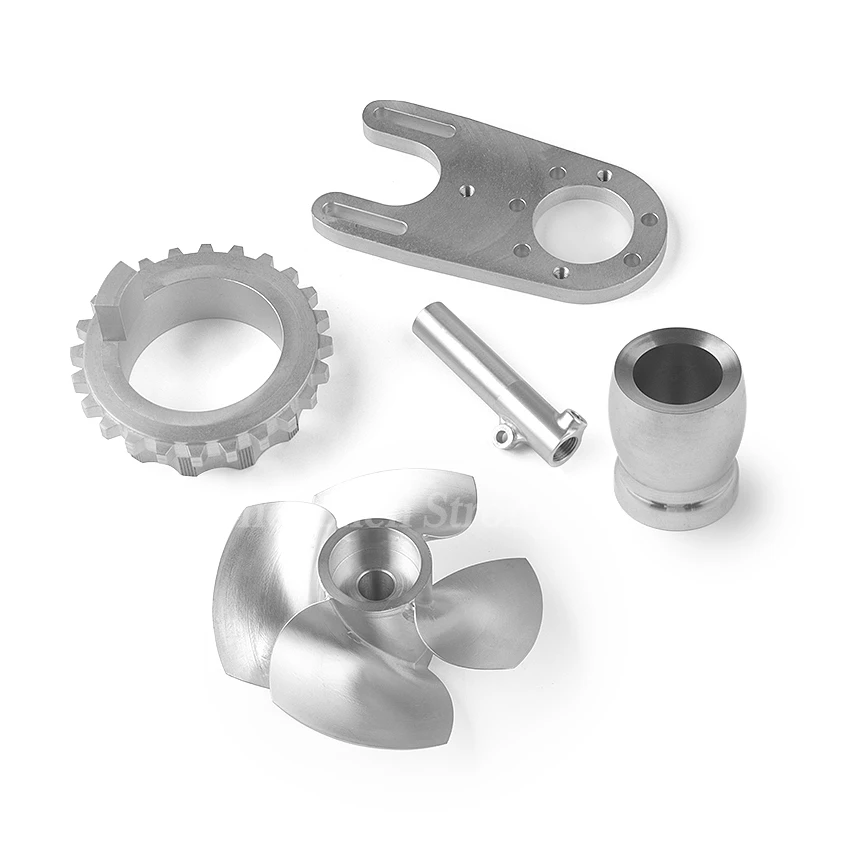

Hey there! I'm a supplier of 3D Printing Model Parts, and today I wanna chat about how to print complex-shaped 3D model parts. It's a topic that's super relevant in our industry, and I've got some insights to share based on my experience.
Understanding the Basics of 3D Printing for Complex Shapes
First off, let's talk about the different types of 3D printing technologies out there. There are a bunch, but for complex-shaped parts, some are better than others. One of the most popular ones is Stereolithography (SLA). It uses a laser to cure liquid resin layer by layer, which allows for really high precision and detailed prints.
SLA is great because it can handle intricate designs that other methods might struggle with. For example, if you've got a model with tiny holes, thin walls, or complex curves, SLA can usually do the job. You can check out SLA 3D Printing ABS Resin Parts to get a better idea of what kind of parts can be made with this technology.
Another option is 3D Resin Printing. It's similar to SLA but might have some differences in terms of the resin used and the printing process. Resin printing can also produce high-quality, complex parts, and it's often used for things like jewelry, dental models, and small mechanical components.
Preparing Your Model for Printing
Once you've decided on the printing technology, the next step is to prepare your 3D model. This is crucial because a poorly prepared model can lead to all sorts of problems during printing.
First, you need to make sure your model is in the right file format. Most 3D printers accept STL files, so you'll want to convert your model to this format if it's not already. There are plenty of software programs out there that can do this for you, like Blender or Meshmixer.
Next, you'll need to check for any errors in your model. This includes things like non-manifold geometry, holes, or overlapping faces. These errors can cause the printer to malfunction or produce a faulty print. You can use software tools to fix these issues before sending your model to the printer.
It's also important to scale your model correctly. You need to make sure it fits within the build volume of your printer and that the dimensions are accurate. You don't want to end up with a part that's too big or too small.

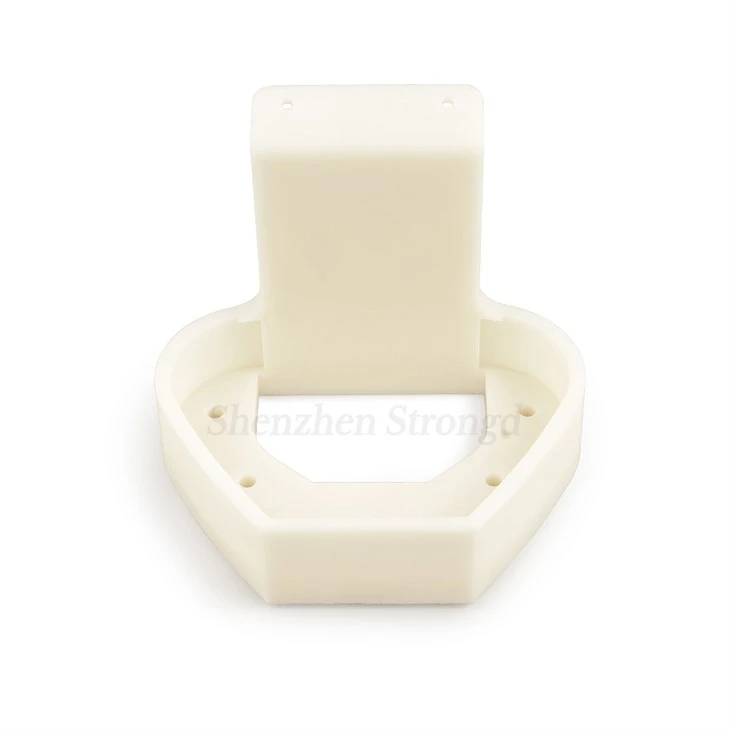
Choosing the Right Materials
The choice of materials is another important factor when it comes to printing complex-shaped 3D model parts. Different materials have different properties, and you need to choose one that's suitable for your specific application.
For SLA and resin printing, there are a variety of resins available. Some are more flexible, while others are more rigid. Some are also designed for specific applications, like heat resistance or biocompatibility. You need to consider the requirements of your part and choose a resin that meets those needs.
If you're printing with other technologies, like Fused Deposition Modeling (FDM), you'll have a different set of materials to choose from. PLA and ABS are two of the most common materials used in FDM printing. PLA is easy to print with and has a low melting point, while ABS is more durable and heat-resistant.
Printing the Complex-Shaped Parts
Now that you've prepared your model and chosen the right materials, it's time to start printing. But before you hit that print button, there are a few things you need to do.
First, you need to set up your printer correctly. This includes leveling the build plate, loading the material, and calibrating the printer. Make sure you follow the manufacturer's instructions carefully to ensure a successful print.
Next, you'll need to adjust the printing settings. This includes things like the layer height, print speed, and infill density. These settings can have a big impact on the quality of your print, so it's important to get them right. For complex-shaped parts, you might need to use a smaller layer height to achieve a smoother finish.
During the printing process, it's important to monitor the printer closely. Check for any signs of problems, like clogging or warping. If you notice any issues, you might need to stop the print and make adjustments.
Post-Processing the Printed Parts
Once the printing is finished, your part is not quite ready yet. You'll need to do some post-processing to get it to the final state.
For SLA and resin prints, this usually involves washing the part in a solvent to remove any uncured resin. You'll also need to cure the part further using a UV light to make it more durable.
For FDM prints, you might need to sand the part to smooth out any rough edges or surfaces. You can also paint the part to give it a more professional look.
Troubleshooting Common Problems
Even with the best preparation and printing techniques, you might still run into some problems when printing complex-shaped 3D model parts. Here are some common issues and how to fix them.
- Warping: This is a common problem with FDM prints, especially when using ABS. To prevent warping, you can use a heated build plate and enclose the printer to keep the temperature consistent.
- Clogging: This can happen in both FDM and SLA printers. If you're using an FDM printer, make sure you're using the right type of filament and that it's not too old. If you're using an SLA printer, make sure the resin is properly filtered and that the printer's resin tank is clean.
- Poor Surface Finish: If your part has a rough or uneven surface finish, you might need to adjust the printing settings. Try using a smaller layer height or a slower print speed.
Conclusion
Printing complex-shaped 3D model parts can be a challenging but rewarding process. By understanding the basics of 3D printing, preparing your model correctly, choosing the right materials, and following the proper printing and post-processing techniques, you can produce high-quality parts that meet your needs.
If you're interested in getting some 3D printed model parts for your project, I'd love to chat. As a 3D Printing Model Parts supplier, I've got the experience and expertise to help you with your printing needs. Whether you're looking for SLA 3D Printing ABS Resin Parts, 3D Resin Printing, or SLA 3D Model Making, I can provide you with the best solutions. So don't hesitate to reach out and let's start a conversation about your project.
References
- Gibson, I., Rosen, D. W., & Stucker, B. (2015). Additive manufacturing technologies: 3D printing, rapid prototyping, and direct digital manufacturing. Springer.
- Wohlers, T., & Wohlers, T. T. (2018). Wohlers report 2018: 3D printing and additive manufacturing state of the industry. Wohlers Associates.