
In the dynamic world of robotics, camera accessories play a pivotal role in enhancing the functionality and performance of robot systems. As a seasoned robot accessories supplier, I've witnessed firsthand the transformative impact that the right camera accessories can have on a robot's capabilities. In this blog post, I'll share some of the best robot camera accessories available in the market, highlighting their features, benefits, and applications.
1. High - Resolution Camera Lenses
High - resolution camera lenses are essential for robots that require clear and detailed image capture. Whether it's for inspection tasks in manufacturing plants or surveillance in security applications, a high - quality lens can make a world of difference.
These lenses are designed to minimize distortion and aberration, ensuring that the images captured by the robot's camera are sharp and accurate. They come in various focal lengths, allowing robots to capture objects at different distances. For example, a wide - angle lens is ideal for robots that need to cover a large area, such as those used in environmental monitoring. On the other hand, a telephoto lens can be used for robots that need to focus on distant objects, like those used in wildlife observation.
When choosing a high - resolution camera lens for a robot, it's important to consider factors such as the sensor size of the camera, the working distance, and the environmental conditions. Some lenses are also designed to be resistant to dust, water, and other harsh elements, making them suitable for outdoor and industrial applications.
2. Infrared (IR) Filters
Infrared filters are another important accessory for robot cameras, especially in applications where the robot needs to operate in low - light or night - time conditions. These filters allow the camera to capture infrared light, which is invisible to the human eye but can provide valuable information in certain scenarios.
For example, in security and surveillance applications, IR filters can help robots detect intruders in the dark. The infrared light reflected off objects can be used to create a clear image, even when there is little to no visible light. In addition, IR filters can also be used in robotics research, such as in the study of animal behavior at night.
IR filters come in different types, including long - pass filters that allow only infrared light to pass through, and band - pass filters that allow a specific range of infrared wavelengths to pass. When selecting an IR filter for a robot camera, it's crucial to match the filter's characteristics with the camera's sensor and the specific requirements of the application.
3. Camera Mounts and Brackets
Camera mounts and brackets are often overlooked but are crucial for ensuring that the robot's camera is properly positioned and stable. These accessories allow the camera to be attached to the robot's body in a way that provides the best field of view and stability.
There are various types of camera mounts available, including fixed mounts, adjustable mounts, and pan - tilt - zoom (PTZ) mounts. Fixed mounts are simple and provide a stable position for the camera, making them suitable for applications where the camera's position does not need to change. Adjustable mounts, on the other hand, allow the camera to be tilted, rotated, or adjusted in different directions, providing more flexibility in terms of the field of view.
PTZ mounts are the most advanced type of camera mounts. They allow the camera to pan horizontally, tilt vertically, and zoom in and out, providing a wide range of viewing angles. These mounts are commonly used in security and surveillance robots, as well as in robots used for inspection and exploration tasks.
4. Image Stabilization Systems
Image stabilization systems are essential for robots that move around or operate in dynamic environments. These systems help to reduce the blurring and shaking of images caused by the robot's movement, ensuring that the captured images are clear and sharp.
There are two main types of image stabilization systems: optical image stabilization (OIS) and electronic image stabilization (EIS). OIS uses mechanical components to physically move the camera lens or sensor to compensate for the movement, while EIS uses software algorithms to analyze and correct the image data.
OIS is generally more effective in reducing image blur, especially in situations where the robot is moving rapidly. However, it is also more expensive and complex. EIS, on the other hand, is more cost - effective and can be implemented in a wider range of cameras. It is suitable for applications where the movement is less severe, such as in indoor inspection robots.

5. Lighting Accessories
Proper lighting is crucial for robot cameras to capture clear and accurate images. Lighting accessories can be used to illuminate the scene, especially in low - light or dark environments.
There are different types of lighting accessories available for robot cameras, including LED lights, infrared lights, and laser lights. LED lights are energy - efficient and can provide bright, white light. They are suitable for a wide range of applications, from indoor inspection to outdoor surveillance.
Infrared lights, as mentioned earlier, are used to provide illumination in low - light or night - time conditions. They are invisible to the human eye, making them ideal for stealthy surveillance applications. Laser lights can be used for specific tasks, such as distance measurement or object detection. They can project a narrow beam of light, allowing the robot to accurately measure the distance to an object or detect its presence.
Our Product Offerings
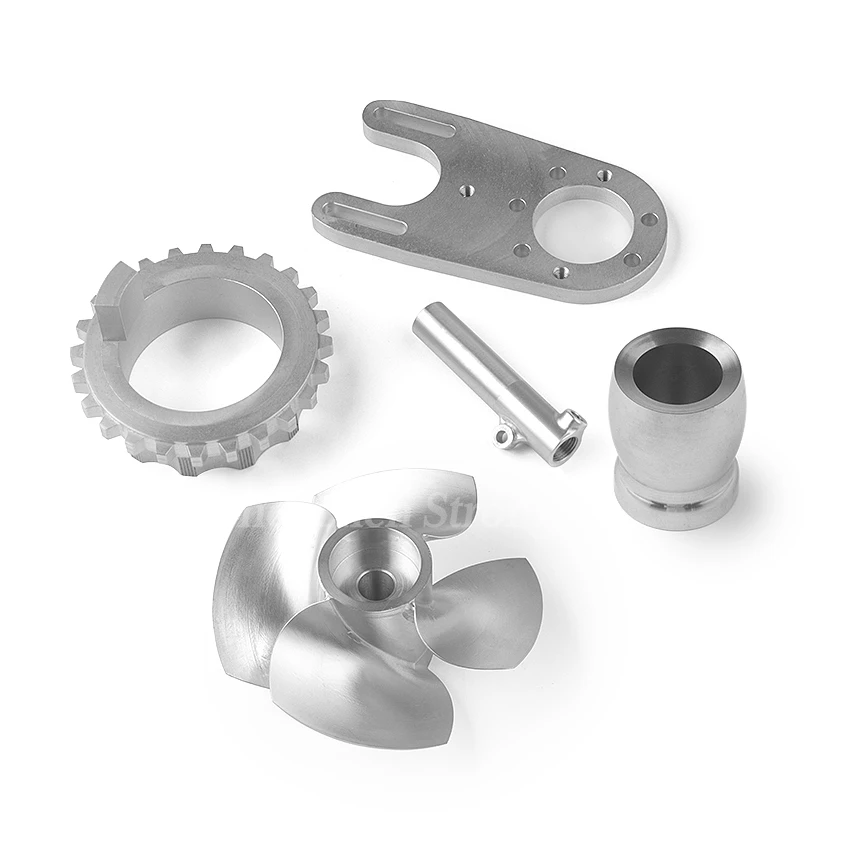
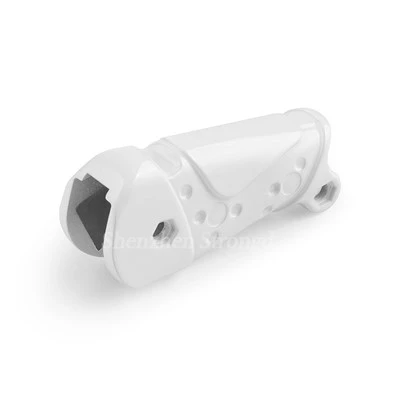
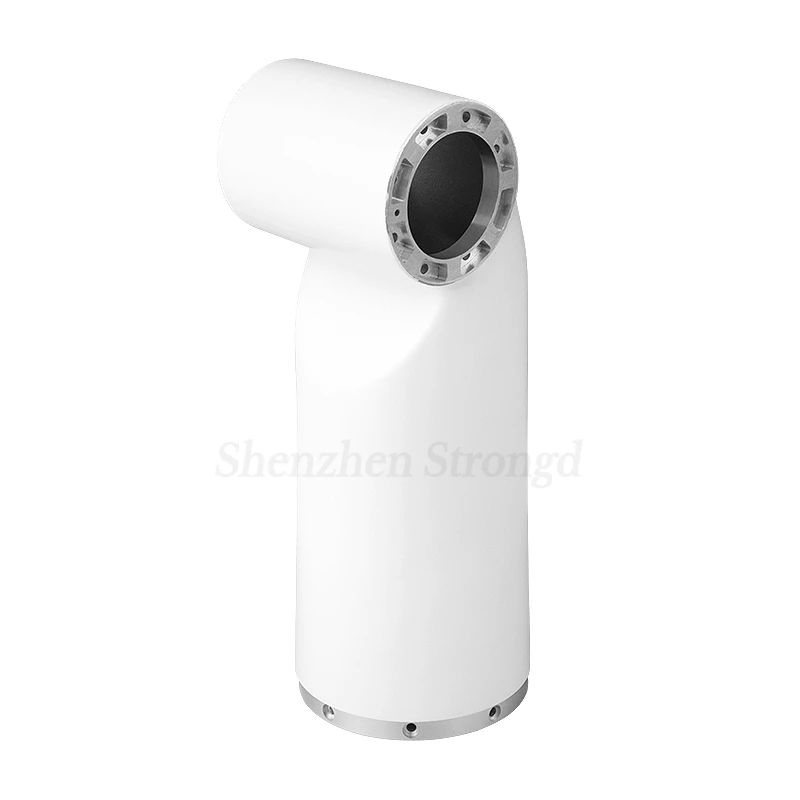
As a robot accessories supplier, we offer a wide range of high - quality camera accessories, as well as other essential robot parts. Our Plastic Robot Shell is designed to provide a durable and lightweight housing for your robot. It is available in different shapes and sizes to meet the specific requirements of your robot design.
Our CNC Robot Arms are precision - engineered to provide high - performance and reliable operation. They are suitable for a variety of applications, including manufacturing, assembly, and material handling.
We also offer Plastic Robot Body Parts that are designed to be modular and easy to assemble. These parts can be used to customize your robot's body, allowing you to create a unique and functional robot.
Conclusion
The right camera accessories can significantly enhance the performance and functionality of a robot. From high - resolution lenses to image stabilization systems and lighting accessories, each accessory plays a crucial role in ensuring that the robot can capture clear, accurate, and useful images.
If you're looking for high - quality robot camera accessories or other robot parts, we'd love to hear from you. Whether you're a robotics researcher, a manufacturer, or an enthusiast, we can provide you with the products and solutions you need. Contact us today to discuss your requirements and start a procurement negotiation.
References
- "Robotics: Vision and Sensing" by John Craig
- "Camera Technology for Robotics" by Peter Corke
- Industry reports from leading robotics research firms.