
Hey there! I'm a supplier of CNC parts, and let me tell you, producing complex - shaped CNC parts is no walk in the park. There are a whole bunch of challenges that come with it, and I'm gonna share some of the major ones with you.
Material Selection
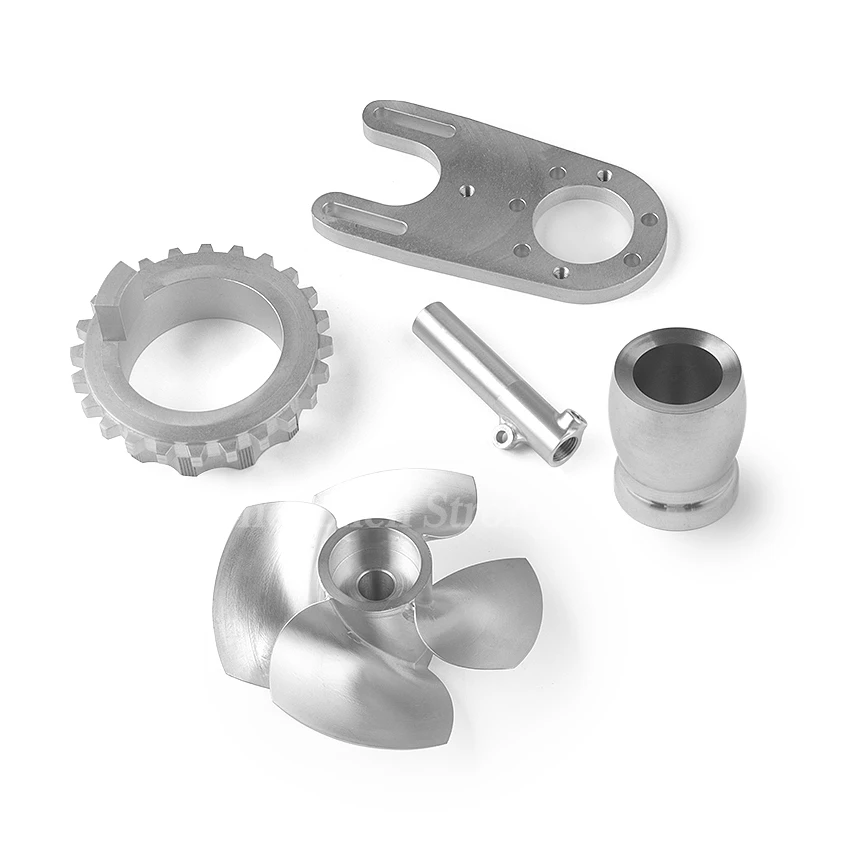
First off, material selection is a huge deal. When you're making complex - shaped parts, you need to pick a material that can handle the machining process without cracking, warping, or deforming. For example, if you're going for CNC Turning Metal Parts, metals like aluminum and stainless steel are popular choices. But here's the thing: each material has its own quirks. Aluminum is lightweight and easy to machine, but it can be prone to surface finish issues. Stainless steel, on the other hand, is strong and corrosion - resistant, but it's a lot harder to cut, which means you need more powerful tools and slower machining speeds.
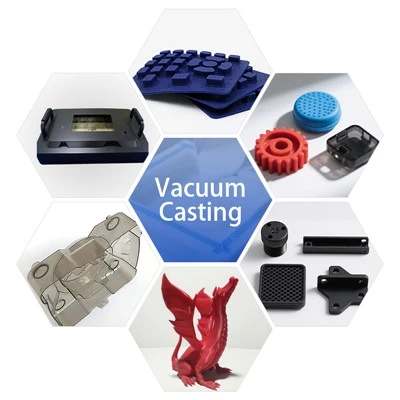
Plastic materials are also used in CNC machining, especially for CNC Machining Plastic Auto Parts. However, plastics can melt or deform under high - speed machining due to the heat generated. You have to carefully control the cutting parameters and use the right coolant to prevent these problems. And different plastics have different shrinkage rates, which can affect the final dimensions of the part.


Tooling and Machining Strategies
Tooling is another big challenge. Complex - shaped parts often require special - purpose tools. You can't just use a standard end - mill for every job. Sometimes, you need custom - made tools to reach all the nooks and crannies of the part. These custom tools are expensive to make and require a high level of precision in their manufacturing.
The machining strategy also plays a crucial role. You need to figure out the best way to approach the part to minimize the number of tool changes and reduce machining time. For example, in multi - axis machining, you have to coordinate the movement of the cutting tool in multiple directions simultaneously. This requires advanced programming skills and a deep understanding of the part's geometry. If the machining strategy is not well - thought - out, you might end up with a part that has poor surface finish, inaccurate dimensions, or even damage to the tool.
Precision and Tolerance Control
Precision is the name of the game in CNC machining, especially for complex - shaped parts. These parts usually have tight tolerances, sometimes in the range of a few micrometers. Achieving such high precision is extremely difficult. There are many factors that can affect the accuracy of the machining process, such as machine vibrations, thermal expansion, and tool wear.
Machine vibrations can cause the cutting tool to deviate from its intended path, resulting in dimensional errors. Thermal expansion occurs when the machine and the part heat up during the machining process. Different materials expand at different rates, which can throw off the dimensions of the part. And as the cutting tool wears down over time, its cutting edge becomes dull, leading to a decrease in cutting performance and accuracy.
To control precision and tolerance, we use advanced metrology equipment, such as coordinate measuring machines (CMMs). These machines can measure the dimensions of the part with high accuracy and provide feedback to the machining process. But even with these tools, it's still a constant battle to meet the tight tolerances required for complex - shaped parts.
Surface Finish
The surface finish of a complex - shaped CNC part is also a challenge. A good surface finish is not only important for the aesthetics of the part but also for its functionality. For example, in some applications, a smooth surface finish is required to reduce friction or prevent corrosion.
Achieving a high - quality surface finish on complex - shaped parts is difficult because of the irregular geometry. The cutting tool may not be able to maintain a consistent cutting speed and feed rate across the entire surface of the part. This can result in uneven surface roughness. Additionally, the presence of sharp corners and edges in complex - shaped parts can cause problems with chip evacuation, which can also affect the surface finish.
To improve the surface finish, we often use techniques like polishing and grinding after the initial machining process. However, these additional processes add to the cost and time of production.
Cost and Time Management
Producing complex - shaped CNC parts is expensive. As I mentioned earlier, custom tooling, advanced metrology equipment, and additional finishing processes all contribute to the high cost. Moreover, the machining time for complex - shaped parts is usually longer than for simple parts. This is because of the need for more tool changes, slower machining speeds, and multiple setups.
Managing the cost and time is crucial for our business. We need to find a balance between meeting the customer's requirements and keeping the production cost down. This involves optimizing the machining process, using cost - effective materials, and streamlining our operations. But it's not always easy, especially when dealing with tight deadlines and high - quality standards.
Quality Assurance
Quality assurance is an essential part of producing complex - shaped CNC parts. We need to ensure that every part we produce meets the customer's specifications. This requires a comprehensive quality control system.
We start by inspecting the raw materials to make sure they are of the right quality. During the machining process, we perform in - process inspections to catch any potential problems early. After the part is finished, we conduct a final inspection using a variety of methods, including visual inspection, dimensional measurement, and material testing.
However, quality assurance can be a time - consuming and expensive process, especially for complex - shaped parts. The irregular geometry makes it more difficult to inspect all the features of the part. And if a part fails the quality inspection, we have to either rework it or scrap it, which adds to the cost and time of production.
Design for Manufacturability
Finally, design for manufacturability is a challenge that often gets overlooked. Customers may come to us with a design that looks great on paper but is extremely difficult or even impossible to manufacture. For example, a design with very thin walls or deep cavities may not be feasible to machine using standard CNC processes.
We need to work closely with the customers during the design phase to ensure that the design is optimized for CNC machining. This involves providing feedback on the design, suggesting alternative features or materials, and making sure that the design can be produced within the available manufacturing capabilities. But convincing customers to make changes to their design can be a difficult task, especially if they are attached to their original concept.
In conclusion, producing complex - shaped CNC parts is full of challenges. From material selection and tooling to precision control and cost management, there are many factors that need to be considered. But despite these challenges, we are committed to providing high - quality Machined Parts to our customers. If you're in the market for complex - shaped CNC parts, we'd love to have a chat with you about your requirements. Whether it's for automotive, aerospace, or any other industry, we have the expertise and experience to handle your project. Reach out to us, and let's start a conversation about how we can work together to bring your ideas to life.
References
- "CNC Machining Handbook" by Oberg, Jones, and Horton
- "Precision Machining Technology" by John A. Schey
- Industry whitepapers on CNC machining best practices