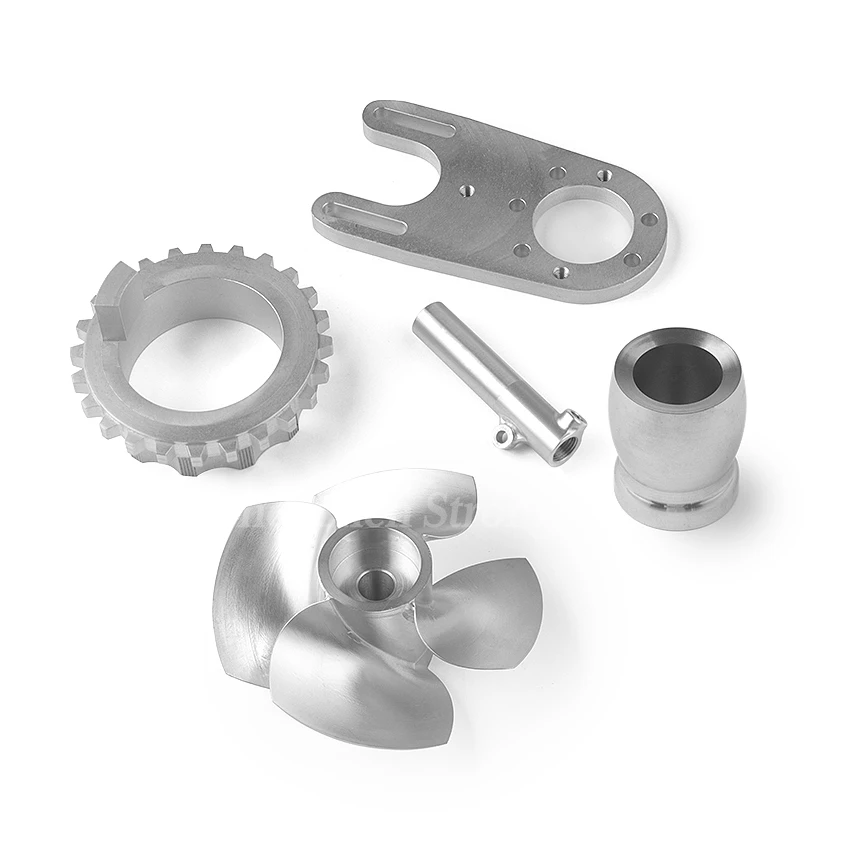

As a leading supplier of Metal Robot Body Parts, I understand the critical importance of corrosion prevention in maintaining the integrity and longevity of these components. Corrosion can significantly impact the performance and lifespan of metal robot body parts, leading to reduced efficiency, increased maintenance costs, and potential safety hazards. In this blog post, I will explore various corrosion - prevention coatings available for metal robot body parts, discussing their properties, advantages, and applications.
Understanding Corrosion in Metal Robot Body Parts
Before delving into the coatings, it's essential to understand the corrosion process in metal robot body parts. Corrosion is an electrochemical reaction that occurs when metal comes into contact with an electrolyte, such as moisture, oxygen, or certain chemicals. In the context of robot body parts, environmental factors like humidity, industrial pollutants, and cleaning agents can accelerate the corrosion process.
The most common types of corrosion affecting metal robot body parts include:
- Uniform corrosion: This is the most straightforward type, where the entire surface of the metal corrodes at a relatively uniform rate. It can lead to a loss of material thickness over time.
- Pitting corrosion: Characterized by small, deep holes or pits on the metal surface. Pitting can be particularly dangerous as it can cause sudden failures in the robot parts.
- Galvanic corrosion: Occurs when two different metals are in contact in the presence of an electrolyte. The more active metal corrodes preferentially.
Types of Corrosion - Prevention Coatings
1. Epoxy Coatings
Epoxy coatings are widely used in the protection of metal robot body parts due to their excellent adhesion, chemical resistance, and durability. These coatings are typically two - component systems, consisting of an epoxy resin and a hardener. When mixed, they form a cross - linked polymer network that provides a tough, protective barrier against corrosion.
Properties and Advantages
- High adhesion: Epoxy coatings bond strongly to metal surfaces, ensuring long - term protection.
- Chemical resistance: They can resist a wide range of chemicals, including acids, alkalis, and solvents, making them suitable for robots operating in harsh industrial environments.
- Mechanical strength: Epoxy coatings can withstand mechanical stress, such as abrasion and impact, which is crucial for robot body parts that may be subject to movement and contact with other objects.
Applications
Epoxy coatings are ideal for metal robot body parts used in industries such as chemical processing, food and beverage, and automotive manufacturing. For example, in a chemical processing plant, robots with epoxy - coated body parts can resist the corrosive effects of various chemicals used in the production process.
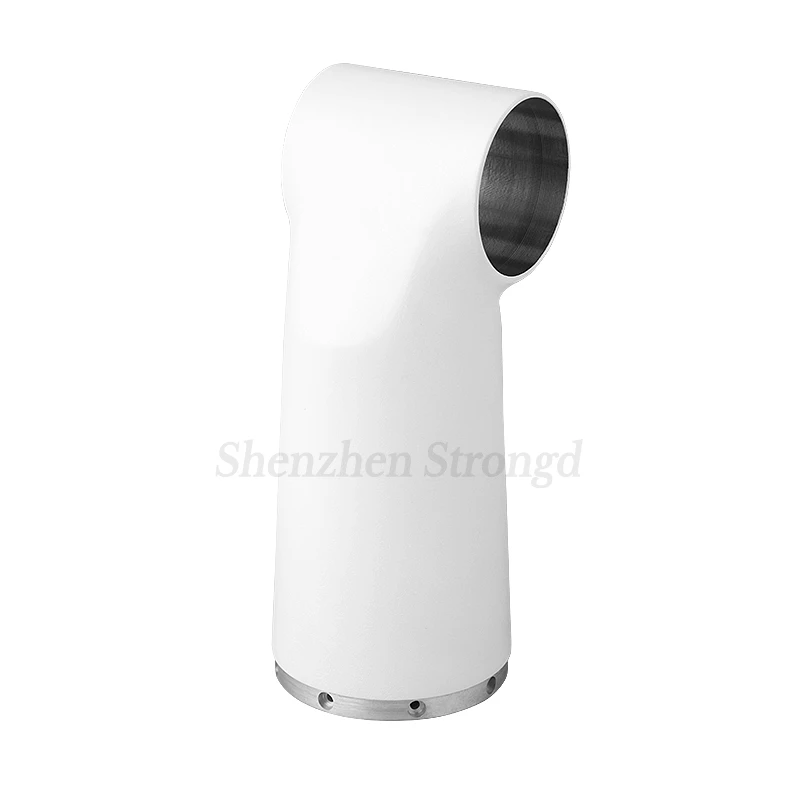
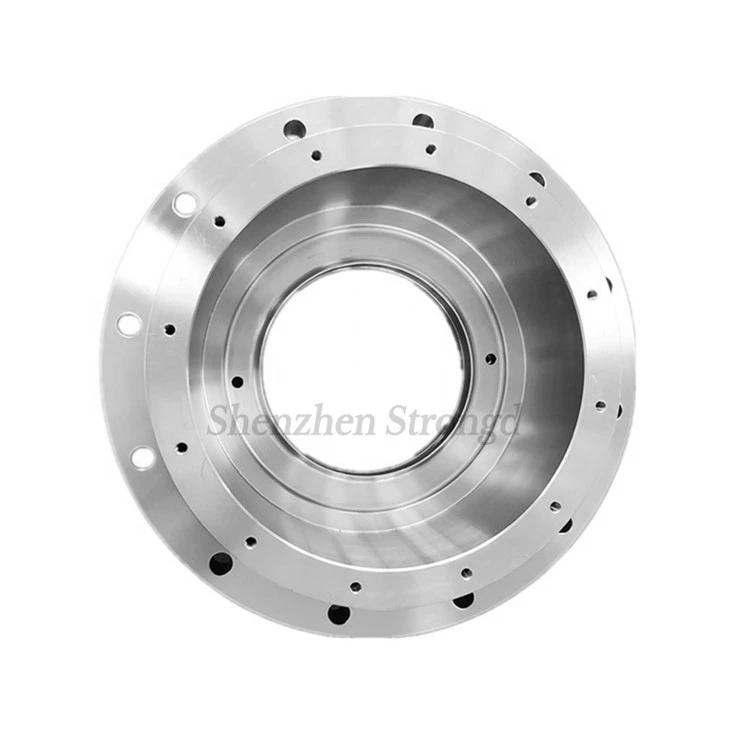
2. Polyurethane Coatings
Polyurethane coatings offer a combination of excellent flexibility, abrasion resistance, and weatherability. They are available in both solvent - based and water - based formulations.
Properties and Advantages
- Flexibility: Polyurethane coatings can expand and contract with the metal substrate without cracking, making them suitable for robot parts that experience thermal cycling or mechanical deformation.
- Abrasion resistance: They provide a high level of protection against wear and tear, which is important for parts that are in constant motion or come into contact with abrasive materials.
- Weatherability: Polyurethane coatings can resist the effects of UV radiation, moisture, and temperature variations, making them suitable for outdoor applications.
Applications
These coatings are commonly used on metal robot body parts for outdoor robots, such as those used in agriculture, construction, and inspection of infrastructure. For instance, a robot used for inspecting bridges can benefit from a polyurethane coating to protect its body parts from the elements.
3. Zinc - Rich Coatings
Zinc - rich coatings are based on the principle of cathodic protection. They contain a high percentage of zinc powder, which acts as a sacrificial anode. When the coating is applied to a metal surface, the zinc corrodes preferentially, protecting the underlying metal from corrosion.
Properties and Advantages
- Cathodic protection: Zinc - rich coatings provide long - term protection by sacrificing the zinc to protect the metal substrate. This is particularly effective in preventing corrosion in areas where the coating may be damaged.
- Good adhesion: They adhere well to metal surfaces and can provide a barrier against moisture and oxygen.
Applications
Zinc - rich coatings are commonly used on metal robot body parts in marine and offshore applications. For example, robots used for underwater inspection or maintenance in the oil and gas industry can benefit from zinc - rich coatings to protect their body parts from the corrosive effects of seawater.
4. Ceramic Coatings
Ceramic coatings are known for their high hardness, heat resistance, and chemical inertness. They are typically applied using techniques such as thermal spraying or chemical vapor deposition.
Properties and Advantages
- High hardness: Ceramic coatings can provide excellent protection against abrasion and wear, even in high - stress environments.
- Heat resistance: They can withstand high temperatures, making them suitable for robots used in applications such as foundries or metalworking, where parts may be exposed to heat.
- Chemical inertness: Ceramic coatings are resistant to a wide range of chemicals, including acids, alkalis, and molten metals.
Applications
Ceramic coatings are used on metal robot body parts in industries such as aerospace, power generation, and metal processing. For example, a robot used in a foundry to handle hot metal can have ceramic - coated body parts to protect against the high temperatures and corrosive nature of molten metal.
Choosing the Right Coating for Metal Robot Body Parts
When selecting a corrosion - prevention coating for metal robot body parts, several factors need to be considered:
- Environment: The operating environment of the robot is a crucial factor. For example, if the robot is used in a humid or corrosive environment, a coating with high chemical resistance and moisture protection, such as an epoxy or zinc - rich coating, may be required.
- Mechanical requirements: The mechanical stress and movement of the robot parts should be taken into account. Parts that experience high levels of abrasion or deformation may require a coating with good flexibility and abrasion resistance, such as a polyurethane coating.
- Cost: The cost of the coating, including the material cost and the application cost, should be balanced against the expected performance and lifespan of the coating.
As a supplier of Metal Robot Body Parts, we offer a range of options for corrosion - prevention coatings. Our team of experts can help you choose the most suitable coating for your specific application, ensuring the long - term performance and reliability of your metal robot body parts.
In addition to our standard Metal Robot Body Parts, we also supply Humanoid Robot Joint Parts and Stainless Steel Metal Robot Parts, all of which can be coated with the appropriate corrosion - prevention coatings to meet your needs.
Conclusion
Corrosion prevention is a critical aspect of maintaining the performance and lifespan of metal robot body parts. By choosing the right corrosion - prevention coating, you can protect your investment and ensure the reliable operation of your robots. Whether you need epoxy, polyurethane, zinc - rich, or ceramic coatings, we have the expertise and products to meet your requirements.
If you are interested in purchasing high - quality metal robot body parts with corrosion - prevention coatings, please feel free to contact us for more information and to discuss your specific needs. We look forward to working with you to provide the best solutions for your robotic applications.
References
- Jones, D. A. (1992). Principles and Prevention of Corrosion. Prentice Hall.
- Uhlig, H. H., & Revie, R. W. (1985). Corrosion and Corrosion Control: An Introduction to Corrosion Science and Engineering. Wiley.
- Schweitzer, P. A. (2004). Corrosion Resistance Tables. McGraw - Hill.