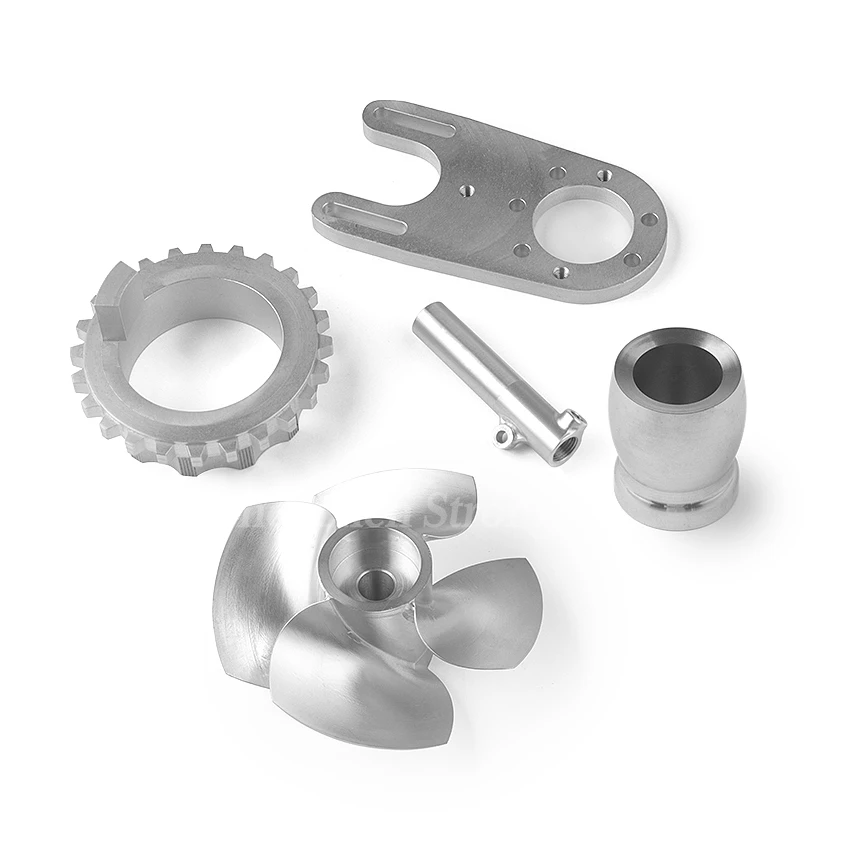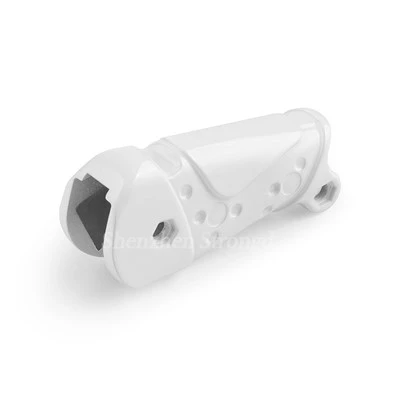

When it comes to the construction of robot body parts, two materials stand out prominently: plastic and metal. As a supplier of Metal Robot Body Parts, I've witnessed firsthand the distinct characteristics and applications of these materials. In this blog, I'll delve into the differences between plastic and metal robot body parts, exploring their properties, advantages, and limitations.
Material Properties
Plastic Robot Body Parts
Plastics are a diverse group of materials known for their versatility. They are typically lightweight, which is a significant advantage in robotics. A lighter robot body requires less energy to move, leading to increased efficiency and longer battery life. For example, in small, mobile robots designed for indoor navigation, such as educational robots used in schools, plastic body parts can make the robot more agile and easier to control.
Plastic is also highly moldable. It can be easily shaped into complex geometries using injection molding techniques. This allows for the production of custom - designed robot parts with fine details. Moreover, plastics can be made in a wide range of colors, which is useful for aesthetic purposes or for color - coding different components of a robot.
However, plastics have their drawbacks. They generally have lower strength and durability compared to metals. Over time, exposure to heat, sunlight, and mechanical stress can cause plastics to degrade. They may become brittle, crack, or deform, especially in harsh operating environments. For instance, in industrial settings where robots are exposed to high temperatures or abrasive substances, plastic parts may not hold up well.
Metal Robot Body Parts
Metals, on the other hand, are renowned for their strength and durability. They can withstand high levels of stress, impact, and wear. This makes metal robot body parts ideal for heavy - duty applications. In industrial robots used in manufacturing plants for tasks like welding, lifting heavy objects, or precision machining, metal components provide the necessary structural integrity.
There are different types of metals used in robot construction, such as steel, aluminum, and titanium. Stainless steel, in particular, offers excellent corrosion resistance. Stainless Steel Metal Robot Parts are often used in robots operating in wet or corrosive environments, like food processing plants or underwater exploration robots.
Metals also have good thermal conductivity. This is beneficial in robots that generate a significant amount of heat during operation, as the metal parts can help dissipate the heat, preventing overheating of sensitive electronic components.
But metals come with a higher weight penalty. The increased weight can limit the speed and agility of a robot and require more powerful actuators to move the robot. Additionally, the manufacturing process of metal parts can be more complex and costly. Machining, forging, and casting metal parts often require specialized equipment and skilled labor.
Manufacturing Processes
Plastic Manufacturing
The most common method for manufacturing plastic robot body parts is injection molding. In this process, plastic pellets are melted and injected into a mold cavity under high pressure. Once the plastic cools and solidifies, the part is ejected from the mold. Injection molding is highly efficient for mass - production, as it can produce a large number of identical parts in a short period.
Another advantage of plastic manufacturing is the relatively low cost of tooling. Creating a mold for plastic injection molding is generally less expensive than the tooling required for metal manufacturing processes. This makes it a cost - effective option for small - scale production or for prototyping.
However, the quality of plastic parts can be affected by factors such as the type of plastic used, the design of the mold, and the injection molding parameters. If not properly controlled, issues like warping, sink marks, or flash can occur in the final parts.
Metal Manufacturing
Metal parts can be manufactured through various processes, including machining, casting, and forging. Machining involves removing material from a metal block using cutting tools to create the desired shape. This process allows for high precision and can produce parts with tight tolerances. However, it is a subtractive process, which means there is a significant amount of material waste.
Casting is a process where molten metal is poured into a mold and allowed to solidify. There are different types of casting, such as sand casting, investment casting, and die casting. Each method has its own advantages and limitations in terms of the complexity of the part, the surface finish, and the production volume.
Forging involves shaping metal by applying compressive forces. Forged metal parts are often stronger and more reliable than cast or machined parts, as the forging process aligns the metal grains, improving the mechanical properties of the material. But forging requires specialized equipment and is generally more suitable for large - scale production of simple - shaped parts.
Cost Considerations
Plastic Cost
As mentioned earlier, plastic parts are generally more cost - effective in terms of both material and manufacturing. The raw materials for plastics are relatively inexpensive, and the injection molding process allows for high - volume production at a low per - unit cost. This makes plastic a popular choice for consumer - grade robots or for applications where cost is a major factor, such as educational robots or toys.
However, if high - performance plastics with special properties are required, the cost can increase significantly. For example, engineering plastics like polycarbonate or PEEK, which offer better strength and heat resistance, are more expensive than commodity plastics.


Metal Cost
Metal parts are typically more expensive than plastic parts. The cost of raw metals can vary depending on the type of metal and market conditions. Additionally, the manufacturing processes for metals are often more complex and require more resources, leading to higher production costs.
The cost of metal parts also depends on the quantity produced. For small - scale production, the cost per part can be prohibitively high due to the setup costs of the manufacturing equipment. But for large - scale production, the cost per part can be reduced through economies of scale.
Applications
Plastic Applications
Plastic robot body parts are widely used in consumer robots, such as vacuum - cleaning robots and robotic pets. Their lightweight and colorful nature make them appealing to consumers, and the low cost allows for affordable pricing.
In the field of education, plastic parts are commonly used in robotics kits. These kits are designed to teach students about robotics and programming. The ease of assembly and the ability to customize the plastic parts make them suitable for educational purposes.
Plastic parts are also used in some medical robots, especially those that come into contact with patients. The smooth surface of plastics can be easily cleaned and sterilized, and their lightweight reduces the risk of injury to patients.
Metal Applications
Metal robot body parts dominate in industrial applications. Industrial robots used in automotive manufacturing, aerospace, and heavy machinery industries rely on the strength and durability of metal components. These robots perform tasks that require high precision and can withstand the harsh conditions of industrial environments.
In military and defense applications, metal robots are used for tasks such as bomb disposal, surveillance, and combat support. The strength and reliability of metal parts are crucial in these high - stakes situations.
Conclusion
In conclusion, both plastic and metal robot body parts have their own unique advantages and limitations. Plastic parts are lightweight, cost - effective, and easy to manufacture, making them suitable for consumer and educational applications. Metal parts, on the other hand, offer superior strength, durability, and thermal properties, making them the preferred choice for heavy - duty and industrial applications.
As a supplier of Metal Robot Body Parts, I understand the importance of providing high - quality metal components that meet the specific needs of our customers. Whether you are looking for Stainless Steel Metal Robot Parts for a corrosive environment or Mechanical Robotic Parts for a high - precision application, we have the expertise and resources to deliver the right solutions.
If you are in the market for metal robot body parts or have specific requirements for your robotic project, I encourage you to reach out to us. We are ready to engage in a detailed discussion about your needs and provide you with the best - fitting metal parts for your robots.
References
- Callister, W. D., & Rethwisch, D. G. (2011). Materials Science and Engineering: An Introduction. Wiley.
- Groover, M. P. (2010). Fundamentals of Modern Manufacturing: Materials, Processes, and Systems. Wiley.
- Madsen, J. (2016). Robotics: Design, Control, and Applications. CRC Press.