
Hey there! As a sheet metal cutting supplier, I've seen firsthand the challenges that come with reducing heat-affected zones (HAZs) in the cutting process. In this blog, I'm gonna share some practical tips and techniques that can help you minimize HAZs and achieve better results in your sheet metal cutting projects.
Understanding Heat-Affected Zones
Before we dive into the solutions, let's quickly understand what heat-affected zones are. When you cut sheet metal, the intense heat generated during the cutting process can cause changes in the metal's properties in the area around the cut. This area is called the heat-affected zone. The size and characteristics of the HAZ depend on several factors, including the cutting method, the type of metal, and the cutting parameters.
A large HAZ can lead to a number of issues, such as distortion, reduced strength, and changes in the metal's microstructure. These issues can affect the quality and performance of the finished product, so it's important to keep the HAZ as small as possible.
Choosing the Right Cutting Method
One of the most effective ways to reduce HAZs is to choose the right cutting method. Different cutting methods generate different amounts of heat, so it's important to select a method that is suitable for the type of metal and the thickness of the sheet.
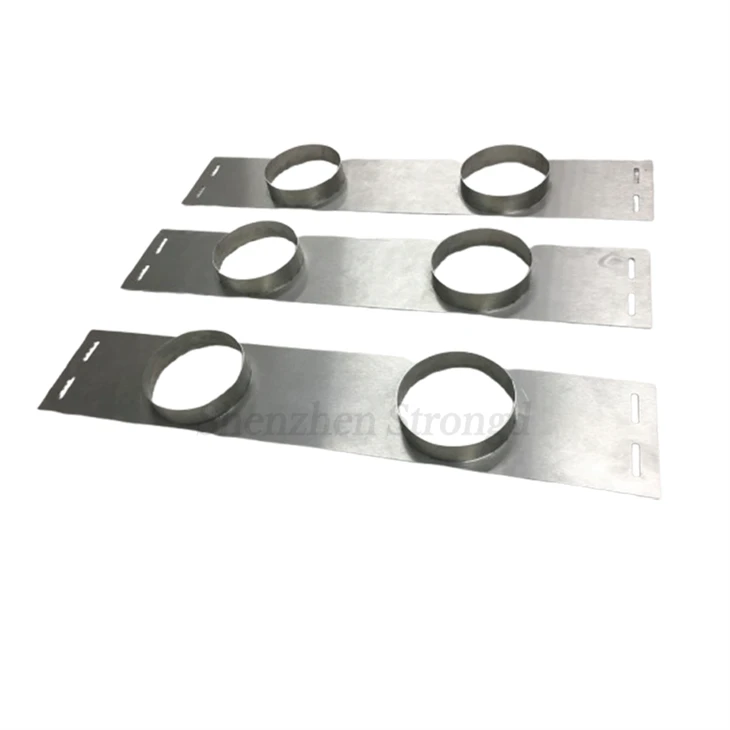

- Laser Cutting: Laser cutting is a popular choice for sheet metal cutting because it generates very little heat. The laser beam is focused on a small area, which minimizes the heat-affected zone. Laser cutting is also very precise and can produce high-quality cuts with minimal distortion. Check out our Sheet Metal Machining Service for more information on our laser cutting capabilities.
- Waterjet Cutting: Waterjet cutting is another low-heat cutting method that is suitable for a wide range of metals. In waterjet cutting, a high-pressure stream of water mixed with abrasive particles is used to cut through the metal. This method generates very little heat and produces clean, precise cuts with minimal HAZs.
- Plasma Cutting: Plasma cutting is a faster and more cost-effective cutting method, but it generates more heat than laser or waterjet cutting. However, with the right parameters and equipment, it's possible to minimize the HAZs in plasma cutting. For example, using a high-quality plasma cutter with a fine-cut torch can help reduce the heat-affected zone.
Optimizing Cutting Parameters
In addition to choosing the right cutting method, optimizing the cutting parameters can also help reduce HAZs. Here are some key parameters to consider:
- Cutting Speed: Increasing the cutting speed can help reduce the amount of time the metal is exposed to heat, which in turn reduces the size of the HAZ. However, it's important to find the right balance between cutting speed and cut quality. If the cutting speed is too high, it can lead to poor cut quality and increased wear on the cutting tool.
- Power Settings: Adjusting the power settings of the cutting equipment can also have a significant impact on the HAZ. Using the lowest power setting that still allows for a clean cut can help minimize the heat generated during the cutting process.
- Gas Selection: When using a cutting method that requires gas, such as plasma cutting, choosing the right gas can help reduce HAZs. For example, using a nitrogen or oxygen-rich gas mixture can help improve the cut quality and reduce the heat-affected zone.
Using Cooling Techniques
Another way to reduce HAZs is to use cooling techniques during the cutting process. Cooling the metal can help dissipate the heat and prevent it from spreading to the surrounding area. Here are some common cooling techniques:
- Coolant Sprays: Applying a coolant spray to the cutting area can help reduce the temperature of the metal and minimize the HAZ. Coolant sprays can also help lubricate the cutting tool, which can improve the cut quality and reduce wear.
- Water Baths: Immersing the sheet metal in a water bath during the cutting process can also help cool the metal and reduce HAZs. This method is particularly effective for thicker sheets of metal.
- Air Cooling: Using compressed air to blow across the cutting area can help dissipate the heat and reduce the size of the HAZ. Air cooling is a simple and cost-effective way to cool the metal during the cutting process.
Material Selection and Preparation
The type of metal and its condition can also affect the size of the HAZ. Here are some tips for material selection and preparation:
- Choose the Right Metal: Some metals are more prone to heat damage than others. For example, stainless steel and aluminum are more resistant to heat than carbon steel. When possible, choose a metal that is suitable for the cutting method and the application.
- Preheat the Metal: In some cases, preheating the metal before cutting can help reduce the HAZ. Preheating the metal can help reduce the thermal stress and prevent cracking. However, it's important to preheat the metal to the right temperature and for the right amount of time.
- Clean the Metal: Before cutting the metal, make sure it is clean and free of contaminants. Contaminants on the surface of the metal can affect the cutting process and increase the size of the HAZ.
Quality Control and Inspection
Finally, it's important to implement quality control and inspection procedures to ensure that the HAZs are within acceptable limits. Here are some steps you can take:
- Visual Inspection: Perform a visual inspection of the cut edges to check for signs of heat damage, such as discoloration, distortion, or cracking.
- Microstructural Analysis: Use a microscope or other analytical tools to examine the microstructure of the metal in the HAZ. This can help you determine the extent of the heat damage and whether the HAZ is within acceptable limits.
- Testing: Conduct mechanical tests, such as tensile tests or hardness tests, to evaluate the strength and properties of the metal in the HAZ. This can help you ensure that the cut parts meet the required specifications.
Conclusion
Reducing heat-affected zones in sheet metal cutting is essential for achieving high-quality cuts and ensuring the performance of the finished product. By choosing the right cutting method, optimizing the cutting parameters, using cooling techniques, selecting the right material, and implementing quality control procedures, you can minimize the HAZs and improve the overall quality of your sheet metal cutting projects.
If you're looking for a reliable sheet metal cutting supplier, we'd love to hear from you. We have the expertise and equipment to handle a wide range of sheet metal cutting projects, including Computer Case Sheet Metal and Sheet Metal Bending Frame. Contact us today to discuss your project requirements and get a quote.
References
- "Fundamentals of Metal Cutting and Machine Tools" by G. Boothroyd and W. A. Knight
- "Manufacturing Engineering and Technology" by S. Kalpakjian and S. R. Schmid
- "Laser Cutting of Metals: Theory and Practice" by A. V. Pinkus