
In the realm of sheet metal cutting, two prominent methods stand out: single - pass and multi - pass cutting. As a sheet metal cutting supplier, I've witnessed firsthand the unique characteristics, advantages, and limitations of each approach. Understanding these differences is crucial for clients seeking the most efficient and cost - effective solutions for their sheet metal projects.
Single - Pass Sheet Metal Cutting
Single - pass cutting, as the name implies, involves cutting through the sheet metal in one continuous motion. This method is often favored for its simplicity and speed. When using single - pass cutting, the cutting tool, whether it's a laser, plasma cutter, or waterjet, makes a single pass across the material to achieve the desired cut.
One of the primary advantages of single - pass cutting is its efficiency. Since the cutting process is completed in one go, it significantly reduces the overall cutting time. This is particularly beneficial for large - scale production runs where time is of the essence. For example, in the manufacturing of Computer Case Sheet Metal, single - pass cutting can quickly produce multiple identical components, ensuring a high output rate.
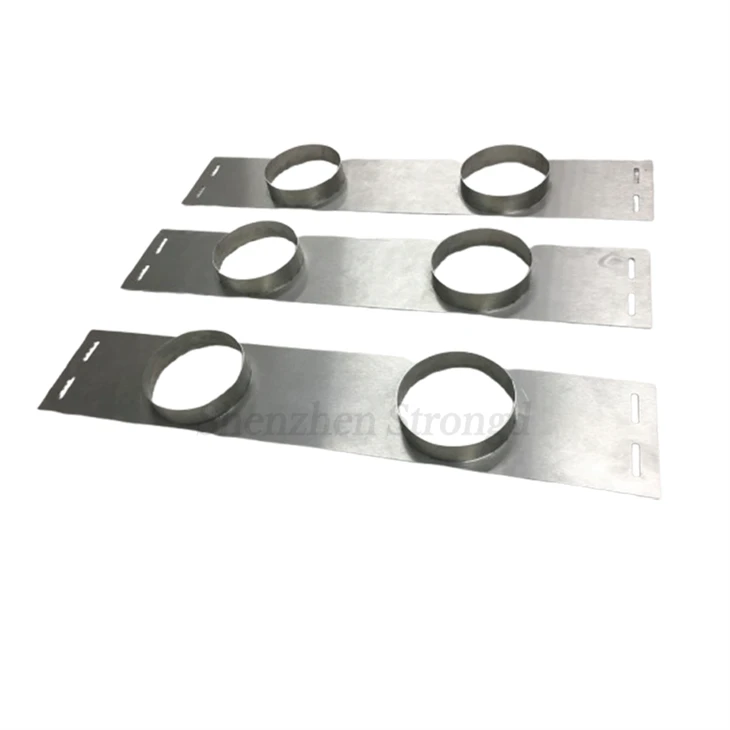

Another advantage is the potential for a cleaner cut. With a single, continuous motion, there is less chance of the cutting tool deviating from the intended path. This results in a smoother edge finish, which is often desirable for applications where aesthetics or precise fit are important. In the case of Sheet Metal Bending Frame, a clean cut from single - pass cutting can facilitate easier bending and assembly processes.
However, single - pass cutting also has its limitations. It may not be suitable for very thick sheet metals. As the thickness of the material increases, the cutting tool may struggle to penetrate the entire depth in one pass. This can lead to incomplete cuts or a lower - quality edge finish. Additionally, for complex shapes or intricate designs, single - pass cutting may not be able to achieve the required precision. The cutting tool may not be able to make sharp turns or follow detailed contours without causing damage to the material.
Multi - Pass Sheet Metal Cutting
Multi - pass cutting, on the other hand, involves making multiple passes with the cutting tool to gradually cut through the sheet metal. This method is typically used for thicker materials or when a higher level of precision is required.
One of the key advantages of multi - pass cutting is its ability to handle thick sheet metals. By making multiple passes, the cutting tool can gradually remove the material, ensuring a complete and clean cut. This is especially important in industries such as construction and heavy machinery manufacturing, where thick sheet metals are commonly used.
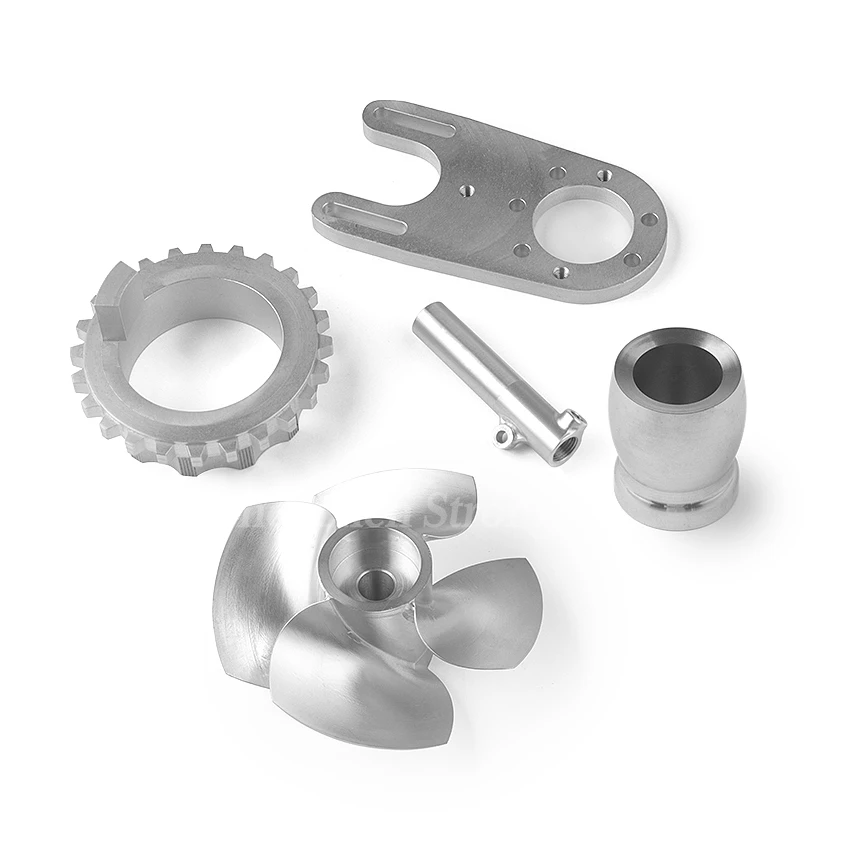
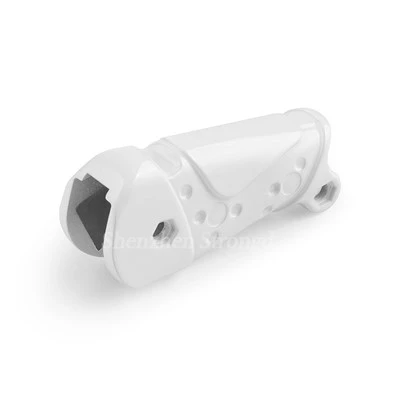
Multi - pass cutting also allows for greater precision in complex cutting tasks. The cutting tool can make smaller, more controlled movements during each pass, enabling it to follow intricate shapes and contours more accurately. This makes it an ideal choice for projects that require detailed designs, such as custom - made Sheet Metal Machining Service.
However, multi - pass cutting comes with its own set of drawbacks. The most obvious one is the increased cutting time. Since multiple passes are required, the overall cutting process takes longer compared to single - pass cutting. This can lead to higher production costs, especially for large - scale projects. Additionally, the multiple passes can cause more wear and tear on the cutting tool, which may require more frequent tool replacements.
Comparison of Key Factors
Cutting Speed
As mentioned earlier, single - pass cutting is generally faster than multi - pass cutting. The single continuous motion allows for a quicker completion of the cutting task, making it more suitable for high - volume production. In contrast, multi - pass cutting takes longer due to the multiple passes required, but it offers the advantage of being able to cut through thicker materials.
Precision
When it comes to precision, multi - pass cutting has the upper hand. The ability to make controlled, incremental cuts enables it to achieve a higher level of accuracy, especially for complex shapes. Single - pass cutting, while capable of producing clean cuts, may not be as precise when dealing with intricate designs.
Cost
Cost is an important consideration in any sheet metal cutting project. Single - pass cutting is often more cost - effective for thin materials and large - scale production runs due to its faster cutting speed. On the other hand, multi - pass cutting may be more expensive due to the longer cutting time and increased tool wear, but it is necessary for thick materials and high - precision applications.
Material Thickness
Single - pass cutting is typically limited to thinner sheet metals. As the material thickness increases, the effectiveness of single - pass cutting decreases. Multi - pass cutting, however, is designed to handle thicker materials, making it the preferred choice for applications that require cutting through thick sheets.
Choosing the Right Method
Selecting the appropriate sheet metal cutting method depends on several factors. The thickness of the material is a crucial consideration. If the sheet metal is thin, single - pass cutting is likely the best option for its speed and cost - effectiveness. For thicker materials, multi - pass cutting is necessary to ensure a complete and clean cut.
The complexity of the design also plays a role. If the design is simple and straightforward, single - pass cutting may be sufficient. However, for intricate shapes and detailed patterns, multi - pass cutting will provide the necessary precision.
Finally, the production volume and budget should be taken into account. For high - volume production with a tight budget, single - pass cutting may be the way to go. If precision is the top priority and cost is less of a concern, multi - pass cutting is the better choice.
Conclusion
In conclusion, both single - pass and multi - pass sheet metal cutting have their own unique advantages and limitations. As a sheet metal cutting supplier, I understand the importance of choosing the right method for each project. Whether you need high - speed production for thin materials or precise cutting for thick and complex designs, we have the expertise and equipment to meet your needs.
If you are in the market for sheet metal cutting services, I encourage you to reach out to us for a consultation. We can discuss your specific requirements and recommend the most suitable cutting method for your project. Our goal is to provide you with high - quality sheet metal components that meet your exact specifications at a competitive price.
References
- “Sheet Metal Fabrication Handbook.” Industrial Press Inc., 2018.
- “Cutting Technologies in Sheet Metal Processing.” Elsevier, 2019.