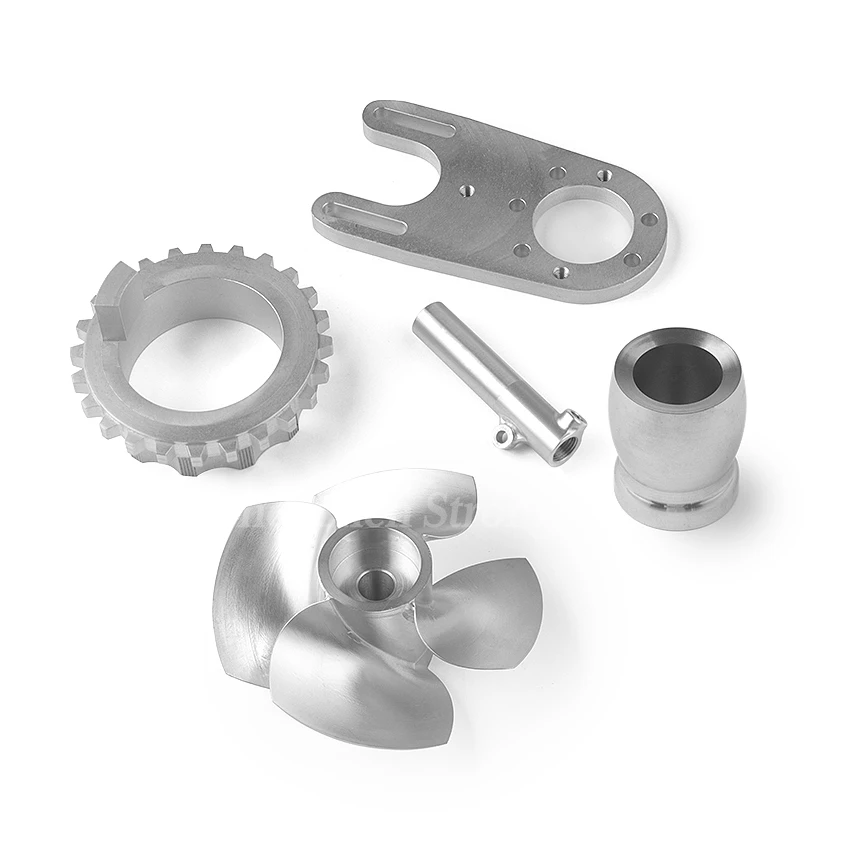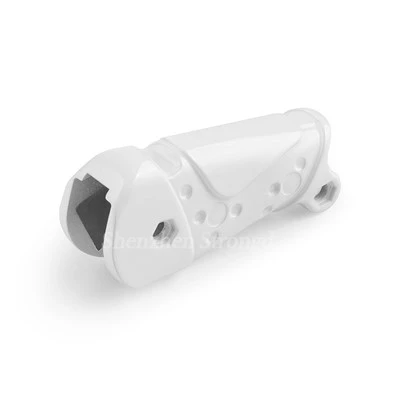

Are metal robot body parts recyclable? This is a question that has been gaining increasing attention in recent years as the robotics industry continues to grow at an exponential rate. As a supplier of Metal Robot Body Parts, I've witnessed firsthand the evolution of the industry and the growing concerns about sustainability. In this blog, I'll delve into the recyclability of metal robot body parts, exploring the processes, challenges, and benefits associated with recycling these components.
The Composition of Metal Robot Body Parts
Before we can determine whether metal robot body parts are recyclable, it's essential to understand what they're made of. Metal robot body parts are typically constructed from a variety of metals, including steel, aluminum, and titanium. These metals are chosen for their strength, durability, and lightweight properties, which are crucial for the efficient operation of robots.
Steel is one of the most commonly used metals in robot body parts due to its high strength and low cost. It's often used in the frames and structural components of robots, providing the necessary support and stability. Aluminum, on the other hand, is valued for its lightweight nature and corrosion resistance. It's commonly used in the arms, joints, and other moving parts of robots, allowing for greater flexibility and speed. Titanium is a more expensive but highly desirable metal due to its exceptional strength-to-weight ratio and resistance to high temperatures. It's often used in high-performance robots, such as those used in aerospace and military applications.
The Recycling Process
The good news is that most metals used in robot body parts are highly recyclable. The recycling process for metal robot body parts typically involves several steps:
- Collection: The first step in the recycling process is to collect the used or discarded metal robot body parts. This can be done through a variety of channels, including recycling centers, scrap metal dealers, and manufacturers.
- Sorting: Once the metal robot body parts have been collected, they are sorted by type and composition. This is important because different metals require different recycling processes.
- Shredding: After sorting, the metal robot body parts are shredded into small pieces. This increases the surface area of the metal, making it easier to melt and process.
- Melting: The shredded metal pieces are then melted in a furnace at high temperatures. This process removes any impurities and separates the different metals.
- Purification: Once the metal has been melted, it is purified to remove any remaining impurities. This can be done through a variety of methods, including electrolysis and chemical treatments.
- Casting: Finally, the purified metal is cast into new shapes and forms, ready to be used in the production of new robot body parts or other metal products.
Challenges in Recycling Metal Robot Body Parts
While the recycling process for metal robot body parts is relatively straightforward, there are several challenges that need to be addressed. One of the main challenges is the complexity of modern robot designs. Many robots are now equipped with advanced sensors, electronics, and other components that are difficult to separate from the metal body parts. This can make the recycling process more difficult and expensive.
Another challenge is the presence of hazardous materials in some robot body parts. For example, some robots may contain lead, mercury, or other toxic substances that need to be carefully removed before recycling. This requires specialized equipment and expertise, which can add to the cost and complexity of the recycling process.
In addition, the lack of awareness and infrastructure for recycling metal robot body parts is another challenge. Many people are not aware that these parts can be recycled, and there are limited facilities available for collecting and processing them. This can make it difficult for individuals and businesses to recycle their used or discarded robot body parts.
Benefits of Recycling Metal Robot Body Parts
Despite the challenges, there are several benefits to recycling metal robot body parts. One of the main benefits is the conservation of natural resources. By recycling metal, we can reduce the need for mining and extracting new metals from the earth, which can have a significant impact on the environment.


Recycling metal robot body parts also helps to reduce energy consumption and greenhouse gas emissions. The process of recycling metal requires less energy than producing new metal from raw materials, which can help to reduce our carbon footprint.
In addition, recycling metal robot body parts can help to create jobs and stimulate economic growth. The recycling industry provides employment opportunities for people in a variety of fields, including collection, sorting, processing, and manufacturing.
The Role of Suppliers
As a supplier of Metal Robot Body Parts, I have a responsibility to promote the recycling of these parts. One way I can do this is by educating my customers about the benefits of recycling and providing them with information on how to recycle their used or discarded robot body parts.
I can also work with recycling facilities and other stakeholders to develop more efficient and cost-effective recycling processes for metal robot body parts. This may involve investing in new technologies and equipment, as well as collaborating with other suppliers and manufacturers to develop more sustainable robot designs.
In addition, I can offer incentives for my customers to recycle their used or discarded robot body parts. For example, I could offer a discount on new parts for customers who return their old parts for recycling.
Conclusion
In conclusion, metal robot body parts are highly recyclable, and recycling these parts offers several benefits, including the conservation of natural resources, reduced energy consumption, and job creation. However, there are also several challenges that need to be addressed, including the complexity of modern robot designs, the presence of hazardous materials, and the lack of awareness and infrastructure for recycling.
As a supplier of Metal Robot Body Parts, I am committed to promoting the recycling of these parts and working with my customers and other stakeholders to develop more sustainable solutions for the robotics industry. If you're interested in learning more about our products or discussing your specific requirements, please don't hesitate to reach out. We're always happy to engage in procurement discussions and find the best solutions for your needs.
References
- American Iron and Steel Institute. (n.d.). Steel Recycling. Retrieved from [Website URL]
- Aluminum Association. (n.d.). Aluminum Recycling. Retrieved from [Website URL]
- Titanium Metals Corporation. (n.d.). Titanium Recycling. Retrieved from [Website URL]