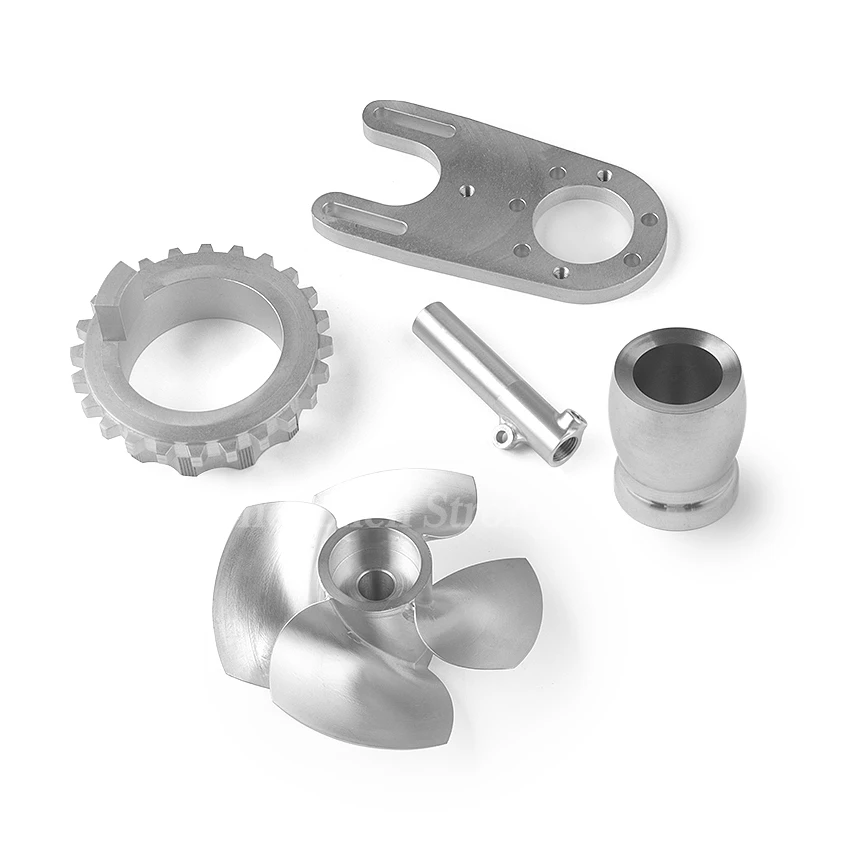

As a supplier of Nylon SLS Printing services, I am often asked about the optical properties of the parts produced through this advanced manufacturing process. In this blog post, I will delve into the details of the optical characteristics of Nylon SLS Printing parts, exploring their transparency, reflectivity, color, and how these properties can impact various applications.
Transparency
Nylon SLS Printing parts are generally opaque rather than transparent. This is due to the nature of the Selective Laser Sintering (SLS) process, which fuses nylon powder particles together layer by layer. The porous structure and the presence of multiple boundaries between the sintered particles scatter light, preventing it from passing through the material in a clear and unobstructed manner.
However, the degree of opacity can vary depending on several factors. The type of nylon material used plays a significant role. For instance, some grades of nylon may have a slightly more translucent appearance compared to others. Additionally, the build settings, such as the laser power and scanning speed, can influence the density of the printed part. A higher density part may appear more opaque as there are fewer voids and less light scattering.
In applications where transparency is not a critical requirement, the opacity of Nylon SLS Printing parts can be an advantage. It can provide privacy or block out unwanted light. For example, in electronic enclosures or automotive components, the opaque nature of the nylon parts can protect sensitive internal components from light damage or interference.
Reflectivity
The reflectivity of Nylon SLS Printing parts is influenced by the surface finish and the material properties. The surface of SLS - printed nylon parts typically has a somewhat rough texture due to the sintering process. This rough surface scatters light in multiple directions, resulting in a diffuse reflection rather than a specular (mirror - like) reflection.
The reflectivity can be adjusted through post - processing techniques. For example, sanding or polishing the surface of the printed part can reduce the roughness and increase the specular reflectivity. However, it is important to note that excessive post - processing may also affect the mechanical properties of the part.
In some applications, a low reflectivity can be beneficial. For example, in optical devices or sensors, a non - reflective surface can reduce glare and improve the accuracy of the device. On the other hand, in decorative applications, a higher reflectivity achieved through post - processing can enhance the aesthetic appeal of the part.
Color
Nylon SLS Printing parts can be produced in a wide range of colors. The base nylon powder usually has a natural off - white color, but it can be dyed or pigmented before the printing process to achieve different colors. The color of the final part depends on the type and concentration of the dye or pigment used.
When choosing a color for Nylon SLS Printing parts, it is important to consider the potential impact on the mechanical properties. Some dyes or pigments may affect the melting point or the strength of the nylon material. Additionally, the color fastness, or the ability of the color to resist fading over time, is an important factor, especially for parts that will be exposed to sunlight or other environmental factors.
In applications where color is used for identification or branding purposes, the ability to produce parts in a specific color can be a significant advantage. For example, in the consumer goods industry, colored Nylon SLS Printing parts can be used to create unique and eye - catching products.
Impact on Applications
The optical properties of Nylon SLS Printing parts have a direct impact on their suitability for different applications.
Automotive Industry
In the automotive industry, Nylon SLS Printing parts are used for various components such as interior trim, air ducts, and electrical connectors. The opaque nature of the parts provides privacy and protection for internal components. The ability to produce parts in different colors allows for customization and branding. For example, a car manufacturer can use Nylon SLS Printing to create unique interior trim pieces in the brand's signature color. The low reflectivity of the parts can also reduce glare inside the vehicle, improving the driving experience.
Electronics Industry
In the electronics industry, Nylon SLS Printing parts are used for enclosures, brackets, and heat sinks. The opaque nature of the parts can protect sensitive electronic components from light damage and electromagnetic interference. The ability to produce parts with different colors can be used for color - coding different components for easy identification during assembly and maintenance. Additionally, the non - reflective surface of the parts can be beneficial in optical sensors and displays.
Medical Industry
In the medical industry, Nylon SLS Printing parts are used for surgical instruments, prosthetics, and medical device housings. The opaque nature of the parts can provide privacy for patients and protect internal components from light. The ability to produce parts in biocompatible nylon materials with different colors can be used for color - coding different medical devices or instruments. However, in some applications where transparency is required, such as in certain types of medical imaging devices, the opaque nature of Nylon SLS Printing parts may limit their use.
Comparison with Other Printing Technologies
When compared to other 3D printing technologies, such as SLM 3D Printing Stainless Steel Model SLM 3D Printing Stainless Steel Model, the optical properties of Nylon SLS Printing parts are quite different. Stainless steel parts produced by SLM printing are generally metallic and have a high reflectivity and a shiny appearance. In contrast, Nylon SLS Printing parts are non - metallic and have a more subdued, opaque appearance.
Compared to other polymer - based 3D printing technologies, the opacity of Nylon SLS Printing parts sets them apart from some processes that can produce more transparent parts, such as stereolithography (SLA). However, SLS printing offers advantages in terms of material strength, durability, and the ability to produce complex geometries.


Conclusion
The optical properties of Nylon SLS Printing parts, including their opacity, reflectivity, and color, play an important role in determining their suitability for different applications. While the opaque nature of these parts may limit their use in some applications where transparency is required, it offers advantages in many other areas such as privacy, protection, and customization.
As a supplier of Nylon SLS Printing, we understand the importance of these optical properties and can work with our customers to optimize the printing process to meet their specific requirements. Whether you need parts with a specific color, a low reflectivity surface, or a certain degree of opacity, we have the expertise and technology to deliver high - quality Nylon SLS Printing parts.
If you are interested in our SLS 3D Printing Nylon Parts or have any questions about the optical properties of these parts, please feel free to contact us for a detailed discussion and to start the procurement process. We look forward to working with you to bring your ideas to life.
References
- Gibson, I., Rosen, D. W., & Stucker, B. (2010). Additive Manufacturing Technologies: Rapid Prototyping to Direct Digital Manufacturing. Springer.
- Wohlers, T. (2019). Wohlers Report 2019: 3D Printing and Additive Manufacturing State of the Industry. Wohlers Associates.
- ASTM International. (2019). Standard Terminology for Additive Manufacturing Technologies. ASTM F2792 - 12a.