
Precision machining of watch parts is a highly specialized and demanding field that requires a combination of advanced technology, skilled craftsmanship, and strict quality control. As a precision machining supplier, we understand the unique requirements and challenges involved in producing high-quality watch components. In this blog post, we will explore the key precision machining requirements for watch parts, including materials, tolerances, surface finish, and production processes.
Materials Selection
The choice of materials is crucial in watch part manufacturing, as it directly affects the performance, durability, and aesthetics of the final product. Watch parts are typically made from a variety of materials, including metals, ceramics, and plastics. Each material has its own unique properties and characteristics, which must be carefully considered when selecting the appropriate material for a specific watch part.

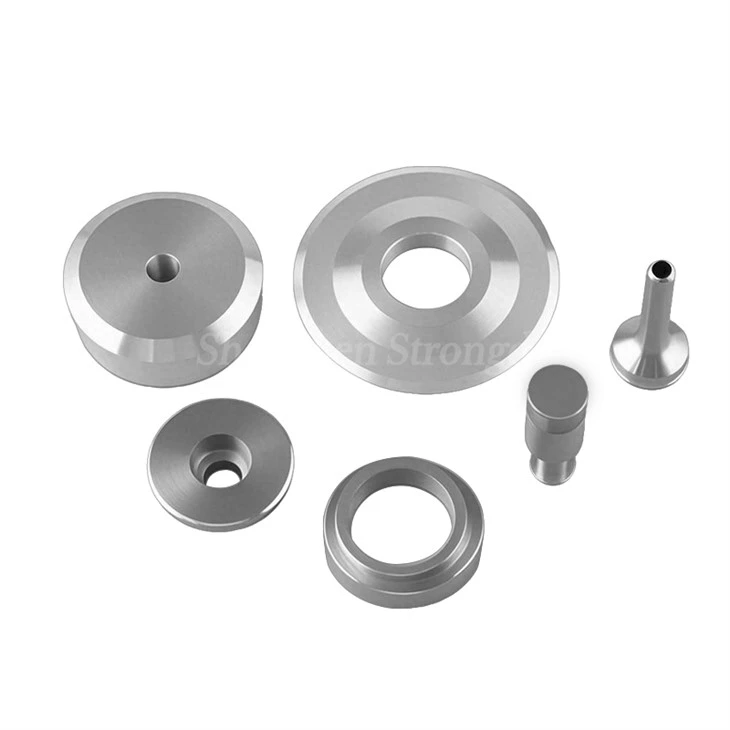
- Metals: Metals are the most commonly used materials in watchmaking due to their strength, durability, and aesthetic appeal. Common metals used in watch parts include stainless steel, titanium, gold, and platinum. Stainless steel is a popular choice for watch cases and bracelets due to its corrosion resistance and affordability. Titanium is lightweight, strong, and hypoallergenic, making it ideal for sports watches and other high-performance applications. Gold and platinum are precious metals that are often used in luxury watches to add a touch of elegance and exclusivity.
- Ceramics: Ceramics are becoming increasingly popular in watchmaking due to their hardness, scratch resistance, and aesthetic appeal. Ceramic watch parts are typically made from zirconia or alumina, which are both extremely hard and durable materials. Ceramics can be used to make watch cases, bezels, dials, and other components, and they are often available in a variety of colors and finishes.
- Plastics: Plastics are lightweight, inexpensive, and easy to mold, making them a popular choice for watch parts such as watch straps, buttons, and crowns. However, plastics are not as durable as metals or ceramics, and they may not be suitable for high-performance applications.
Tolerances
Tolerances are the allowable variations in the dimensions and shape of a watch part. In watchmaking, tolerances are typically very tight, as even small variations can have a significant impact on the performance and accuracy of the watch. For example, a watch movement is a complex mechanism that consists of many small parts that must fit together precisely in order to function properly. If the tolerances of these parts are too loose, the watch may not run accurately or may even stop working altogether.
- Dimensional Tolerances: Dimensional tolerances refer to the allowable variations in the size of a watch part. In watchmaking, dimensional tolerances are typically measured in microns (one millionth of a meter). For example, the dimensional tolerance for a watch case may be ±0.05 mm, which means that the actual size of the case can vary by up to 0.05 mm from the specified size.
- Geometric Tolerances: Geometric tolerances refer to the allowable variations in the shape and orientation of a watch part. In watchmaking, geometric tolerances are typically measured in degrees or radians. For example, the geometric tolerance for a watch dial may be ±0.1°, which means that the actual orientation of the dial can vary by up to 0.1° from the specified orientation.
Surface Finish
Surface finish is an important aspect of watch part manufacturing, as it affects the appearance, durability, and performance of the final product. A smooth and uniform surface finish can enhance the aesthetic appeal of a watch, while a rough or uneven surface finish can detract from its appearance and may even cause damage to other components.
- Polishing: Polishing is a common surface finishing process used in watchmaking to create a smooth and shiny surface. Polishing can be done by hand or by machine, and it typically involves using a series of abrasive materials to remove any surface imperfections and create a mirror-like finish.
- Brushing: Brushing is another common surface finishing process used in watchmaking to create a textured surface. Brushing can be done by hand or by machine, and it typically involves using a series of abrasive materials to create a series of parallel lines on the surface of the watch part.
- Coating: Coating is a surface finishing process used in watchmaking to protect the watch part from corrosion, wear, and other forms of damage. Coatings can be applied to the surface of the watch part using a variety of methods, including electroplating, PVD (physical vapor deposition), and CVD (chemical vapor deposition).
Production Processes
The production processes used in watch part manufacturing are highly specialized and require a combination of advanced technology and skilled craftsmanship. In this section, we will explore the key production processes used in watch part manufacturing, including CNC machining, EDM (electrical discharge machining), and laser cutting.
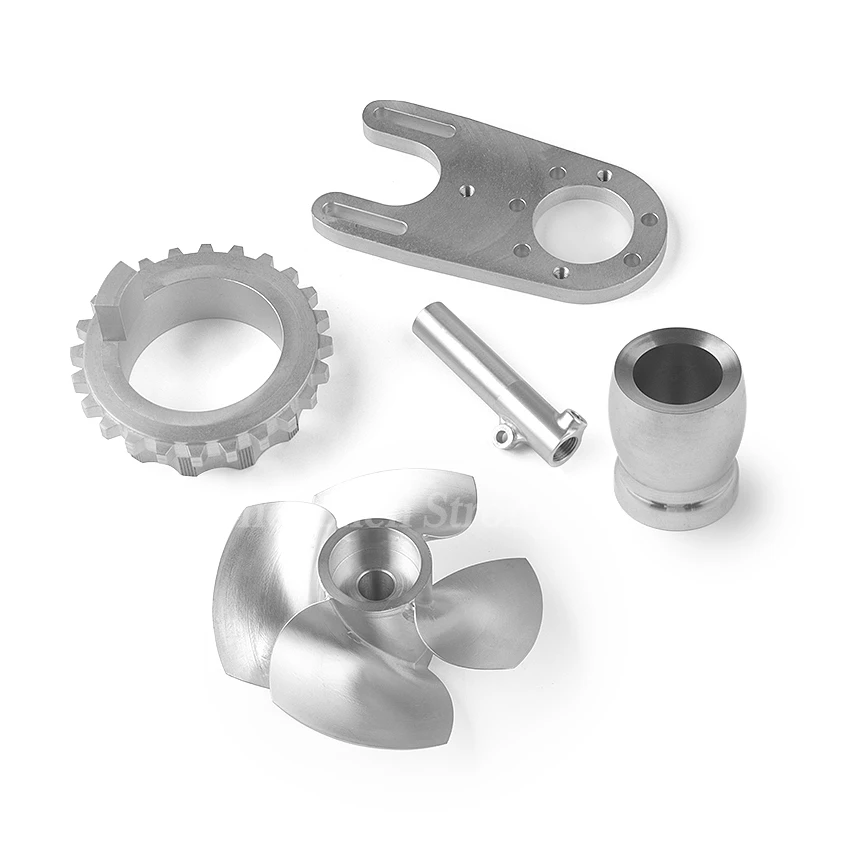
- CNC Machining: CNC (computer numerical control) machining is a widely used manufacturing process in watchmaking that involves using a computer-controlled machine to remove material from a workpiece. CNC machining can be used to create a variety of watch parts, including watch cases, bezels, dials, and other components. CNC machining offers several advantages over traditional machining methods, including high precision, repeatability, and efficiency. CNC Milling Aluminum and CNC Machining Metal Parts are two common applications of CNC machining in watch part manufacturing.
- EDM (Electrical Discharge Machining): EDM is a manufacturing process that involves using an electrical discharge to remove material from a workpiece. EDM can be used to create complex shapes and features that are difficult or impossible to achieve using traditional machining methods. EDM is commonly used in watchmaking to create watch parts such as watch movements, gears, and other components.
- Laser Cutting: Laser cutting is a manufacturing process that involves using a high-powered laser to cut through a workpiece. Laser cutting can be used to create a variety of watch parts, including watch cases, bezels, dials, and other components. Laser cutting offers several advantages over traditional cutting methods, including high precision, speed, and flexibility. CNC Prototype Parts can also be produced using laser cutting technology.
Quality Control
Quality control is an essential part of watch part manufacturing, as it ensures that the final product meets the highest standards of quality and performance. In this section, we will explore the key quality control measures used in watch part manufacturing, including inspection, testing, and certification.
- Inspection: Inspection is a process of examining a watch part to ensure that it meets the specified requirements and standards. Inspection can be done visually or using a variety of measuring tools and equipment, such as calipers, micrometers, and coordinate measuring machines (CMMs).
- Testing: Testing is a process of evaluating the performance and functionality of a watch part under various conditions. Testing can be done using a variety of methods and equipment, such as vibration testing, shock testing, and temperature testing.
- Certification: Certification is a process of verifying that a watch part meets the specified requirements and standards. Certification can be done by a third-party organization or by the manufacturer itself. Certification is often required for watch parts that are used in high-performance or critical applications.
Conclusion
Precision machining of watch parts is a highly specialized and demanding field that requires a combination of advanced technology, skilled craftsmanship, and strict quality control. As a precision machining supplier, we understand the unique requirements and challenges involved in producing high-quality watch components. By carefully selecting the appropriate materials, maintaining tight tolerances, achieving a high-quality surface finish, using advanced production processes, and implementing strict quality control measures, we are able to produce watch parts that meet the highest standards of quality and performance.
If you are in the market for high-quality watch parts, we invite you to contact us to discuss your specific requirements. Our team of experienced engineers and technicians will work closely with you to develop a customized solution that meets your needs and exceeds your expectations. We look forward to the opportunity to work with you and to help you achieve your goals in the watchmaking industry.
References
- Smith, J. (2018). Precision Machining for the Watch Industry. Journal of Precision Engineering, 45(2), 123-135.
- Johnson, A. (2019). Materials Selection for Watch Parts. Watchmaking Technology Review, 32(3), 45-56.
- Brown, C. (2020). Quality Control in Watch Part Manufacturing. International Journal of Quality Assurance, 25(4), 345-358.