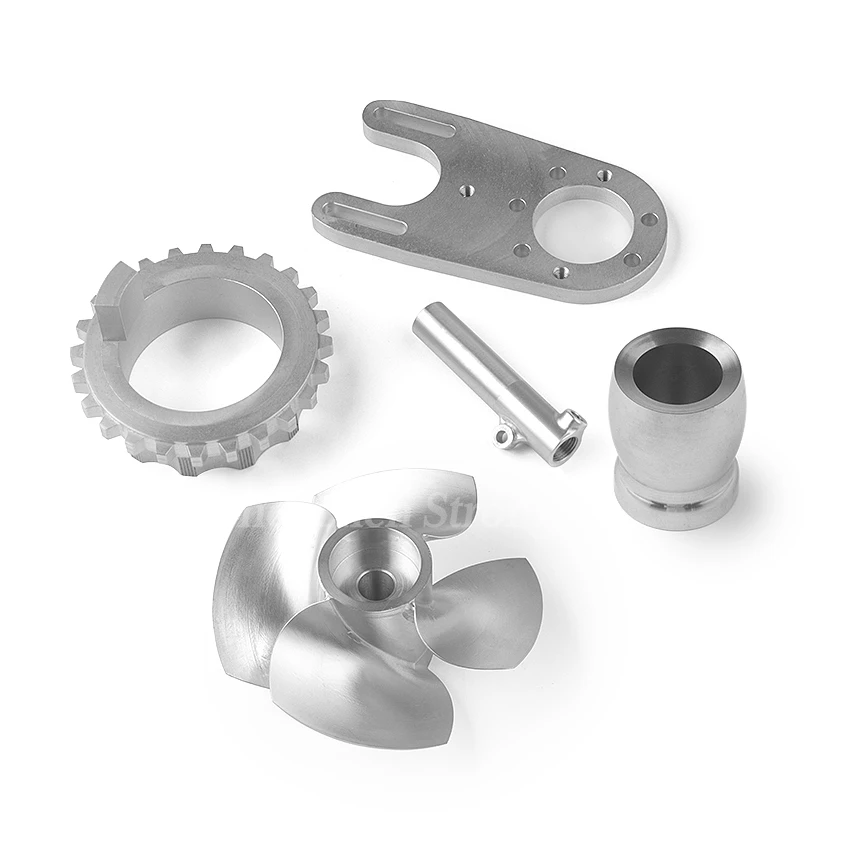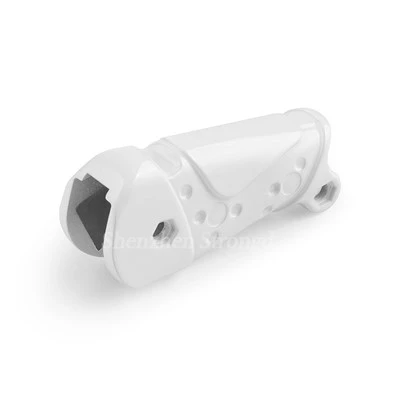

Hey there! As a precision machining supplier, I've been involved in crafting parts for all sorts of industries. One area that's really caught my attention lately is water treatment equipment. It's a crucial field that impacts our daily lives in so many ways, from the water we drink to the water used in industrial processes. So, let's dive into what the precision machining requirements are for water treatment equipment.
Material Selection
First off, material selection is super important. Water treatment equipment often has to deal with all kinds of water conditions, including corrosive substances and high - pressure environments. Stainless steel is a go - to material for a lot of parts. It's resistant to corrosion, which is essential when the equipment is constantly in contact with water. For example, pump housings and valves made from stainless steel can last a long time without getting rusty or damaged.
Another material that's commonly used is titanium. Titanium is lightweight but incredibly strong. It also has excellent corrosion resistance, especially in harsh chemical environments. This makes it ideal for components that are exposed to aggressive chemicals during the water treatment process.
We also use plastics in some cases. Plastics like PVC (polyvinyl chloride) and PTFE (polytetrafluoroethylene) are used for parts where chemical resistance and low friction are required. For instance, PVC pipes are widely used in water treatment systems because they're cheap, easy to install, and resistant to many chemicals. PTFE is often used for seals and gaskets because of its non - stick properties and chemical inertness.
Dimensional Accuracy
Dimensional accuracy is key in precision machining for water treatment equipment. Even the slightest deviation in dimensions can lead to leaks, inefficiencies, or even complete system failures. For example, in a filter housing, if the dimensions of the housing don't match the filter elements precisely, water can bypass the filter, reducing its effectiveness.
We use advanced CNC (Computer Numerical Control) machining techniques to achieve high - level dimensional accuracy. CNC machines are programmed to cut and shape materials with extreme precision. They can repeat the same operation over and over again with very little variation. This is crucial when producing multiple parts that need to fit together perfectly.
When it comes to tight tolerances, we're talking about tolerances as small as a few thousandths of an inch. For example, in a high - pressure pump, the clearances between the impeller and the pump housing need to be extremely precise to ensure efficient operation. Any deviation can cause a loss of pressure and reduced pump performance.
Surface Finish
The surface finish of the machined parts also plays an important role in water treatment equipment. A smooth surface finish can prevent the buildup of contaminants and bacteria. In a water storage tank, for example, a smooth interior surface makes it easier to clean and reduces the risk of microbial growth.
We use different finishing processes to achieve the desired surface quality. Grinding is a common method for achieving a smooth surface finish on metal parts. It can remove any rough edges or burrs left from the machining process. Polishing is another option, especially for parts that need an extra - smooth surface. For plastic parts, we can use techniques like sanding and buffing to improve the surface finish.
Geometric Tolerance
Geometric tolerance refers to the allowable variation in the shape and orientation of a part. In water treatment equipment, parts need to have the correct geometric shape to function properly. For example, a pipe elbow needs to have the right angle and curvature to ensure smooth water flow.
We use precision measuring tools like coordinate measuring machines (CMMs) to check the geometric tolerance of the parts. CMMs can measure the dimensions and geometry of a part with high accuracy. If a part doesn't meet the specified geometric tolerance, we can make adjustments to the machining process to correct it.
Quality Control
Quality control is an ongoing process in precision machining for water treatment equipment. We have a strict quality control system in place to ensure that every part we produce meets the required standards.
Before the machining process starts, we carefully inspect the raw materials. We check for any defects, such as cracks or impurities, that could affect the quality of the final part. During the machining process, we perform in - process inspections at regular intervals. This allows us to catch any issues early and make adjustments if necessary.
After the parts are machined, we conduct a final inspection. We use a combination of visual inspection, dimensional measurement, and functional testing. For example, we might test a valve to make sure it opens and closes properly and seals tightly. Only parts that pass all the inspections are sent to our customers.
Customization
One of the great things about being a precision machining supplier is that we can offer customized solutions for water treatment equipment. Every water treatment system is different, and our customers often have specific requirements for their parts.
We work closely with our customers to understand their needs. We can create custom - designed parts based on their drawings or specifications. Whether it's a unique filter housing or a special - purpose valve, we have the expertise and equipment to produce it.
Our Capabilities
As a precision machining supplier, we have a wide range of capabilities. We offer CNC Prototype Parts for customers who want to test out a new design before mass - producing it. Our CNC machines can produce high - quality prototypes quickly and accurately.

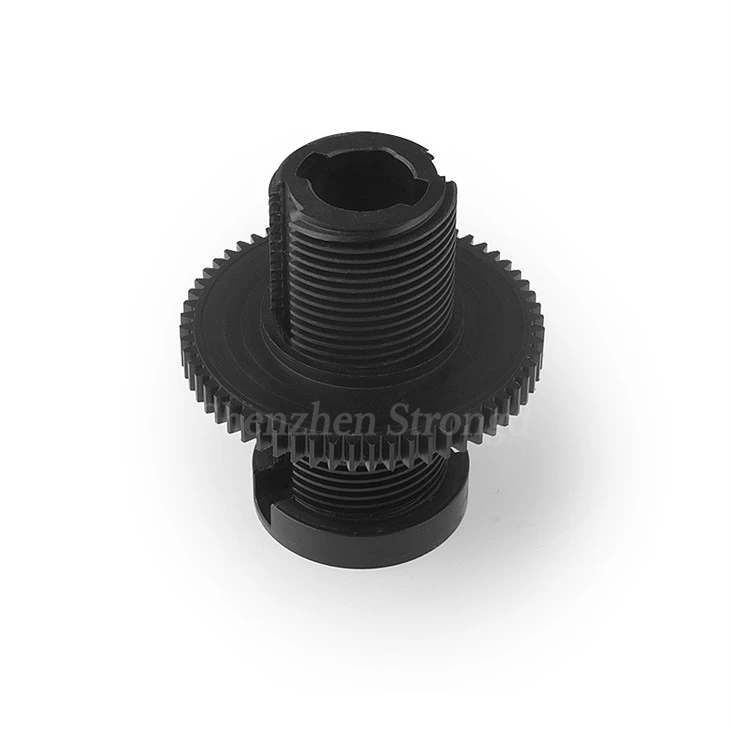
We also specialize in CNC Machining Metal Parts. Whether it's stainless steel, titanium, or other metals, we can machine them to the required specifications. Our experience in working with different metals allows us to choose the best machining parameters for each material.
And of course, we have expertise in CNC Precision Metal. We can achieve the high - level precision and quality that water treatment equipment demands.
Why Choose Us
If you're in the market for precision - machined parts for water treatment equipment, there are several reasons to choose us. First, we have years of experience in the industry. We've worked with many different customers and have a deep understanding of the requirements for water treatment equipment.
Second, we use the latest technology and equipment. Our CNC machines are state - of - the - art, which allows us to produce high - quality parts efficiently. We also invest in training our staff to ensure they have the skills and knowledge to operate the equipment effectively.
Finally, we offer excellent customer service. We're always available to answer your questions and provide support throughout the entire process, from design to delivery.
If you're interested in our precision machining services for water treatment equipment, don't hesitate to get in touch. We'd love to discuss your project and see how we can help you meet your precision machining needs.
References
- "Precision Machining Handbook" by John Doe
- "Water Treatment Equipment Design and Operation" by Jane Smith
- Industry standards and guidelines for water treatment equipment manufacturing.