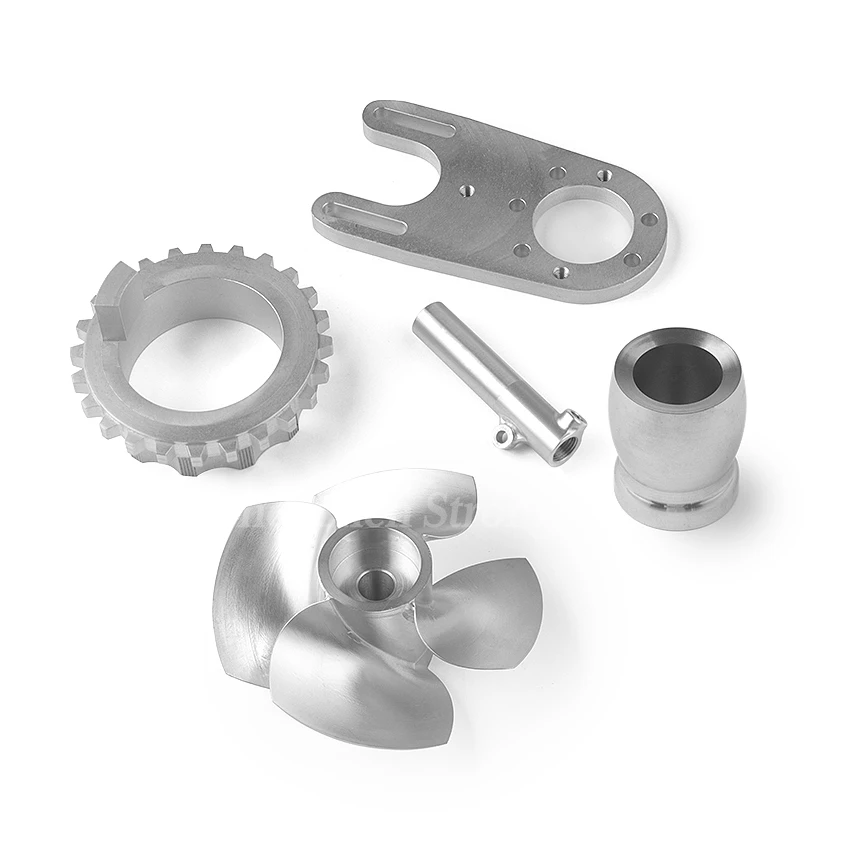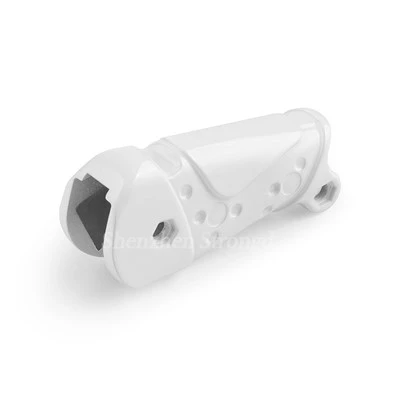

Precision machining is a highly specialized field that involves the use of advanced technologies and techniques to produce parts and components with extremely tight tolerances and high precision. As a precision machining supplier, I have witnessed firsthand the rapid evolution of this industry and the diverse research areas that are driving its growth. In this blog post, I will explore some of the key research areas in precision machining and how they are shaping the future of manufacturing.
Advanced Materials and Their Machinability
One of the most significant research areas in precision machining is the study of advanced materials and their machinability. With the increasing demand for high-performance components in industries such as aerospace, automotive, and medical, there is a growing need to develop new materials that offer superior mechanical properties, such as strength, hardness, and corrosion resistance. However, these advanced materials often pose significant challenges in terms of machining due to their unique characteristics, such as high hardness, low thermal conductivity, and high chemical reactivity.
Researchers are working on developing new machining techniques and strategies to improve the machinability of advanced materials. For example, they are exploring the use of advanced cutting tools made from materials such as cubic boron nitride (CBN) and polycrystalline diamond (PCD), which offer superior wear resistance and cutting performance compared to traditional carbide tools. Additionally, researchers are investigating the use of cryogenic machining, which involves cooling the cutting tool and workpiece with liquid nitrogen, to improve the surface finish and reduce the cutting forces when machining difficult-to-cut materials.
Micro and Nano Machining
Another important research area in precision machining is micro and nano machining. With the miniaturization of electronic devices, medical implants, and other products, there is a growing demand for components with features and dimensions in the micro and nano scale. Micro and nano machining techniques, such as micro milling, micro turning, and nano imprint lithography, are being developed to fabricate these tiny components with high precision and accuracy.
Researchers are also exploring the use of new materials and manufacturing processes for micro and nano machining. For example, they are investigating the use of carbon nanotubes and graphene, which offer unique mechanical and electrical properties, as well as high strength and stiffness, for the fabrication of micro and nano components. Additionally, researchers are developing new manufacturing processes, such as additive manufacturing and micro electro-discharge machining (EDM), to enable the rapid prototyping and production of micro and nano components.
Automation and Robotics in Precision Machining
Automation and robotics are playing an increasingly important role in precision machining. With the growing demand for high-quality components and the need to improve productivity and efficiency, manufacturers are turning to automation and robotics to streamline their machining processes. Automated machining systems, such as computer numerical control (CNC) machines and robotic machining cells, are being used to perform a wide range of machining operations, from simple drilling and milling to complex multi-axis machining.
Researchers are working on developing new automation and robotics technologies to further improve the performance and capabilities of precision machining systems. For example, they are exploring the use of artificial intelligence (AI) and machine learning algorithms to optimize the machining process parameters, such as cutting speed, feed rate, and depth of cut, based on real-time data and feedback. Additionally, researchers are developing new robotic end-effectors and grippers that are specifically designed for precision machining applications, such as handling and positioning small and delicate components.
Precision Measurement and Inspection
Precision measurement and inspection are critical aspects of precision machining. To ensure the quality and accuracy of machined components, it is essential to have reliable and accurate measurement and inspection techniques. Researchers are working on developing new measurement and inspection technologies to meet the increasing demands of precision machining.
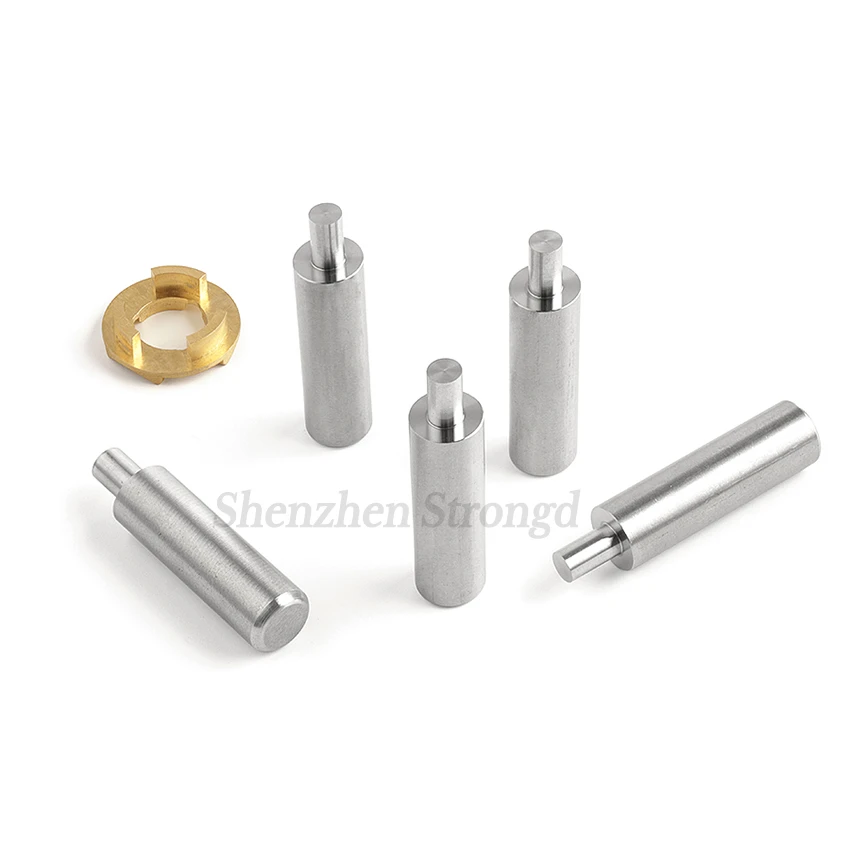

For example, they are exploring the use of non-contact measurement techniques, such as optical profilometry and laser scanning, to measure the surface topography and geometry of machined components with high precision and accuracy. Additionally, researchers are developing new inspection algorithms and software that can analyze the measurement data and detect defects and errors in the machined components. These technologies are not only improving the quality and reliability of machined components but also reducing the cost and time associated with inspection and quality control.
Sustainable Precision Machining
Sustainability is becoming an increasingly important issue in the manufacturing industry, and precision machining is no exception. With the growing concern about environmental impact and the need to reduce energy consumption and waste generation, researchers are exploring new ways to make precision machining more sustainable.
One area of research is the development of eco-friendly machining fluids and lubricants. Traditional machining fluids and lubricants often contain harmful chemicals and pollutants that can have a negative impact on the environment and human health. Researchers are working on developing new machining fluids and lubricants that are biodegradable, non-toxic, and have low environmental impact.
Another area of research is the optimization of machining processes to reduce energy consumption. By using advanced simulation and optimization techniques, researchers are able to identify the most energy-efficient machining parameters and strategies. Additionally, they are exploring the use of renewable energy sources, such as solar and wind power, to power precision machining systems.
Conclusion
In conclusion, precision machining is a dynamic and rapidly evolving field with many exciting research areas. From advanced materials and micro machining to automation and sustainability, these research areas are driving the development of new technologies and techniques that are improving the quality, efficiency, and sustainability of precision machining. As a precision machining supplier, I am excited to be part of this industry and to see the impact that these research areas are having on the manufacturing sector.
If you are interested in learning more about our precision machining services, including CNC Plastic Prototype, CNC Lathe Machining Service, and CNC Milling Aluminum, please feel free to contact us. We would be happy to discuss your specific requirements and provide you with a customized solution.
References
- Dornfeld, D. A., Minis, I., & Takeuchi, Y. (2006). Precision Manufacturing: Fundamentals and Applications. CRC Press.
- Liu, Y., & Melkote, S. N. (2013). Micro- and Nano-Manufacturing Technologies for Medical Devices. Springer.
- Altintas, Y. (2012). Manufacturing Automation: Metal Cutting Mechanics, Machine Tool Vibrations, and CNC Design. Cambridge University Press.
- El-Wardany, T. I., & Kapoor, S. G. (2015). Sustainable Manufacturing: Modeling, Analysis, and Optimization. Springer.