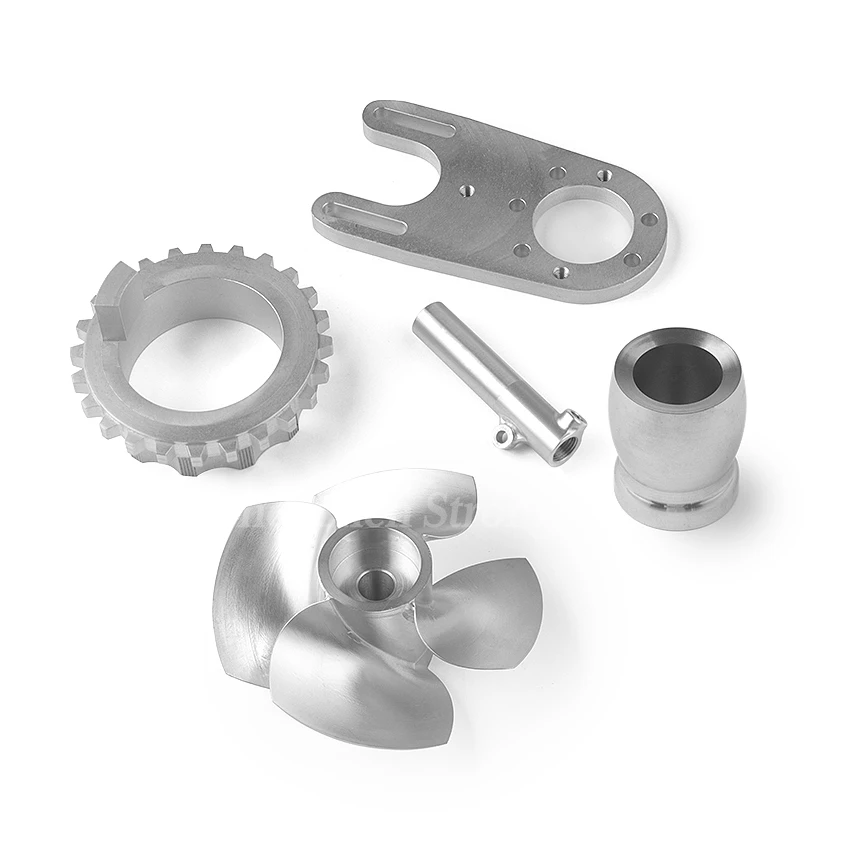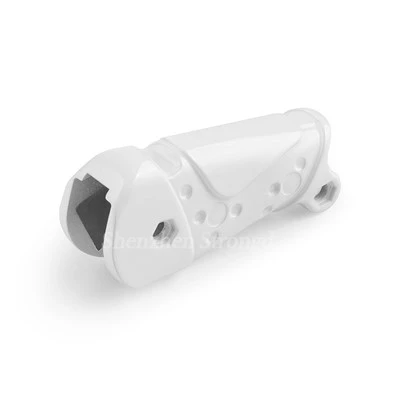

Hey there! As a supplier of Metal Robot Body Parts, I often get asked about the water - resistance properties of these parts. It's a super important topic, especially considering the diverse environments where robots operate.
Let's start by understanding why water resistance matters. Robots are used in all sorts of settings, from industrial factories that might have occasional water spills to outdoor exploration where they could face rain or even submersion in water. If the metal parts of a robot aren't water - resistant, they're at risk of rusting, corroding, and eventually failing. This not only shortens the lifespan of the robot but can also lead to costly repairs and downtime.
Now, let's talk about the common metals used in robot body parts and their water - resistance.
Aluminum
Aluminum is a popular choice for robot parts, like the Aluminium Robot Chassis. It has some natural water - resistance. When exposed to air, aluminum forms a thin oxide layer on its surface. This layer acts as a protective barrier, preventing further oxidation and corrosion. It's like a shield that keeps the metal safe from water and other environmental factors.
However, this natural oxide layer isn't invincible. In highly acidic or alkaline environments, or when exposed to certain chemicals, the layer can break down. And if the aluminum part gets scratched, the protective layer is damaged, and the underlying metal becomes vulnerable to corrosion. To enhance its water - resistance, we often use additional surface treatments. Anodizing is a common method. It thickens the oxide layer, making it more durable and better at protecting the aluminum from water.
Stainless Steel
Stainless steel is another go - to metal for robot body parts. It contains chromium, which forms a passive film on the surface when exposed to oxygen. This film is extremely effective at preventing water from reaching the metal and causing corrosion. Stainless steel can withstand a wide range of environmental conditions, including exposure to water, without significant damage.
There are different grades of stainless steel, and some are more water - resistant than others. For example, 316 stainless steel, which contains molybdenum, has better resistance to pitting and crevice corrosion in chloride - rich environments, like near the ocean or in industrial settings with saltwater exposure. But even stainless steel isn't completely immune. In very harsh conditions, such as in concentrated acid solutions or in the presence of certain bacteria, it can still corrode.
Surface Coatings
Apart from the inherent properties of the metals, we can also use surface coatings to improve the water - resistance of robot body parts. There are various types of coatings available.
One common type is powder coating. It's a dry finishing process where a powder is electrostatically applied to the metal part and then cured in an oven. The powder melts and forms a hard, durable coating that provides excellent water - resistance. It also comes in a variety of colors, so you can customize the appearance of your robot parts.

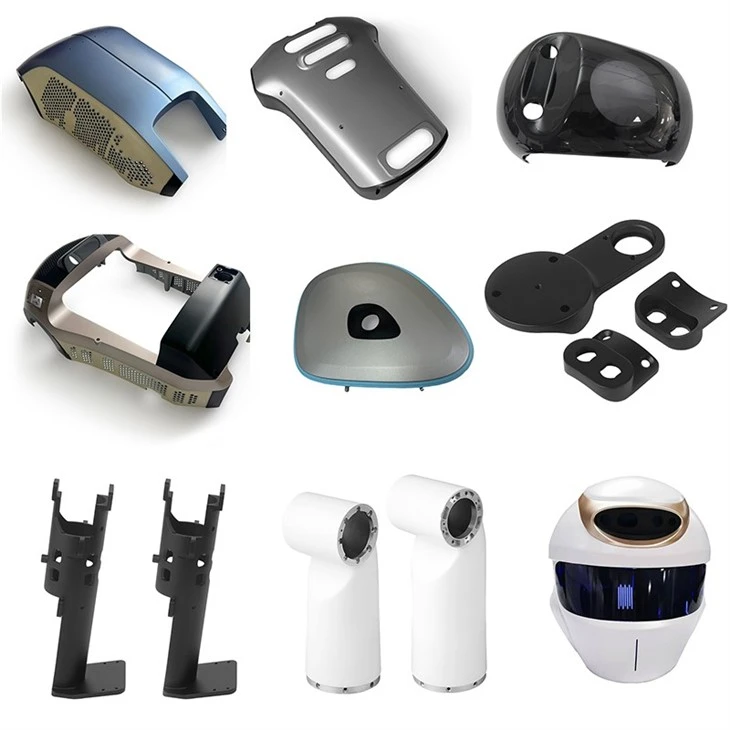
Another option is epoxy coatings. Epoxy is a strong, adhesive material that forms a tough, waterproof layer on the metal surface. It's often used in applications where the parts will be exposed to water for long periods or in harsh chemical environments.
Testing Water - Resistance
As a supplier, we take water - resistance seriously. We conduct a series of tests to ensure that our Metal Robot Body Parts meet the required standards. One common test is the salt spray test. In this test, the parts are placed in a chamber where they're exposed to a fine mist of saltwater. The length of the test can vary depending on the application, but it typically lasts for several hours or even days. After the test, we examine the parts for signs of corrosion, such as rust spots or pitting.
We also perform immersion tests, where the parts are submerged in water for a set period. This helps us evaluate how well the parts hold up under continuous water exposure. By conducting these tests, we can identify any potential issues and make improvements to our manufacturing processes or surface treatments.
Impact on Robot Performance
The water - resistance of metal robot body parts has a direct impact on the overall performance of the robot. If the parts start to corrode due to water exposure, it can affect the mechanical properties of the robot. For example, rusted joints can become stiff and difficult to move, which reduces the robot's range of motion and precision. Corroded chassis can also weaken, making the robot less stable and more prone to damage.
In addition, water - damaged parts can lead to electrical problems. If water seeps into the electrical components through corroded metal parts, it can cause short circuits and other malfunctions. This can disrupt the robot's operation and even lead to system failures.
Applications and Considerations
Different applications require different levels of water - resistance. For indoor robots used in clean, dry environments, the basic water - resistance provided by the metal and a simple surface treatment might be sufficient. But for robots used in outdoor or wet environments, like underwater exploration robots or robots used in food processing plants where there's a lot of water cleaning, we need to use more advanced materials and treatments.
For example, humanoid robots used in outdoor shows or events might need to withstand rain. In this case, we'd recommend using high - quality stainless steel parts with a protective coating, like the Humanoid Robot Joint Parts. These parts need to be able to move smoothly even after being exposed to water, so their water - resistance is crucial for maintaining the robot's performance.
Future Developments
The field of water - resistant Metal Robot Body Parts is constantly evolving. Researchers are working on developing new materials and surface treatments that offer even better water - resistance. For example, there's a lot of interest in nanocoatings. These coatings are incredibly thin but can provide excellent protection against water and other environmental factors. They work by creating a hydrophobic surface that repels water, preventing it from sticking to the metal.
Another area of development is self - healing materials. These materials have the ability to repair themselves when damaged. If a water - resistant coating gets scratched, the self - healing material can fill in the scratch and restore the protective layer, ensuring continuous water - resistance.
Why Choose Our Metal Robot Body Parts
As a supplier, we have a team of experts who are dedicated to providing high - quality, water - resistant Metal Robot Body Parts. We use the latest manufacturing techniques and materials to ensure that our parts meet the highest standards. Our parts are not only water - resistant but also durable and reliable, which means you can trust them to perform well in a variety of environments.
If you're in the market for Metal Robot Body Parts and are concerned about water - resistance, we'd love to talk to you. Whether you're working on a small research project or a large - scale industrial application, we can provide the right parts for your needs. We can also offer advice on the best materials and treatments based on your specific requirements.
In conclusion, the water - resistance of Metal Robot Body Parts is a crucial factor that affects the performance and lifespan of robots. By understanding the properties of different metals, using appropriate surface treatments, and conducting thorough testing, we can ensure that our parts are well - equipped to handle water exposure. If you have any questions or are interested in purchasing our Metal Robot Body Parts, don't hesitate to reach out. We're here to help you find the perfect solution for your robot.
References
- ASM Handbook Committee. (2004). ASM Handbook Volume 13A: Corrosion: Fundamentals, Testing, and Protection. ASM International.
- Schweitzer, P. A. (2019). Corrosion Resistance Tables. McGraw - Hill Education.